


Your vehicle’s brake system is one of its most critical safety components. Properly maintained brakes not only ensure your safety on the road but also enhance the overall performance and longevity of your vehicle. From understanding common brake issues to adopting preventative measures, following proven brake system maintenance tips is a crucial responsibility every driver should prioritize to ensure safety, reliability, and optimal vehicle performance.
This guide provides in-depth insights into brake system maintenance, common problems, and actionable tips to keep your braking system in peak condition.
Why Brake System Maintenance Matters
Your brakes are responsible for stopping your vehicle efficiently, and any compromise in their performance can have serious consequences. Neglecting brake maintenance can lead to worn-out components, reduced stopping power, and even accidents. Regular upkeep ensures that your brake system remains reliable and extends the lifespan of vital components like pads, rotors, and calipers.
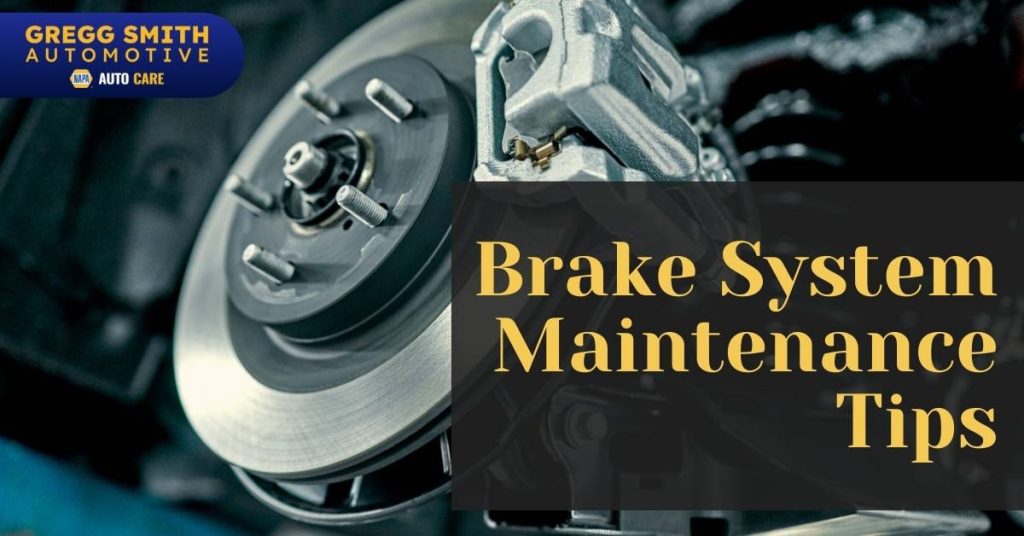
Braking systems consist of interconnected components, including the brake pads, rotors, calipers, lines, and fluid. Proper maintenance ensures these parts work harmoniously to provide consistent and safe braking performance.
Common Signs of Brake Problems
Recognizing early signs of brake issues is crucial to prevent further damage; learn more about common car problems, and how to address them with Common Car Engine Issues If you hear squeaking or squealing noises, it often indicates worn brake pads. Grinding sounds may suggest that the pads have worn down completely, causing the metal backing to contact the rotors.
Reduced braking performance, such as increased stopping distance or a spongy brake pedal, signals underlying problems with the hydraulic system or brake fluid. Vibrations or pulsations when applying the brakes could indicate warped rotors. Additionally, dashboard warning lights related to the braking system should never be ignored, as they often signal critical issues requiring immediate attention.
Essential Brake Maintenance Tips
Regularly inspecting your brake pads is a fundamental maintenance task. Brake pads typically need replacement every 20,000 to 50,000 miles, depending on your driving habits and vehicle type. Frequent city driving with heavy braking wears out pads faster than highway driving.
Monitor your brake fluid levels and quality. Brake fluid absorbs moisture over time, which reduces its efficiency and can lead to corrosion within the system. A brake fluid flush every two to three years ensures optimal hydraulic performance.
Keep your rotors in good condition by having them resurfaced or replaced when they show signs of warping or uneven wear. This prevents vibrations and ensures smooth braking.
Inspect your brake lines for leaks or damage. Any issues with the lines can compromise hydraulic pressure, leading to reduced braking efficiency. Replace damaged lines immediately to prevent failure.
Test your emergency brake periodically to ensure it functions correctly. A well-maintained emergency brake is vital for parking on slopes or as a backup in case of hydraulic system failure.
How to Extend the Life of Your Brake System
Driving habits play a significant role in brake longevity. Avoid hard braking whenever possible, as it places excessive strain on the pads and rotors. Instead, practice gradual deceleration and maintain a safe following distance to reduce sudden stops.
Downshifting in manual vehicles or using engine braking in automatic vehicles can reduce the load on your brakes, particularly when descending steep hills.
Keep your vehicle’s weight in mind. Carrying excessive loads increases the strain on your braking system, leading to faster wear and tear.
Regular tire maintenance also affects brake performance. Properly inflated and aligned tires distribute braking forces evenly, preventing unnecessary stress on the brake system.
Benefits of Professional Brake Inspections
While DIY maintenance is beneficial, professional inspections provide a deeper level of analysis. Certified technicians use specialized tools to identify issues that may not be visible during a basic inspection. They can detect uneven wear, test hydraulic pressure, and ensure the anti-lock braking system (ABS) is functioning correctly.
Professional inspections also include advanced diagnostics, such as checking for electronic issues in modern brake systems and assessing whether the rotors and calipers require repair or replacement. Regular professional check-ups complement your maintenance routine, ensuring the highest level of safety and performance.
Real-Life Examples of Effective Brake Maintenance
A delivery driver noticed squealing noises during stops. Upon inspection, it was found that the brake pads were worn, and the rotors had minor grooves. Replacing the pads and resurfacing the rotors restored optimal braking performance, preventing further damage to the system.
In another case, a family SUV experienced spongy braking after prolonged use in a humid climate. A brake fluid flush resolved the issue, improving hydraulic pressure and braking responsiveness. Regular maintenance helped the vehicle avoid costly repairs.
FAQs About Brake System Maintenance
How often should I have my brakes inspected?
Brake inspections should be performed at least once a year or every 12,000 miles, whichever comes first. Regular checks help identify potential issues early.
What causes brake fluid to degrade?
Brake fluid absorbs moisture over time, reducing its boiling point and efficiency. This can lead to corrosion in the system and compromised braking performance.
Can I drive with worn brake pads?
Driving with worn pads risks damaging the rotors and calipers, leading to more expensive repairs. Replace brake pads as soon as you notice signs of wear.
What’s the difference between rotor resurfacing and replacement?
Resurfacing smooths out minor grooves or uneven wear on rotors, while replacement is necessary for rotors that are too thin or heavily damaged.
Why does my vehicle pull to one side when braking?
Pulling to one side is often caused by uneven brake pad wear, a sticking caliper, or uneven tire pressure. Have your braking system inspected immediately.
Prioritize Your Brake System Maintenance! Maintaining your brake system is essential for your safety and the overall health of your vehicle. By recognizing early signs of problems, adopting preventative measures, and scheduling regular professional inspections, you can ensure reliable and efficient braking performance. Proper care not only enhances safety but also reduces long-term repair costs, making it a worthwhile investment.
Take the time to inspect and maintain your brakes, and don’t hesitate to seek professional help when needed. Explore our related articles or subscribe to our newsletter for more expert advice on vehicle maintenance and safety.