

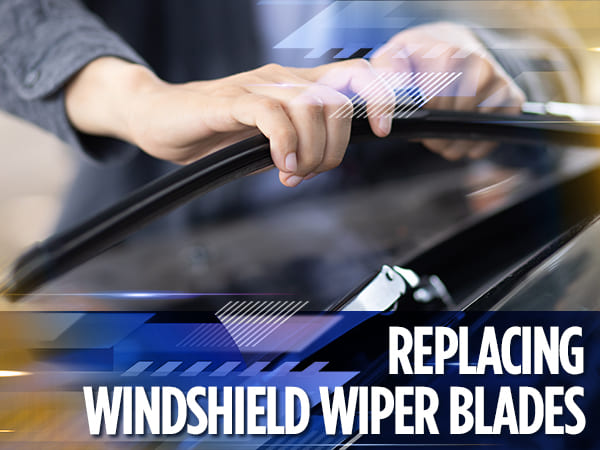
Windshield wiper blades are an essential safety feature that often goes unnoticed until they start to fail. Whether you’re driving through heavy rain, snow, or dust, well-functioning wipers ensure a clear view of the road. Over time, wiper blades wear out due to exposure to sunlight, temperature fluctuations, and debris. Replacing them is a simple task that can make a significant difference in your driving safety and comfort. This guide will walk you through the process on how to replace the wiper blades of your windshield, highlighting when and how to do it effectively.
Why Replacing Wiper Blades is Crucial
Worn-out wiper blades can leave streaks, reduce visibility, and even damage your windshield. When blades fail to clear water or debris effectively, they compromise your ability to see clearly, especially during adverse weather conditions. Delaying replacement can lead to scratched glass, which is costly to repair. Regularly replacing your windshield wiper blades not only enhances your safety but also prolongs the lifespan of your windshield by preventing unnecessary wear.
Signs That Your Wiper Blades Need Replacement
Windshield wipers are essential for clear visibility, especially in inclement weather. Recognizing the signs that your wiper blades need replacement can help maintain safe driving conditions:
- Squeaking or chattering sounds: If the blades make a squeaky noise or chatter during operation, it’s a sign the rubber is losing its flexibility.
- Streaks or smears on the windshield: This indicates the rubber is not making proper contact with the glass, often due to wear or damage.
- Visible cracks or tears: Damaged rubber edges from exposure to UV rays or extreme weather conditions are a clear sign that the blades need replacing.
- Reduced performance in heavy rain or snow: If your wipers can’t clear rain or snow effectively, their rubber has likely worn out or hardened.
- Uneven wiping: If parts of your windshield remain untouched or have inconsistent coverage, it means the blades are no longer making full contact.
- Frequent skipping: If the blades skip over sections of the windshield, they need to be replaced to maintain visibility.
Choosing the Right Wiper Blades for Your Vehicle
Selecting the right wiper blades is crucial for ensuring your windshield stays clear in all driving conditions. Here’s what you need to consider:
- Vehicle make and model: Wiper blade sizes vary by car. Consult your vehicle’s owner manual or an online tool to find the correct size and fit for your car.
- Climate considerations: If you live in an area with extreme weather, such as heavy snow or rain, you’ll need blades that can withstand those conditions.
- Traditional frame-style blades: Great for most vehicles, providing reliable performance in moderate weather.
- Beam blades: These blades are designed for better performance in extreme conditions due to their aerodynamic design.
- Hybrid blades: A combination of frame and beam styles, offering durability and effective cleaning for a variety of weather conditions.
- Personal preference: Consider features like noise reduction, durability, or specific blade types (e.g., silicone blades) for better performance.
Step-by-Step Guide to Replacing Windshield Wiper Blades
Replacing your wiper blades is a simple process that ensures clear visibility. Here’s how you can do it yourself:
- Lift the wiper arms: Gently lift the wiper arms away from the windshield to make it easier to remove the blades.
- Locate the release tab: Most wiper blades have a small tab or release mechanism that holds them in place on the wiper arm.
- Remove the old blades: Press the release tab and slide the old blade off the arm. Be gentle to avoid damaging the arm.
- Align the new blade: Align the new blade with the hook or attachment point on the wiper arm. Ensure it clicks securely into place.
- Lower the wiper arm: Once the new blade is in place, carefully lower the arm back onto the windshield.
- Test the wipers: Activate the wipers to ensure that they work smoothly and efficiently without any skipping or chattering.
Maintaining Your Wiper Blades for Longevity
Regular maintenance of your wiper blades can extend their lifespan and ensure they perform well. Here’s how to keep them in top condition:
- Clean the blades regularly: Use a damp cloth to wipe away dirt, debris, and grime from the blades to prevent wear and damage.
- Avoid using wipers on a dry windshield: Operating wipers without any moisture can cause excessive wear to the rubber and may damage the windshield.
- Lift the wiper arms in winter: In cold weather, lift the wiper arms off the windshield when parked to prevent them from freezing to the glass.
- Use antifreeze washer fluid: During winter, use washer fluid with antifreeze properties to prevent the wipers from freezing and reduce strain on the blades.
- Inspect periodically: Regularly check the blades for any signs of wear, cracks, or reduced performance and replace them as needed.
Professional Assistance vs. DIY Replacement
While replacing wiper blades is typically a DIY task, some drivers may prefer professional assistance. Auto shops and service centers can replace your blades quickly, ensuring proper fit and alignment. If you’re unsure about the size or type of blades your vehicle requires, a professional can provide expert advice. However, with the right guidance and a little practice, most vehicle owners can handle this task on their own, saving time and money.
Benefits of Replacing Wiper Blades on Time
Timely replacement of windshield wiper blades offers several benefits. Clear visibility during adverse weather conditions enhances driving safety for you and others on the road. New blades also prevent damage to your windshield, saving you from costly repairs or replacements. Maintaining your wipers ensures your vehicle is always road-ready, regardless of the weather. Additionally, fresh wiper blades reduce the noise and streaking associated with worn-out blades, improving your overall driving experience.
Replacing windshield wiper blades is a simple yet essential task that every driver should prioritize. Recognizing the signs of wear, choosing the right blades, and maintaining them properly ensures clear visibility and enhances road safety. Whether you opt for a DIY replacement or professional assistance, timely action prevents potential hazards and costly repairs. Make it a habit to inspect your wipers regularly and replace them as needed to keep your windshield clear and your journeys safe.
Stay informed about car maintenance essentials, including how to fix car dents. Subscribe to our newsletter for expert tips, detailed guides, and the latest updates.
FAQs
What is the recommended frequency for replacing windshield wiper blades? It is generally advised by experts to replace windshield wiper blades every six to twelve months, depending on factors like usage and weather conditions. Regular inspections ensure optimal performance.
Can I use any wiper blades for my car? No, it’s essential to select wiper blades that match your vehicle’s specifications. Check your owner’s manual or consult an auto parts expert to find the correct size and type.
What are the signs of worn-out wiper blades? Common signs include streaking, chattering sounds, reduced wiping efficiency, and visible cracks or tears in the rubber edge of the blades.
Is it difficult to replace windshield wiper blades myself? Replacing wiper blades is a simple process that most drivers can handle. With proper instructions and minimal tools, you can complete it in minutes.
Why do my new wiper blades still leave streaks? Streaking can occur if the windshield is dirty or if the blades are not properly aligned. Clean both the glass and the blades to resolve the issue.