

Owning and restoring a vintage car is a rewarding experience, but keeping it running smoothly can be a challenge—especially when dealing with an outdated fuel system. Many classic cars were designed to run on leaded fuel with mechanical carburetors and basic fuel pumps, making them inefficient or unreliable in modern driving conditions.
Over time, ethanol-blended fuels, clogged fuel lines, and worn-out components can cause hesitation, rough idling, and even complete fuel delivery failure. Upgrading your vintage fuel system doesn’t mean compromising originality—it means improving efficiency, reducing maintenance headaches, and ensuring your classic car runs better than ever.
This guide will walk you through the best ways to upgrade your vintage fuel system, from modern carburetor replacements to electric fuel pump conversions, with real-world examples and expert insights.
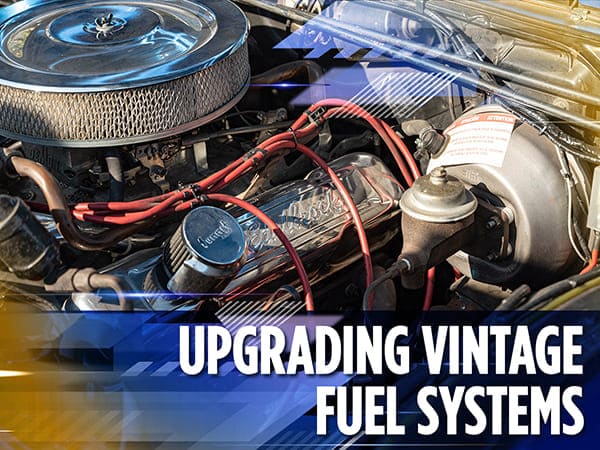
Why Upgrade a Vintage Fuel System?
Vintage fuel systems were designed for a different era of gasoline and engine efficiency. Today’s fuels and driving conditions put extra strain on old components, making upgrades essential for better performance and longevity.
Key Reasons to Upgrade Your Classic Car’s Fuel System
- Ethanol Compatibility: Modern fuels contain ethanol, which can degrade old rubber fuel lines and carburetor seals.
- Better Fuel Delivery: Electric fuel pumps and high-efficiency carburetors improve fuel atomization and prevent vapor lock.
- Reduced Maintenance: Upgraded systems require less frequent adjustments and repairs.
- Improved Performance & Reliability: A well-tuned fuel system ensures smoother acceleration, cleaner combustion, and consistent power output.
How a Vintage Fuel System Works: Understanding the Basics
Before making upgrades, it’s important to understand the components of a traditional vintage fuel system and how they function together.
Key Components of a Vintage Fuel System
- Fuel Tank – Stores gasoline and supplies fuel to the engine.
- Fuel Pump – Draws fuel from the tank and delivers it to the carburetor.
- Carburetor – Mixes fuel and air before entering the combustion chamber.
- Fuel Lines & Filters – Transport fuel and prevent contaminants from entering the carburetor.
Many vintage cars used mechanical fuel pumps, which rely on engine motion to pump fuel. While functional, these pumps can struggle with modern fuel blends, heat soak issues, and inconsistent pressure delivery.
Upgrading Your Vintage Fuel System: Step-by-Step Improvements
1. Replacing Old Fuel Lines and Filters
Over time, vintage fuel lines dry out, crack, or become clogged, especially when exposed to ethanol-based fuels.
- Upgrade to ethanol-resistant fuel hoses (such as Teflon-lined or stainless braided lines).
- Install a high-quality fuel filter to catch debris before it reaches the carburetor.
- Check for rust in the fuel tank—if present, consider a tank restoration or replacement.
2. Installing a High-Performance Carburetor
If your classic car still uses an original carburetor, you may experience poor fuel atomization, hesitation, or flooding. Upgrading to a modern performance carburetor improves throttle response, fuel efficiency, and reliability.
Best carburetor upgrades for classic cars:
- Edelbrock AVS2: Designed for classic American V8s, featuring improved fuel metering.
- Holley 4160: A reliable option with easy tuning and electric choke.
- Weber 32/36: Ideal for vintage European and Japanese classics.
Tuning Tip: A well-adjusted carburetor should provide smooth acceleration, no hesitation, and a steady idle.
3. Converting to an Electric Fuel Pump
Mechanical fuel pumps struggle with modern fuel pressure demands and are prone to vapor lock. Replacing them with an electric fuel pump provides consistent fuel pressure and improved reliability.
Benefits of electric fuel pumps:
- Prevents vapor lock in hot weather conditions.
- Delivers stable fuel pressure for better carburetor performance.
- Reduces strain on the engine, allowing smoother operation.
When installing an electric fuel pump:
- Use a fuel pressure regulator to prevent over-fueling the carburetor.
- Mount the pump near the fuel tank for optimal performance.
- Wire it correctly with a safety shutoff switch to prevent fuel leaks in case of an accident.
Case Study: Upgrading the Fuel System on a 1969 Camaro
Mike, a classic car enthusiast, was restoring a 1969 Chevrolet Camaro SS but struggled with fuel starvation and rough idling. The car had its original mechanical fuel pump and Rochester Quadrajet carburetor, which weren’t handling modern fuel blends well.
Problem Diagnosis:
- Carburetor flooding issues at idle.
- Fuel pump failure in hot weather due to vapor lock.
- Rust buildup in the fuel lines, leading to clogging.
Upgrades Performed:
- Installed an Edelbrock AVS2 carburetor for improved fuel metering.
- Converted to an electric fuel pump with a regulator to maintain proper pressure.
- Replaced old steel fuel lines with ethanol-resistant braided hoses.
Results:
After these upgrades, the Camaro experienced better throttle response, no more fuel starvation, and consistent performance in all weather conditions. Mike’s experience shows that upgrading a vintage fuel system doesn’t take away from originality—it enhances drivability.
Conclusion
Upgrading a vintage fuel system is one of the best ways to improve reliability, efficiency, and performance in a classic car. Whether you’re swapping out old fuel lines, upgrading to an electric fuel pump, or installing a performance carburetor, these changes can enhance drivability while maintaining originality.
By taking the right steps to modernize your classic car’s fuel system, you’ll enjoy smoother acceleration, better fuel efficiency, and a worry-free driving experience—all while preserving the heart and soul of your vintage ride.
Looking for more classic car restoration tips? Check out our article ‘Maintaining Classic Car Upholstery‘ for expert advice and exclusive guides!
FAQs About Upgrading Vintage Fuel Systems
1. Can I run modern gasoline in my vintage car?
Yes, but be aware that ethanol can degrade older rubber fuel lines and carburetor components. It’s best to use ethanol-free fuel or upgrade to ethanol-resistant materials.
2. Do I need a fuel pressure regulator when switching to an electric fuel pump?
Yes. Most carburetors require 4-6 PSI of fuel pressure, while electric pumps can deliver more. A fuel pressure regulator prevents over-fueling and ensures proper operation.
3. What’s the best carburetor for upgrading a vintage car?
It depends on your car’s engine size and performance needs. For small-block V8s, an Edelbrock or Holley carburetor works well. For smaller European or Japanese engines, a Weber carburetor is a great upgrade.
4. Should I replace my fuel tank if it’s rusted inside?
Yes. Rust particles can clog fuel lines and damage the carburetor. If your fuel tank is rusted, consider replacing it or having it professionally coated.
5. How can I prevent vapor lock in a vintage car?
Switching to an electric fuel pump, insulating fuel lines, and using ethanol-free fuel can significantly reduce the chances of vapor lock.