

For car enthusiasts in Belleview, FL, tackling electrical issues can often seem like an overwhelming task, especially when faced with complex wiring problems. Whether you’re fixing a faulty headlight or troubleshooting a more significant issue, understanding automotive wiring diagrams is crucial. In a region like Belleview, with its humid, subtropical climate, vehicles frequently deal with the effects of corrosion, which can create wiring problems. Having a clear understanding of wiring diagrams will not only save time but can also lead to more efficient and cost-effective repairs.
This comprehensive guide will explain what automotive wiring diagrams are, how to interpret them, and provide practical examples for Belleview residents dealing with wiring issues. You’ll also find case studies, FAQs, and useful tips that are relevant to your car’s electrical system and how to manage it in Florida’s unique climate.
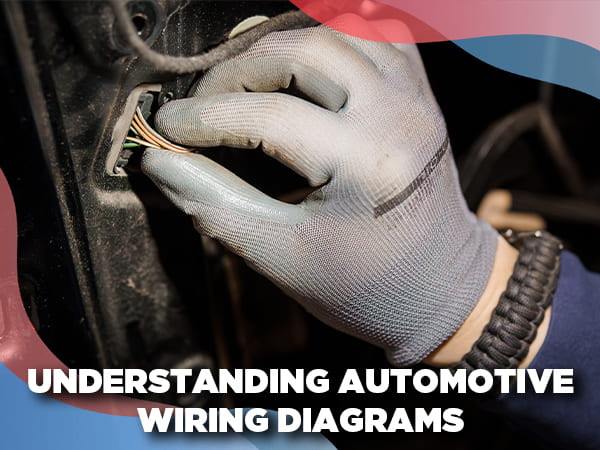
What Are Automotive Wiring Diagrams?
Automotive wiring diagrams are detailed visual representations of a vehicle’s electrical system. These diagrams show how various electrical components in a car, such as the battery, alternator, lights, and sensors, are connected. By providing a clear picture of how the vehicle’s electrical system is laid out, these diagrams help car technicians, enthusiasts, and DIYers diagnose problems, perform repairs, and even install new components.
In essence, a wiring diagram breaks down the connections in a system into easy-to-understand symbols, lines, and notations. In Belleview, where the heat and humidity can cause electrical issues like corrosion and shorts, understanding these diagrams is especially helpful in diagnosing problems before they become significant repairs.
Key Components of Automotive Wiring Diagrams
Understanding an automotive wiring diagram starts with knowing the key components that make up the diagram. Here’s a breakdown of what to expect:
1. Power Source (Battery and Alternator)
The battery and alternator are the main sources of power in your vehicle. On a wiring diagram, you’ll see the battery represented with a specific symbol, and the alternator will be shown with lines connecting to various parts of the electrical system. These connections are crucial in understanding how power flows through the vehicle.
In Belleview, the heat can cause battery terminals to corrode faster, affecting the power flow to the vehicle’s electrical systems. If the alternator isn’t charging the battery properly, the entire system can fail.
2. Ground Connections
The ground connections complete the electrical circuit by directing electricity back to the vehicle’s frame. These are often depicted with a symbol showing a wire leading to the ground or chassis. A poor ground connection is a common issue in humid areas like Belleview, where moisture can cause rust and corrosion, potentially leading to electrical issues.
3. Switches and Relays
These are used to control the flow of electricity to various components, such as lights, fans, or the starter motor. In wiring diagrams, switches are often shown as open or closed contacts. Relays are depicted as an electrical switch that controls larger currents to various components, ensuring the system functions efficiently.
In Belleview, where air conditioning is frequently used, switches and relays may often malfunction due to the added strain on the electrical system from the constant use of AC and cooling systems.
4. Fuses and Circuit Breakers
Fuses and circuit breakers protect the electrical system by stopping the flow of electricity if a circuit overloads. These are represented in wiring diagrams with symbols that resemble a small box or line. These components are vital, as they prevent major electrical failures, particularly in areas like Belleview, where electrical demand may fluctuate with extreme weather conditions.
5. Sensors and Control Units
Modern cars are equipped with numerous sensors (e.g., oxygen sensors, temperature sensors) that help monitor the vehicle’s performance. In the wiring diagram, these components are connected to the control units (such as the ECU) that manage the car’s overall functioning.
In Belleview, with its hot, humid climate, sensors can be affected by corrosion or dirt buildup, which may disrupt their functionality. Regularly reviewing the wiring diagram can help in pinpointing sensor issues.
Interpreting an Automotive Wiring Diagram: Step-by-Step Guide
Interpreting automotive wiring diagrams involves understanding the symbols and lines that represent electrical components and connections. Here’s a step-by-step guide to help you get started:
Step 1: Identify Symbols and Components
Automotive wiring diagrams use standardized symbols to represent various components in the system. For example, a battery is typically represented by two parallel lines (one long and one short), while a switch is shown as a small circle or box. Familiarize yourself with these symbols to understand the layout of your vehicle’s electrical system.
Step 2: Trace the Circuits
Once you understand the symbols, start tracing the circuits. Wiring diagrams will show you how electrical components like lights, sensors, and switches are connected. In a schematic, the lines represent wires that link these components. Pay attention to the direction of the lines, as they often show the flow of electricity.
Step 3: Identify Breaks or Faults in the Circuit
By following the circuit paths, you can often spot potential faults such as broken connections, faulty relays, or damaged fuses. In Belleview, where corrosion is common due to the humid climate, look for any signs of degradation or wear in the wiring. Such issues may appear as frayed wires or discolored connections.
Step 4: Check for Grounding Issues
A good ground connection is essential for the proper functioning of your vehicle’s electrical system. Use the diagram to check if the grounding points are correctly located and intact. If there’s a poor ground connection, you may experience issues with multiple electrical components, such as lights or the starter motor.
Case Study: Automotive Wiring Issue in Belleview, FL
In 2022, a Belleview resident experienced frequent electrical malfunctions, including the headlights dimming and the radio cutting out. After reviewing the vehicle’s wiring diagram, they noticed that the ground wire connecting the battery to the chassis had become corroded. The humid climate had caused rust to form around the connection, leading to intermittent power failures. By cleaning the connection and replacing the damaged wire, the resident restored the car’s electrical functionality. This case highlights the importance of understanding wiring diagrams, especially in a region like Belleview, where corrosion is a common issue.
Conclusion
Understanding automotive wiring diagrams is a vital skill for car owners, particularly in Belleview, FL, where the local climate can accelerate corrosion and electrical failures. By learning to read and interpret these diagrams, you’ll be better equipped to handle electrical issues and maintain your vehicle in top condition. Whether you’re fixing a minor issue or diagnosing a major problem, a clear understanding of your car’s wiring diagram can save you time and money.
Stay on top of your car’s electrical health by downloading our free vehicle maintenance checklist or signing up for our newsletter for more helpful tips and guides!
FAQs
1. What is an automotive wiring diagram used for?
An automotive wiring diagram is used to understand and troubleshoot the electrical system of a vehicle. It helps technicians and DIYers pinpoint issues like faulty wiring, damaged connections, or component failures.
2. How do I read an automotive wiring diagram?
To read an automotive wiring diagram, first familiarize yourself with the symbols that represent various components. Then, trace the circuits to identify how components are connected and where issues may lie.
3. Why are wiring diagrams important in Belleview, FL?
In Belleview’s humid and hot climate, electrical systems are more prone to corrosion and wear. Wiring diagrams help identify potential issues like rusted connections or faulty relays, allowing for timely repairs and preventing major breakdowns.
4. Can I fix electrical issues myself using a wiring diagram?
If you have basic knowledge of automotive wiring and electrical systems, you can use a wiring diagram to troubleshoot and repair minor electrical issues. However, for complex problems, it’s best to consult a professional mechanic.
5. How can I prevent wiring issues in my car in Belleview, FL?
Regular maintenance is key to preventing wiring issues. In Belleview, keep your vehicle clean, especially around the battery terminals, and inspect the wiring for corrosion regularly. Also, protect your car from extreme weather when possible.