

In a place like Belleview, FL, where drivers often navigate through unpredictable traffic, sudden rainstorms, and occasional wildlife crossings, having a reliable car horn is a must. A working horn isn’t just a tool for warning others about your presence—it’s essential for your safety. However, many car owners tend to neglect this important component until it malfunctions. Whether your horn has stopped working completely or has become faint, knowing how to service and troubleshoot your car’s horn is vital to avoid dangerous driving situations.
In this guide, we’ll explore the common reasons why car horns fail, how to troubleshoot and repair them, and tips for maintaining the horn to ensure it functions when you need it the most. We’ll also take a closer look at how Belleview’s climate can affect your vehicle’s horn and how to best address region-specific issues.
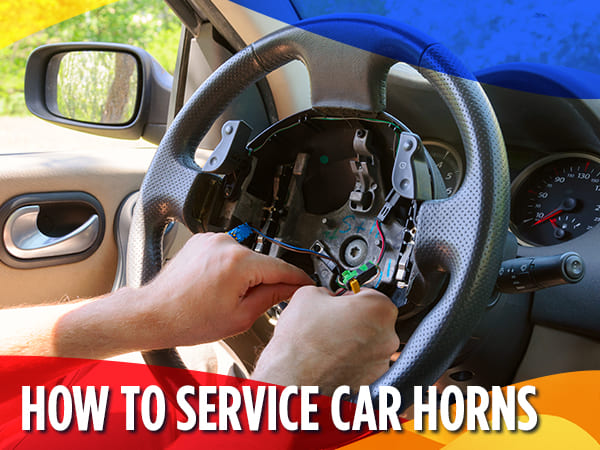
Common Reasons for Car Horn Failure in Belleview, FL
Understanding why your car horn might stop working is the first step in troubleshooting and fixing it. Belleview’s humid, storm-prone climate can contribute to a variety of problems that can affect your car horn’s performance. Here are some of the most common reasons why a car horn might fail:
1. Electrical Issues
The most common cause of a horn malfunction is an electrical issue. A blown fuse, faulty relay, or damaged wiring can prevent your horn from receiving power. This is particularly common in areas like Belleview, where humidity and rain can accelerate the corrosion of electrical components, including the horn’s wiring system.
2. Faulty Horn Relay
A horn relay controls the flow of electricity to the horn when the driver presses the horn button. If the relay is damaged or malfunctioning, the horn may fail to work. This is another common issue for residents in Belleview, as the high humidity can cause rust and corrosion in the electrical system.
3. Worn-out Horn
If the horn itself becomes worn out, it may not produce a sound at all, or it might sound faint or distorted. Over time, exposure to environmental elements like rain, salt air, or extreme temperatures can degrade the horn’s internal components.
4. Blown Fuse
Fuses protect the electrical system by preventing overloads. If the fuse for the horn blows, it will stop working entirely. This is an easy fix and often the first thing to check when troubleshooting a horn issue.
Case Study: Car Horn Repair in Belleview
Let’s consider a real-life example of a Belleview resident, John, who faced issues with his car horn.
The Problem:
John, a Belleview resident, noticed his 2010 Toyota Corolla’s horn intermittently failing. It would sometimes sound faint or not work at all, which was concerning during Florida’s sudden rainstorms when a working horn is essential for safety.
Diagnosis:
John consulted a local mechanic who found that the issue stemmed from a corroded fuse and faulty horn relay. The mechanic explained that Belleview’s humid climate likely caused corrosion, leading to inconsistent horn performance.
Solution:
The mechanic replaced the corroded fuse and faulty relay, and tested the horn, which was still in good condition. The repair restored full functionality to the horn.
Before-and-After Results:
Before the repair, John’s horn was unreliable, especially in heavy rain. After the fix, the horn worked properly, giving John confidence that he could safely alert other drivers during emergencies.
Troubleshooting and Repairing Your Car Horn
1. Check the Fuse
The first step in troubleshooting your car’s horn is to check the fuse. If the fuse has blown, it will stop the flow of electricity to the horn. In Belleview, where drivers may experience heavy rains and humidity, it’s important to regularly check fuses as corrosion and moisture can cause them to blow unexpectedly. The location of the fuse box varies by vehicle make and model, so consult your vehicle’s manual to find the fuse for the horn.
Once you locate the fuse, inspect it to see if it’s blown. If it is, simply replace it with a fuse of the same amperage. After replacing the fuse, test the horn to see if it works again.
2. Inspect the Horn Relay
If the fuse isn’t the issue, the next thing to check is the horn relay. The relay acts as the switch between the horn and the battery, sending power to the horn when you press the horn button. Over time, relays can wear out, especially if they are exposed to moisture or high heat, which are common in Belleview’s climate.
To inspect the relay, you’ll need to locate it (usually in the fuse box) and test it with a multimeter to ensure it is functioning correctly. If the relay is faulty, it will need to be replaced.
3. Test the Horn Wiring
Damaged or frayed wiring can also prevent the horn from working. Inspect the wiring connected to the horn to ensure it is intact and free from corrosion. Belleview’s humid conditions can cause wires to corrode, particularly if the car is older. If you find any broken or damaged wiring, it will need to be repaired or replaced.
4. Inspect the Horn Itself
If the electrical system is functioning correctly, the problem may be with the horn itself. Over time, exposure to rain and moisture can cause the horn’s diaphragm to corrode or become damaged. To test the horn, remove it from the vehicle and use jumper cables to connect it directly to the battery. If the horn doesn’t make a sound, it may be time to replace it. Horns are relatively inexpensive and easy to replace on most vehicles.
Conclusion
Your car horn is an essential safety feature that should never be overlooked, especially in a place like Belleview, where quick alerts to other drivers can prevent accidents in rainy or crowded conditions. By regularly checking the fuse, relay, and wiring, and by performing basic maintenance on the horn, you can ensure it stays in working order for the long term.
If your horn isn’t functioning as it should, take the necessary steps to troubleshoot the issue or visit a local mechanic for a professional diagnosis. A properly working horn can make all the difference in keeping you and your passengers safe on the road.
Ready to dive deeper into vehicle maintenance? Check out our other articles, including ‘Troubleshooting Wiper Motor Problems‘ and other expert insights.
FAQs About Car Horn Service in Belleview, FL
1. Why does my car horn sound weak or faint?
A weak or faint horn could be caused by a worn-out horn, a weak electrical connection, or a faulty relay. It’s important to inspect these components to identify the issue.
2. How can I tell if my horn fuse is blown?
If the horn isn’t working at all, start by checking the fuse. If it appears discolored or visibly damaged, it’s likely blown and needs replacing.
3. How often should I replace my car horn?
Most car horns can last the lifetime of the vehicle. However, environmental factors like humidity in Belleview can cause corrosion over time, requiring more frequent maintenance.
4. Can a car horn fail due to humidity in Belleview?
Yes, the high humidity in Belleview can cause rust and corrosion in the horn system, including wiring, the fuse, and the horn relay, leading to failure.
5. Is it safe to drive without a working horn?
Driving without a working horn is not safe, as it is an essential tool for alerting other drivers of your presence or potential hazards. It’s important to repair it promptly.