

If you’re a driver in Belleview, FL, securing your car is more important than ever. With a growing population and frequent tourist traffic, vehicle theft and break-ins can be a concern. Installing a car alarm is one of the most effective ways to protect your vehicle from theft and vandalism. While professional installation is always an option, many drivers in Belleview prefer to install their own car alarms to save on labor costs and gain a sense of control over the process.
In this article, we’ll guide you through the process of installing a car alarm, discuss the benefits of having one in Belleview’s unique environment, and share some practical advice on how to ensure your alarm system is working properly.
Why Install a Car Alarm in Belleview, FL?
Belleview, FL, is a city that’s growing rapidly, with more vehicles on the roads and more people visiting from nearby communities and tourist destinations. While Belleview may not be as densely populated as larger cities, the increase in vehicle ownership and traffic makes car theft and break-ins a possibility. Installing a reliable car alarm system can be a crucial deterrent.
The humid, rainy climate in Belleview also plays a role in the maintenance of your car’s security system. Humidity and exposure to the elements can cause wear on parts of the car alarm system, making regular checks and maintenance important for optimal performance. Car alarms not only protect against theft but also can alert you to attempted break-ins or vandalism.
Types of Car Alarms Available
Before you start the installation process, it’s essential to understand the different types of car alarms available. There are two main categories of car alarms: basic alarms and advanced systems.
1. Basic Car Alarms
These are the most common type of alarms and typically consist of a siren that sounds when someone opens the door or tampers with the vehicle. Basic systems are relatively inexpensive and easy to install, making them a popular choice for many car owners in Belleview. They often include features such as:
- Motion detection
- Vibration sensors
- Door sensors
2. Advanced Car Alarm Systems
These systems come with a range of additional features and are more sophisticated than basic alarms. Some of the common features of advanced car alarm systems include:
- Remote control access
- GPS tracking
- Keyless entry
- Shock sensors
- Smartphone connectivity
Advanced systems tend to be more expensive but provide enhanced security and peace of mind.
Case Study: Installing a Car Alarm in Belleview
The Problem:
Robert, a Belleview resident, was concerned about the security of his 2016 Ford F-150 after hearing about several nearby vehicle break-ins. His truck, which contained valuable tools, was often parked outside his home, making it vulnerable.
Solution:
To protect his vehicle, Robert purchased an advanced car alarm system with remote start, shock sensors, and GPS tracking. He decided to install the system himself after researching various options and watching installation tutorials online.
Before-and-After Results:
Before installing the alarm, Robert was uneasy leaving his truck outside overnight. After installation, he felt much more secure, knowing the alarm would trigger if someone attempted to tamper with the truck. The GPS tracking feature provided additional peace of mind, allowing him to monitor the truck’s location in case of theft.
How to Install a Car Alarm in Belleview, FL: Step-by-Step Guide
Installing a car alarm can be a rewarding DIY project, especially if you are comfortable with wiring and basic electrical components. Follow these steps for a successful installation.
Step 1: Choose the Right Car Alarm System
Before beginning, research and choose a system that suits your needs and budget. If you’re in a high-traffic area in Belleview or near places with higher crime rates, an advanced system might be the better option. For those in more suburban areas, a basic alarm system might suffice.
Step 2: Gather Tools and Materials
For the installation, you’ll need:
- The car alarm kit
- Screwdrivers
- Wire cutters and strippers
- Electrical tape
- Multimeter (for testing connections)
- Soldering iron (optional)
Ensure the car is parked in a safe, dry place with adequate lighting, as you will need to access various parts of your vehicle’s electrical system.
Step 3: Disconnect the Battery
To avoid any electrical shock or short circuits while working with the alarm’s wiring, disconnect the vehicle’s battery. This will ensure your safety during the installation process.
Step 4: Install the Siren and Sensors
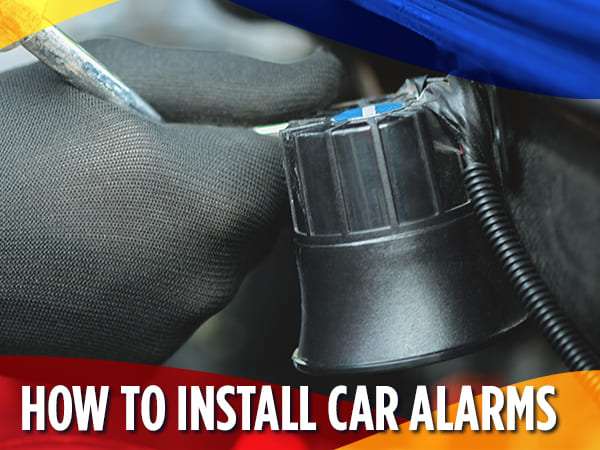
The first step in the installation process is to mount the alarm’s siren and sensors. The siren should be placed in an area where it’s both secure and loud enough to be heard from a distance, such as under the hood or near the engine compartment.
For sensors, consider placing vibration or shock sensors on areas where tampering or impact is most likely to occur, such as the door, windows, and trunk. Positioning them correctly ensures the alarm will be triggered only by significant events and not by environmental factors like wind or rain.
Step 5: Wiring the Alarm System
This is where the installation can get tricky, as it involves connecting the alarm system’s wiring to your vehicle’s electrical system. The key connections include:
- Power source: Connect the alarm’s power supply to the car battery.
- Door sensors: Attach the alarm system to the vehicle’s door sensors to trigger the alarm when doors are opened.
- Ground connection: Ground the system to ensure it’s properly secured.
If you’re unfamiliar with wiring, consider seeking help from a professional, especially for advanced systems.
Step 6: Test the Alarm System
Once the wiring is complete, reconnect the battery and test the alarm system. Make sure the sensors are working correctly, and check that the alarm is triggered when the doors are opened or when vibrations are detected.
Step 7: Secure the Alarm System
Finally, once you’re confident the system is working properly, secure the alarm system’s control unit in a safe, hidden area inside your vehicle. Typically, this would be under the dashboard or within the central console.
Step 8: Reassemble Your Vehicle and Enjoy Your New Security
Once everything is in place, reassemble your vehicle, clean up any tools, and enjoy the enhanced security of your new car alarm system.
Conclusion
Installing a car alarm in Belleview is an effective way to protect your vehicle from theft and break-ins, especially in a growing community where traffic and crime rates may increase. By following the installation steps outlined in this guide, you can secure your car and have peace of mind knowing it’s protected by a reliable alarm system.
If you prefer professional assistance, don’t hesitate to contact a local expert in Belleview to help with your car alarm installation. Stay proactive in protecting your vehicle, and make sure your car alarm is always in top working condition.
FAQs About Installing Car Alarms in Belleview, FL
1. How long does it take to install a car alarm?
Installing a car alarm typically takes between 2 to 4 hours, depending on the complexity of the system and your experience with wiring and electrical work.
2. Can I install a car alarm system myself?
Yes, if you have the right tools and knowledge, you can install a car alarm system yourself. However, if you’re not comfortable working with electrical systems, it’s best to hire a professional.
3. How much does it cost to install a car alarm in Belleview?
The cost of a car alarm system in Belleview ranges from $50 to $500, depending on the system’s features. Installation costs vary, but you can expect to pay between $100 and $300 for professional installation.
4. Do car alarms work in Belleview’s humid climate?
Yes, most modern car alarm systems are designed to work in a variety of climates. However, it’s essential to keep the sensors and wiring clean and dry to avoid corrosion in Belleview’s humid environment.
5. What should I do if my car alarm is going off for no reason?
If your car alarm goes off unexpectedly, it could be caused by a sensor malfunction or low battery. Check the system and ensure everything is secure. If the issue persists, consult a mechanic or professional installer.