

Owning a Honda in Belleview means taking care of a reliable vehicle that can withstand the Florida climate, but one key maintenance task many drivers overlook is timing belt replacement. The timing belt plays a crucial role in your engine’s function by ensuring that the pistons and valves move in sync. If the timing belt wears out or breaks, it can lead to catastrophic engine damage, often resulting in costly repairs.
In this guide, we’ll cover all the essential details you need to understand about timing belt replacement for your Honda. You’ll learn why the timing belt is so essential, what’s involved in the replacement process, and how replacing it on time can save you from expensive engine issues down the road.
Additionally, we’ll share a real-world example from a Belleview Honda owner who benefited from timely replacement and provide data on how long timing belts typically last. By the end, you’ll have a clear understanding of why staying on top of timing belt maintenance is critical to your vehicle’s longevity and performance.
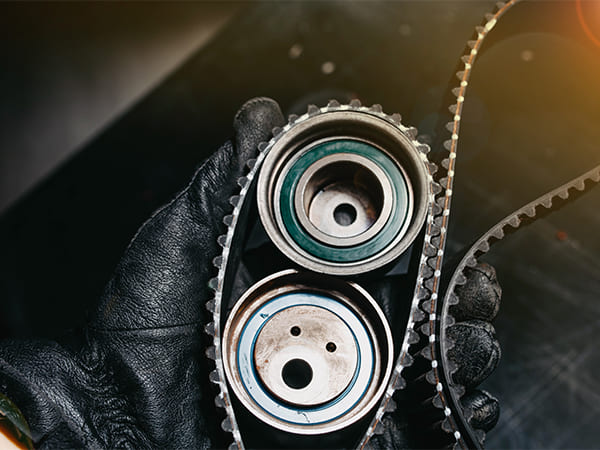
What is the Timing Belt, and Why is it Important?
The timing belt is one of the most critical components in your Honda’s engine. It synchronizes the rotation of the crankshaft and the camshaft, ensuring that the engine’s valves and pistons move in perfect timing. Without a properly functioning timing belt, your engine wouldn’t run, or worse, it could suffer catastrophic damage.
Here’s why timing belt replacement is crucial:
- Engine Synchronization: The timing belt keeps everything in sync, ensuring smooth engine operation.
- Prevents Internal Engine Damage: A snapped timing belt can cause severe damage to the engine’s internal components, including the pistons and valves.
- Prevents Costly Repairs: Replacing the timing belt on schedule prevents engine failure and the need for expensive repairs.
In Honda models, the timing belt is often made from a rubber compound and needs to be replaced at regular intervals to prevent wear and tear. Neglecting this can result in an engine failure that’s much more expensive to fix than replacing the timing belt itself.
The Timing Belt Replacement Process
When you bring your Honda in for a timing belt replacement, here’s what the process typically involves:
Step 1: Initial Inspection
First, a technician will inspect the engine and identify whether the timing belt is due for replacement. If your Honda has high mileage or if the check engine light is on, this could be a sign that the timing belt has been stretched or damaged.
Step 2: Removal of the Old Timing Belt
The timing belt is usually located in the front of the engine, behind a series of pulleys. To access it, the technician will remove several components such as the alternator, water pump, and other belts that are in the way.
Step 3: Inspect Related Components
While replacing the timing belt, the technician will often inspect related components like the water pump, pulleys, tensioners, and seals. If any of these parts show signs of wear, they may be replaced at the same time to prevent future breakdowns.
Step 4: Install the New Timing Belt
Once everything is cleared, the new timing belt is installed. The technician will carefully align the timing marks to ensure the engine is properly synchronized. This step is crucial to avoid engine damage.
Step 5: Reassembly and Testing
After the timing belt is replaced, all components are reassembled. The engine is started, and a series of tests are run to ensure the new belt is functioning properly and there are no issues with the engine’s performance.
Typically, timing belt replacement takes between 4 to 6 hours, depending on the make and model of your Honda.
Benefits of Replacing the Timing Belt on Time
Replacing your timing belt at the recommended intervals offers several key benefits:
- Prevents Engine Damage: The most obvious benefit is avoiding costly engine repairs. A snapped timing belt can lead to the destruction of the engine’s internal components, which can cost thousands of dollars to fix.
- Improves Engine Performance: A fresh timing belt ensures your engine runs smoothly and efficiently, leading to better acceleration, smoother idling, and improved fuel economy.
- Maintains Vehicle Reliability: Timely replacement of the timing belt keeps your Honda in peak running condition and reduces the chances of unexpected breakdowns.
- Avoids Expensive Repairs: Replacing the timing belt is much more affordable than replacing an entire engine due to a failure caused by a broken belt.
Timing Belt Replacement Success Story: 2010 Honda Accord in Belleview
One of our recent customers, a Belleview resident with a 2010 Honda Accord, came to us with concerns about engine noise and a slight rough idle. Upon inspection, we found that the timing belt had begun to show signs of wear with over 120,000 miles on the odometer, well past the recommended replacement interval.
We advised the customer to replace the timing belt immediately to avoid further damage. Along with the timing belt, we replaced the water pump and pulleys, as these components were also showing signs of wear. The entire repair took about 5 hours, and after completing the job, the car was running smoothly again.
The customer was relieved, as they avoided potential engine damage and extended the life of their vehicle for another 100,000 miles. They even mentioned how much smoother the engine felt after the replacement.
Mileage Guidelines & Climate Considerations
Honda generally recommends replacing the timing belt every 60,000 to 100,000 miles, depending on the specific model and year of the vehicle. This recommendation is consistent across various Honda models and is supported by multiple sources. For instance, Wesley Chapel Honda states that the timing belt on a Honda Accord needs replacement every 60,000 to 100,000 miles, with newer models equipped with timing chains that require less frequent maintenance.
AAA Club Alliance also advises that most auto manufacturers, including Honda, suggest a timing belt replacement interval between 60,000 and 100,000 miles. They emphasize that failure to replace the timing belt within this timeframe can lead to catastrophic engine damage due to the belt’s role in synchronizing engine components.
In Belleview’s climate, characterized by high humidity and heat, timing belts may experience accelerated wear. The Crosstour Owners Club Forum notes that extreme climates can affect the timing belt’s lifespan, suggesting that vehicles in such conditions might require more frequent replacements.
Frequently Asked Questions
1. How do I know if my Honda’s timing belt needs replacement?
Signs include engine misfires, unusual engine noises, and difficulty starting the engine. A professional mechanic can check the timing belt for wear.
2. How long does it take to replace a timing belt?
The process typically takes between 4 to 6 hours, depending on the make and model of your vehicle.
3. Can I drive my Honda with a worn timing belt?
It’s not recommended. A worn timing belt can snap unexpectedly, leading to catastrophic engine damage.
4. Is replacing the timing belt expensive?
While timing belt replacement can be costly, it’s much more affordable than the cost of repairing an engine after a timing belt failure.
5. Can I replace the timing belt myself?
Replacing the timing belt requires specialized tools and expertise, so it’s best left to professionals to avoid engine damage.
Get Your Honda’s Timing Belt Replaced Today
Replacing the timing belt on your Honda is a key part of maintaining your vehicle’s health and performance. Timely replacement prevents major engine damage, improves reliability, and ensures that your Honda continues to run smoothly. In Belleview, where the Florida heat and humidity can accelerate wear and tear, it’s essential to stay on top of this important maintenance task.
If your Honda is approaching its timing belt replacement interval, don’t delay getting it checked before it leads to bigger issues. Bring your vehicle to Gregg Smith Automotive in Belleview, and our ASE-certified technicians will replace your timing belt and ensure that your engine continues running smoothly. Schedule your appointment today!