

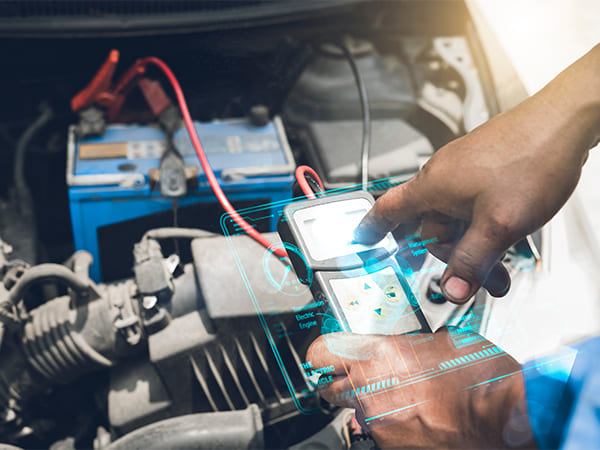
Every modern Acura, whether an ILX, TLX, MDX, TSX, or RDX, relies on a sophisticated network of electrical and electronic systems. From lighting, infotainment, sensors, and body modules to the engine control unit and safety circuits, the whole car is increasingly an electrical system laid over mechanical parts. When something goes wrong in that network, the effects can range from a flickering headlight to a stalled engine or a cascade of warning lights.
In Belleview, FL, unique local conditions—heat, humidity, rainfall, salt in the air (especially if you drive near lakes or toward coastal areas), occasional flooding—can further stress wiring insulation, corrosion-prone ground points, and battery life. Combine that with age and wear, and some Acuras become vulnerable to electrical gremlins.
Below, we walk you through a structured approach to diagnosing and fixing Acura electrical issues, illustrated with examples, real‑world insights, and data-backed recommendations.
Common Acura Electrical Faults: What You’ll See First
Before diving into repair steps, it’s good to recognize the typical failure modes in Acuras. Here are frequent culprits (and warning signs) to watch for:
| Fault / Component | Symptoms | Typical Root Causes |
| Battery & terminals | Car cranks slowly or not at all | Old battery, corrosion, loose cable, internal cell failure |
| Alternator / voltage regulator | Dimming lights, battery icon, flickering, battery draining | Regulator failure, worn diode/rectifier, overcharging or undercharging |
| Faulty wiring / poor ground | Intermittent electrical devices, modules shutting off, warning lights | Frayed insulation, broken wires, corroded connectors, rodent damage |
| Blown fuses / fuse box issues | Loss of specific circuits (e.g. power windows), repeated fuse failure | Short circuit, overload, damaged bus bar or fuse holder |
| Defective sensors / control modules | Check engine light, erratic engine behavior, sensor‑driven systems fail | Internal failure, surge damage, wiring errors |
| Modules or computer glitches | Erratic behavior (locks not working, displays going blank) | Software bugs, voltage surges, module failure |
Sources such as Acura dealership service blogs mention that a failed rectifier in the alternator leads to AC output that is useless to the car’s systems, forcing the battery to drain quickly. Similarly, repair sites often point to loose, corroded, or broken wiring as among the trickiest underlying causes.
Step‑by‑Step Process: Diagnosing & Fixing Electrical Problems
Below is a practical, structured workflow you or a technician can follow when faced with Acura electrical trouble. Think of it as a “logical ladder” — don’t skip steps.
1. Gather symptoms & context
- When did it start (after rain? heat wave? recent repair work?)
- Which systems fail (only headlights, or drivetrain? interior electronics?)
- Are there warning lights on the dash? (Battery light, check engine, ABS, etc.)
- Is there a smell of burnt plastic or melting insulation?
2. Perform baseline battery & charging tests
- Check battery resting voltage (should be ~12.6 V when off)
- Load‑test the battery to see if it collapses under load
- Start the car and measure alternator output (typically 13.8 to 14.5 V)
- Look for voltage drop across cable runs and in connectors
If the battery fails, replace it first. If the alternator can’t maintain the voltage or shows ripple up/down, it may be malfunctioning or its regulator/rectifier is bad.
Dealership blogs note that if the alternator’s regulator fails and continuously overcharges, it can damage the battery or boil the electrolyte.
3. Inspect wiring, grounds, and connectors
- Start at the battery negative ground to chassis point(s). Clean and tighten all grounds
- Probe the fuse box – check for signs of overheating or melted plastic
- Use a multimeter to check continuity across suspect circuits
- Use back‑probe connectors to look for intermittent opens under vibration
- In humid or coastal zones, corrosion inside connectors is common — open them if safe and check pins
4. Check fuse / relay circuits
- Identify fuses or relays tied to the failing systems and test or swap them
- If fuses keep blowing, trace the short or overload downstream
- Check fuse box power input and bus bars
5. Test modules and sensors
- Use a scan tool to read fault codes from ECU modules
- Test sensor lines (voltage, resistance) to ensure they operate in spec
- In some cases, a module may have been damaged by a voltage spike and needs replacement
6. Repair, replace, and revalidate
- Replace damaged wiring or connectors with appropriately sized, high‑quality wire
- Use dielectric grease to reduce corrosion risk
- Reinstall modules/fuses and retest systems
- Monitor over a few drives to ensure no recurrence
Why Fixing Electrical Issues Properly Matters
Electrical issues might seem like a nuisance or “only intermittent,” but ignoring them often leads to:
- Cascading failures — A short or undervoltage can damage sensors or modules
- Reliability loss — Your Acura might quit unexpectedly or fail key systems like ABS, lighting, or ignition
- Higher long-term cost — What looks like a $30 fuse problem might hide a $500 control module damage
- Safety risk — Dimming headlights, failing airbags, or errant signals could endanger you or others
A well‑executed repair restores normal function, increases reliability, and prevents mysterious electrical “gremlins” down the road.
Case Study: Acura MDX Electrical Glitches in Belleview
A Belleview driver with a 2015 Acura MDX reported dimming headlights, random dashboard warning lights, and eventually a no-start issue.
Diagnosis:
- Weak battery and failing alternator
- Corroded ground strap and loose fuse box ground
- Frayed main power wire
Fix:
Replaced the battery and alternator, repaired wiring, cleaned all grounds, and cleared fault codes.
Result:
No more electrical issues. Headlights stayed bright, dashboard warnings disappeared, and the vehicle started reliably.
Florida-Specific Data on Acura Electrical System Failures
- In Florida’s humid and salty environment, connector corrosion and wiring insulation breakdown are significantly more likely over time.
- RepairPal notes that in Belleview, FL there are 25+ electrical system repair providers certified in the area, indicating demand for reliable diagnosis services.
- Local shops like Gregg Smith Automotive in Belleview advertise alternator replacement and full auto electrical repair specializations, reflecting that these are ongoing, needed services in the area.
- AAMCO’s Central Florida branch outlines typical symptoms like dim headlights, blowing fuses, and wiring corrosion as red flags for serious electrical issues.
- Model‑specific forums indicate that some Acura TLX and TSX owners face recurrent electrical oddities traced back to fuse box corrosion or roof seam leaks that let moisture into wiring runs.
These data points reinforce that while electrical problems can be subtle, they are common enough locally in Florida to warrant serious attention.
Frequently Asked Questions
1. How much does it cost to fix Acura electrical problems in Belleview, FL?
Fixing Acura electrical issues in Belleview usually costs between $150 and $1,200, depending on whether you need simple wiring repairs, a new battery, or major parts like an alternator or control module.
2. Why do my Acura’s lights flicker when I drive in Belleview?
Flickering lights are often caused by a failing alternator, weak battery, or corroded wiring connections — all common in Belleview’s humid and hot climate.
3. What’s the first thing to check for Acura electrical problems?
Always start by testing the battery voltage and alternator output. If they’re good, move on to fuses, grounds, and wiring.
4. Can I drive my Acura with an electrical issue?
It’s risky. Some electrical issues can cause your engine to stall, lose lights, or disable safety features like ABS. Get it checked ASAP.
5. Where can I get Acura electrical repairs in Belleview, FL?
You can visit Gregg Smith Automotive in Belleview, FL — they specialize in diagnosing and fixing Acura electrical systems.
Final Thoughts: Protect Your Acura from Electrical Failures
Electrical issues in your Acura might begin with a flicker or glitch, but left unchecked they can snowball into major failures, costly repairs, or safety hazards. By following the structured diagnostic process above—testing battery and alternator first, then scrutinizing wiring, grounds, fuses, and modules—you can often pinpoint the root cause and restore reliability.
For Acura owners in Belleview, Florida, the local environment adds urgency: corrosion, moisture, and heat are constant adversaries of electrical integrity. That’s why trusted local auto shops publish their expertise in alternator repair and wiring diagnostics.
When you’re ready for a professional check or need skilled repair support, Gregg Smith Automotive offers full auto electrical services right here in Belleview. Check out our related articles on battery care, wiring maintenance, and module updates to keep your Acura running smoothly for years to come.