

If you’re driving an Acura around Belleview, FL — whether commuting to Ocala, heading toward The Villages, or navigating local roads like SE Marion County Road 484 — understanding timing belt issues is critical. A broken timing belt often results in major engine failure, and for many Acura models, the clock is ticking on preventive maintenance. In this article, we’ll walk you through what a timing belt does, the common problems Acura owners face, the benefits of staying ahead of issues, a real‑world case study, technical data you should know, and FAQs tailored for Belleview drivers.
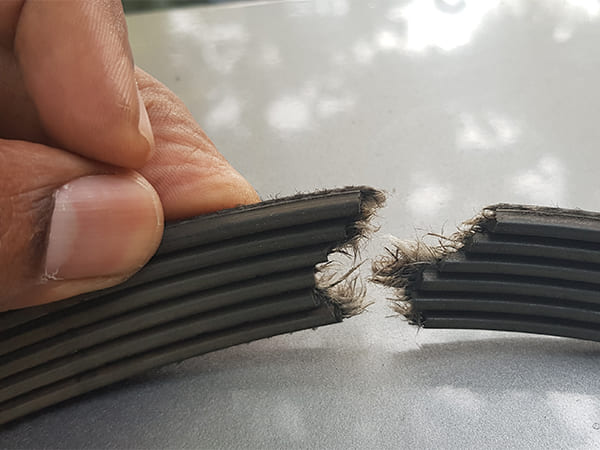
What a Timing Belt Does & Why It Matters
The timing belt is a durable, reinforced belt that keeps the crankshaft and camshaft(s) in sync, allowing the engine’s valves to function properly precisely when needed. In many Acura V6 models, the timing belt also drives other components like the water pump. When it fails, engine parts can collide, causing bent valves, piston damage, or total engine destruction. ([turn0search9])
In Belleview’s climate — hot, humid summers and occasional cold snaps in the winter — the timing belt is under pressure. Rubber degrades over time, and extended heat exposure accelerates aging. For Acura owners who plan to keep their vehicle for years, ignoring timing belt issues is a huge gamble.
Common Timing Belt Issues with Acuras
Here are some frequent problems Acura owners face with the timing belt, and how they apply locally in Belleview, FL:
| Issue | Description | Risk If Ignored |
| Delayed Replacement | Ignoring Acura’s 105,000 mi / 7-year guideline | Belt failure, engine damage (bent valves, pistons) |
| Age & Climate Wear | Heat and humidity in Belleview accelerate rubber degradation | Cracking, loss of tension, sudden breakage |
| Ignored Component Replacement | Skipping tensioner, pulley, or water pump during belt service | New belt failure due to old part failure |
| Invisible Internal Wear | Belt can look fine but still fail internally | No warning — sudden failure while driving |
| Oil or Coolant Contamination | Leaking seals or pumps can degrade belt material | Accelerated wear, increased chance of snapping |
What You Gain by Replacing Your Timing Belt on Time
Getting the timing belt (and related components) serviced at the right time delivers real value:
- Avoids catastrophic engine damage. A broken timing belt typically leads to internal engine failure in interference‑type engines (common in many Acuras). Repair costs often exceed several thousand dollars.
- Maintains resale value. A documented timing belt service can boost the value when you sell or trade in your Acura in Florida’s market (for example, Belleview to The Villages).
- Improves reliability and peace of mind. You’re less likely to get stranded on SR 484 or in a remote parking lot.
- Opportunity for bundled maintenance. Because you’re already paying for labor to access the timing system, replacing the water pump, belts, seals and coolant at the same time often makes better economic sense.
Case Study: 2006 Acura TL V6 in Belleview
Here’s a real‑world example from our local area (vehicle anonymized). A 2006 Acura TL with the 3.2 L V6 engine had 109,000 miles and had never had the timing belt replaced. The owner lived in Belleview and mostly drove local errands in hot weather (90 °F+).
Issue:
- The belt cover showed slight oil seepage from the front crank seal.
- When removed, service tech found the belt had minor cracks and the tensioner pulley had a rough feel.
- The water pump was original and coolant showed signs of contamination.
Action Taken:
- We replaced the full timing belt kit (belt, tensioner, idler pulley, water pump, crank/cam seals, coolant).
- Because the engine is interference‑type, we recommended the full job without delay.
- Documented service and provided inspection photos.
Results:
- The vehicle continued to operate reliably.
- The owner avoided a potential belt failure scenario and engine damage estimated at $4,000‑$5,000.
- Since the service, the owner reported improved engine smoothness and no check‑engine warning codes (which had appeared intermittently).
Takeaway: Waiting until “maybe later” can cost far more than you imagine. Even though the vehicle seemed fine, the timing belt system was already compromised.
Timing Belt Failure by the Numbers
- Timing belt life: As service‑guides note, Acura belts typically require replacement at 105,000 miles or 7 years. ([turn0search4])
- One cost‑data guide indicates timing belt replacement for an Acura may cost between $500 and $1,000+, depending on model and labor. ([turn0search9])
- Forums share anecdotal evidence: “If you’re past 105,000 miles and the belt isn’t changed, you’re gambling.” ([turn0search12])
- Additional risk factors: weather extremes, short‑trip driving, oil and coolant leaks accelerate wear. ([turn0search10])
In Belleview’s environment — hot summers, high humidity, frequent short local trips — you face many of the risk factors highlighted above. That means staying vigilant is especially important.
FAQs for Belleview Acura Owners
What is the recommended timing belt interval for my Acura V6 in Belleview?
- Typically replaced at around 105,000 miles or 7 years, whichever comes first — especially important given Florida’s hot, humid conditions.
How can I tell if my timing belt is failing before it breaks?
- Look for symptoms like ticking sounds under the hood, misfiring, oil leaks at the front of the engine, or Check‑Engine light. While these may indicate issues, cover and wear may not be visible until damage is done. ([turn0search10])
Does replacing the timing belt also mean I should replace the water pump and tensioner?
- Yes — when replacing the timing belt on many Acura models, it’s wise to also replace the water pump, tensioner, idler pulleys and seals, since labor overlap gives you better value and longer life.
What happens if my timing belt breaks while driving around Belleview?
- In many Acura engines, a broken belt means the valves and pistons collide (interference engine), causing major damage. Repair may cost thousands of dollars — considerably more than preventive service.
I only drive short distances around Belleview. Does that change my timing belt service schedule?
- Short trips (cold starts, fewer mile accumulation) actually increase risk because the belt and components don’t reach optimal temperature and you accumulate time on the belt. Use the “7‑year” rule even if the miles are low.
Action Steps & Moving Forward
If you’re driving an Acura in Belleview, FL and your timing belt service records are uncertain or overdue, now is the moment to act. Scheduling service before a failure can save you thousands, reduce downtime, and extend your vehicle’s life.
Take a look at your service history. Ask your technician whether the belt, tensioner, idler pulley and water pump were replaced. If you’re past the recommended interval or you ride regional heat, humidity and short‑trip cycles, treat the timing belt as critical maintenance.
When you’re ready to dive deeper into related topics like “What to do when an interference engine timing belt fails” or “How to choose a quality Aachen timing belt kit for Acura”, be sure to explore our other articles. And if you’d like professional diagnostics or service for your Acura’s timing belt system, reach out to Gregg Smith Automotive for expert support and local service.