

Is your Acura struggling to start or losing power during acceleration? It might be more than just age — a failing fuel pump is a common culprit. In Belleview, FL, where heat and humidity can wear down vehicle components faster, knowing when and how to replace your Acura’s fuel pump is essential for reliable performance.
This step-by-step guide walks you through the signs, replacement process, and expert-backed tips to keep your car running safely and smoothly on Florida roads.
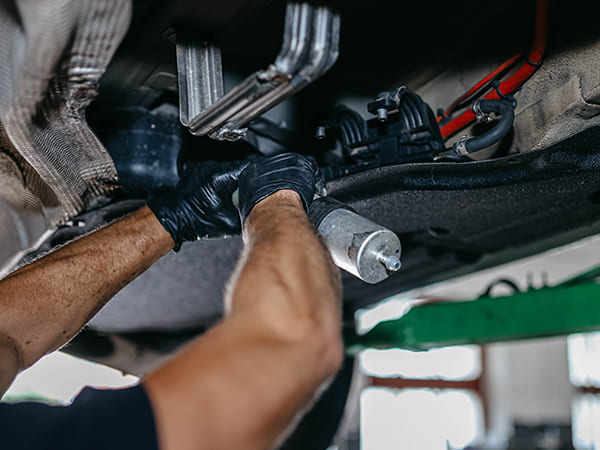
What the Fuel Pump Does and Why It Matters
Your Acura’s fuel pump plays a critical role: it transfers fuel from the tank to the engine at the correct pressure so your vehicle runs smoothly. When the pump begins to fail, you may experience sluggish acceleration, engine stalling, or even a no‑start. In Belleview, FL, where heat, humidity, and occasionally sandy or dusty conditions put extra strain on fuel systems, making sure your fuel pump is healthy is essential for reliability and safety.
The fuel pump is generally located inside or near the fuel tank, and it works continuously while the engine is running. A failing pump not only causes drivability issues but, unchecked, can lead to engine misfires, catalytic converter damage, or total engine failure. According to cost‑estimators, a typical Acura fuel‑pump replacement ranges from about $600 to $900 nationally
Signs Your Acura’s Fuel Pump May Need Replacing
Before diving into the replacement process, it’s helpful to know the early warning signs:
- The engine sputters or loses power during acceleration or under load — this often points to insufficient fuel pressure.
- The vehicle fails to start or takes multiple crank attempts — when the pump doesn’t deliver fuel, the engine won’t fire.
- Audible whine or humming from the fuel tank area — a worn pump motor may make abnormal noise.
- Check Engine Light (CEL) related to fuel‑delivery codes — modern Acuras monitor fuel‑system pressure and log faults when conditions fall outside parameters.
- Stalling or rough idle, particularly in hot Belleview weather where fuel can vaporize or pump strain increases.
Recognizing these early means you can intervene before secondary damage occurs. For example, a Belleview driver neglected a humming fuel‑pump sound, later discovering the failed pump had overheated and ruined the fuel filter and injectors, multiplying the repair cost.
Step‑by‑Step: How to Replace an Acura Fuel Pump
Below is a detailed process mechanics follow — whether you’re DIY‑savvy or supervising a shop (in Belleview, FL).
1. Safety & Preparation
- Relieve fuel‑system pressure: disable the fuel pump relay and run the engine until it stalls, or use manufacturer‑recommended procedure.
- Disconnect the negative battery cable to prevent accidental sparks.
- Work in a well‑ventilated space, free from ignition sources (gasoline vapors are dangerous).
2. Accessing the Fuel Pump
- On many Acura models the fuel pump sits inside the fuel tank. Some have an access panel under the rear seat or trunk floor; others require lowering the tank.
- Raise the vehicle safely if needed — Belleview’s flat terrain and warm garage conditions are ideal for this work.
3. Remove Old Pump
- Disconnect all fuel lines, electrical connectors, and mounting straps or bolts.
- Carefully withdraw the old pump module. Note: coolant‑cleanliness and correct orientation matter.
- Inspect for debris, corrosion, or signs the pump was starved or overheating.
4. Install New Pump
- Replace the pump assembly or module with a quality unit (OEM or high‑grade aftermarket) suitable for your Acura model.
- Reinstall any old bracket or screen elements if required; always use new seals/gaskets.
- Reconnect everything carefully: ensure fuel lines are tight, electrical plugs secure, and mounting hardware torqued to spec.
5. Refill & Test
- Reinstall the fuel tank or access cover. Reconnect battery.
- Turn the ignition to “ON” (not start) to let the new pump prime the system. Listen for humming.
- Start the engine, check for leaks, and observe normal idle. Then take a short road test: watch for smooth acceleration, no hesitations, and consistent fuel‑pump sound.
Why Replacing the Fuel Pump Sooner Is Better
- Reduces risk of being stranded:
- A fully failed pump often leaves you unable to start or suddenly stalled.
- A fully failed pump often leaves you unable to start or suddenly stalled.
- Protects other components:
- Driving with low fuel pressure or contaminated pump can damage injectors, fuel filters, or the fuel‐system electronics.
- Driving with low fuel pressure or contaminated pump can damage injectors, fuel filters, or the fuel‐system electronics.
- Improves fuel economy:
- A failing pump may cause the engine to compensate inefficiently.
- A failing pump may cause the engine to compensate inefficiently.
- Local climate factor:
- In Belleview, FL’s high heat and moisture can accelerate pump wear — replacing before failure helps maintain reliability during summer road trips or daily commutes.
Belleview Driver’s Fuel Pump Rescue
A Belleview resident driving a 2010 Acura TL reported occasional hesitation during morning drives but ignored it until the car refused to start one humid afternoon. At the local shop, diagnostics revealed the fuel pump’s motor had overheated and seized due to long idling in Florida humidity and a near‑empty fuel tank (starvation effect). After replacing the pump, cleaning the tank pickup screen, and verifying fuel pressure, the car returned to normal operation — no more hesitation, smooth starts, and improved drive‑quality. This clearly illustrates how local conditions (high humidity, idling, low fuel) can accelerate the fuel‑pump failure process.
Industry Data and Fuel Pump Lifespan Insights
- According to a national estimator, a typical Acura fuel‑pump replacement cost ranges around $611–$894.
- For certain Acura TL models, replacement cost estimates can soar above $1,300 depending on year and location.
- Repair guides note that a fuel pump’s lifespan can be shortened by frequent use of the vehicle with low fuel levels, contaminated fuel, or extended idling — all relevant factors for Florida drivers.
Stay Ahead: Smart Steps for Maintaining Your Acura’s Fuel System
Replacing your Acura fuel pump in Belleview, FL may seem like a major job, but when handled promptly it prevents bigger headaches, ensures reliable performance, and saves money in the long run. Recognizing the warning signs, understanding the replacement steps, and working with a trusted professional is the best path forward.
If you’ve noticed hesitation, a humming sound from your fuel tank, or hard starts in Belleview’s heat and humidity, don’t wait until you’re stranded. Contact Gregg Smith Automotive today for a fuel‑pump inspection and get back on the road with confidence.
Common Questions About Acura Fuel Pump Replacement in Belleview, FL
How long does an Acura fuel pump replacement take?
Typical replacement takes 2–4 hours for most models, assuming direct tank access. If the tank must be removed, add more time for labor and fuel handling.
Can I drive my Acura with a failing fuel pump?
You can temporarily, but it’s risky. The engine may stall or refuse to start, especially under load or high temperatures — it’s safer to get it repaired ASAP.
Does the vehicle’s location (Belleview, FL) affect fuel pump lifespan?
Yes. High humidity, heat, and extended idling (common in Florida) increase fuel‑system stress and may reduce pump lifespan compared to milder climates.
Should I replace the fuel filter when replacing the pump?
Absolutely. Replacing the fuel filter ensures the new pump doesn’t suffer from old contaminants or restricted flow, improving longevity and performance.
What is the cost of replacing a fuel pump for an Acura in the Belleview area?
While costs vary by model and year, national data shows $600–$900 typical, and some Acura TL models reaching $1,300+. It’s wise to get a detailed quote from a local Belleview shop.