

If you own an Acura and you’ve noticed strange noises, decreased performance, or an exotic scent of exhaust while driving around Belleview, FL (and nearby Ocala or The Villages), you’re likely facing an exhaust‑system issue. In this guide, we’ll walk through what exhaust problems look like in Acura vehicles, how to diagnose them in the local environment, and how you can take timely action before minor symptoms become big repairs.
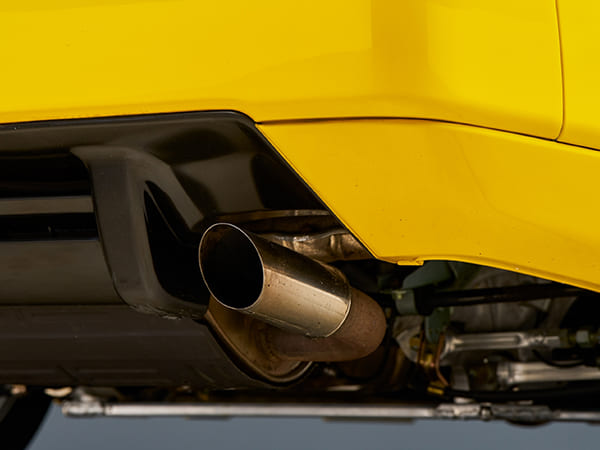
What is the Exhaust System — and Why Does It Matter for Your Acura?
Your Acura’s exhaust system is more than just the tailpipe and muffler you see—it’s a network of components including the exhaust manifold, catalytic converter, oxygen sensors, pipes, hangers and muffler that channel combustion gases away, reduce noise, ensure efficient engine operation, and keep emissions in check. When any component fails or degrades, performance, fuel efficiency and even safety can suffer.
For example, industry data shows that common exhaust‑system issues include leaks, faulty oxygen sensors, rust and breaks in hangers—any of which may lead to higher noise levels, lower fuel efficiency or worse emissions.
In Belleview’s climate—warm and humid with a fair bit of driving on local roads, occasional gravel or rural terrain—the exhaust system faces both heat stress and potential physical damage from road debris or corrosion. That increases the urgency for proper diagnostics.
Common Acura Exhaust Problems & What They Look Like
| Problem Type | How It Appears | What to Inspect or Check |
| 1. Exhaust Leaks | Louder exhaust noise, hissing or popping under acceleration, or exhaust smell inside the cabin. | Look for cracked or corroded pipes, leaking joints, or broken manifolds. A leak upstream of the oxygen sensor can cause incorrect air‑fuel ratios, reducing performance and fuel economy. |
| 2. Corrosion / Rust / Broken Hangers | Rusted pipes or mufflers, sagging or dragging exhaust components. Often worsens after short trips in humid weather. | Inspect the underside for rust spots, holes, or broken hangers—especially after driving on Belleview’s local or gravel roads. Moisture buildup can speed up corrosion. |
| 3. Faulty Oxygen Sensors | Check engine light, lower fuel efficiency, or failed emissions test. | A bad sensor misreads oxygen levels, leading to poor fuel mixture and higher emissions. Acura sensors may fail due to age, heat, or contamination. |
| 4. Clogged or Failing Catalytic Converter | Reduced power, sluggish acceleration, heat under the vehicle, or a “rotten‑egg” sulfur smell. | Check for restricted exhaust flow or converter codes. A clogged converter limits power; the engine may rev high but not accelerate properly. |
| 5. Back‑Pressure or Exhaust Restriction | Loss of power under load, overheating exhaust parts, or poor acceleration. | Measure exhaust back‑pressure—Acuras should read below 1.5 psi at idle and 3 psi at 2,000 rpm. Higher readings indicate restriction from blockage or collapsed pipes, common in Belleview’s short‑trip driving conditions. |
Step‑by‑Step Diagnostic Process for Your Acura
Here’s a practical guide you can follow (or use when talking to your technician) to diagnose exhaust problems in your Acura:
1. Check the Symptoms
Is your Acura louder than usual? Smelling fumes? Noticing poor gas mileage or a check engine light? Think about when it happens — e.g., after a quick run from Belleview to Ocala or down SE Maricamp Rd.
2. Look Underneath
Secure the car and inspect for rust, holes, sagging pipes, or broken hangers. Focus on areas near the manifold and catalytic converter.
3. Listen Closely
With the engine running, listen for hissing (leak), loud roaring (muffler issues), or rattling (broken converter parts).
4. Scan for Codes
Use an OBD scanner to detect faults with oxygen sensors, the catalytic converter, or misfires — especially important in Acura models.
5. Test for Back-Pressure
Back-pressure above 3 psi at 2,000 rpm signals possible blockages. Ask your tech to test if the power feels restricted.
6. Road Test Under Load
Drive with the AC on or uphill — does the issue worsen with heat or acceleration? Belleview’s climate makes this step crucial.
7. Plan the Fix
Based on the diagnosis, your tech can recommend sensor replacement, pipe repair, muffler swap, or full system service. Use rust-resistant parts for Florida’s humidity.
Real‑World Case Study: An Acura in Belleview
Here’s a scenario based on our local experience in Belleview:
Vehicle:
2013 Acura TL, owned by a commuter driving from Belleview → Ocala daily (~80 miles round trip).
Symptoms:
Loud rumble from under the car, drop in MPG from ~28 to ~22, check engine light flickering.
Diagnosis:
Technician found rust‑perforation in a rear mid‑pipe section (visible hole), broken exhaust hanger causing pipe sag, and the overworked muffler had internally disintegrated. A subsequent back‑pressure test showed ~5 psi at 2,000 rpm — above normal for an Acura.
Repair:
Replaced mid‑pipe section (with corrosion‑resistant steel), new hanger, new muffler. Cleared codes and reset monitoring.
Outcome:
After the repair, the noise dropped significantly, the check engine light stayed off, and MPG rose back to ~27. The owner avoided more expensive converter damage by acting early.
This case emphasizes early diagnosis and local conditions (warm/humid Florida + short trips) that accelerate rust and damage in Acura exhaust systems.
Supporting Data & Localized Observations
- According to general industry data, rust and broken hangers are among the top exhaust system failures—especially in humid or wet climates.
- A local shop servicing Belleview / Ocala reports that “rattling noise, reduced fuel efficiency, or visible exhaust smoke” all flag serious exhaust issues.
- The “Restricting back‑pressure” metric is especially relevant for Acura vehicles, as noted by long‑time forums: “back pressure readings of Acura engines are normally less than 1.5 psi”.
Because Belleview has moderate roads but exposure to rural terrain, flakes of rust and debris impact the underside exhaust components often, so preventive inspections every ~12 months or 15,000 miles help.
Why Diagnosing Exhaust Problems Early Benefits You (and Your Acura)
- Improved engine performance: A healthy exhaust reduces back‑pressure, allows the engine to breathe properly, and revs cleanly.
- Better fuel efficiency: Leak or sensor faults cause inefficiencies—regular inspections prevent MPG loss.
- Reduced emissions: Faulty sensors or clogged converters increase harmful emissions (important if your area enforces inspection or if you sell/trade your vehicle).
- Safety & comfort: Exhaust leaks can allow carbon monoxide into the cabin; broken hangers can hang low and hit road debris.
- Cost‑avoidance: Fixing a minor leak or replacing a muffler is far less costly than—say—a catastrophic converter failure or full system replacement.
What Belleview Acura Owners Should Do Next About Exhaust Issues
When your Acura starts to show signs of exhaust trouble—louder noise, check engine light, smell of fumes, or lost MPG—don’t wait. Use the diagnostic checklist above, keep local conditions in mind (humid climate + road debris), and act quickly to prevent escalation. Catching problems early with visual, auditory, and sensor checks pays dividends.
If you drive an Acura in the Belleview, FL area and suspect an exhaust system issue, schedule an inspection with our team at Gregg Smith Automotive. We’ll guide you through the diagnosis, explain findings clearly, and help restore your Acura’s performance and longevity.
Frequently Asked Questions About Acura Exhaust Problems in Belleview, FL
Why does my Acura smell like exhaust inside while driving in Belleview?
Common signs include louder engine noise, exhaust smells inside the cabin, decreased fuel economy, or a check engine light.
Will a bad exhaust make my Acura use more gas around Belleview?
Yes, a leaking or clogged exhaust can disrupt engine efficiency and lower your Acura’s fuel economy.
How much is an exhaust repair for my Acura near Belleview?
Repairs can range from $75 for minor gasket leaks to $1,200+ for catalytic converter replacement, depending on severity.
Can I keep driving my Acura if the exhaust is leaking near Belleview roads?
No. Exhaust leaks can allow dangerous fumes like carbon monoxide into the cabin—get it inspected ASAP.
When should I get my Acura’s exhaust checked in Florida’s weather?
Check at least once a year, or every 15,000 miles, especially in humid areas like Belleview, where rust forms faster.