

When you’re driving around Belleview and Florida’s sudden showers hit, visibility matters. For owners of an Acura, if the wipers don’t move, stall, or park improperly, you could be facing a malfunction with the wiper motor system. In this in‑depth post, we’ll walk you through what the wiper motor does, how problems manifest (especially in Belleview’s weather), how to troubleshoot the issue step‑by‑step, why it’s worth fixing promptly, share a real‑world local case, look at what the data says, and then provide FAQs to clear up common questions.
What Is the Wiper Motor and Why Does It Matter in Your Acura
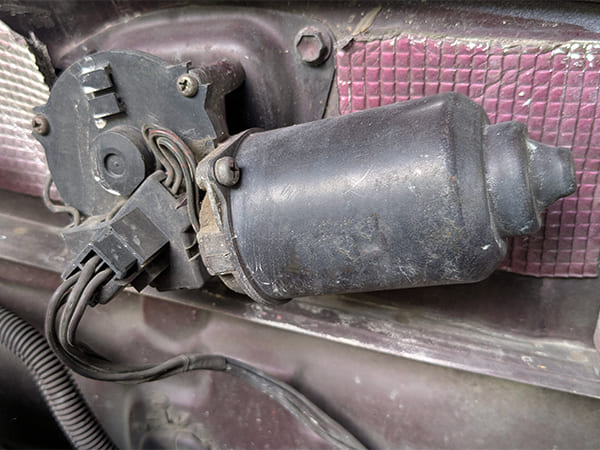
The wiper motor in your Acura drives the windshield wiper arms through a linkage or transmission assembly. It receives electrical input via the wiper switch and relay system, rotates a small arm, and that motion is transferred through linkage to sweep the wipers across the windshield.
In Belleview, FL, where afternoon thunderstorms are common, and high humidity and heat can affect electrical systems, a properly functioning wiper motor is more than convenience—it’s a safety system. If it fails while driving through heavy rain, visibility may degrade quickly.
How Wiper Motor Problems Start and What to Watch
Electrical faults
- A blown fuse, faulty wiring, a bad relay, or a failed motor wind‑up can stop or slow your wipers.
Mechanical wear & linkage issues
- Even if the motor “runs,” the linkage or pivot might be seized, lengths of plastic bushings may fail, or the gear could strip—resulting in erratic wiper movement or non‑parking.
Environmental stress specific to Belleview
- In Belleview’s climate, heat + humidity can accelerate corrosion in the electrical connector or linkage pivots; leaves or debris from trees around local roads may clip the wiper mechanism; sudden downpours can put the motor under heavy load if the blades are worn or clogged, causing over‑current stress. This means a wiper motor issue may emerge faster here than in milder climates.
Step‑By‑Step Troubleshooting Process for Your Acura in Belleview
| Step | What to Check | What It Means / What to Do |
| 1. Symptom Intake | Note if wipers don’t move, move slowly, stall under heavy rain, or fail to park properly. Listen for humming, grinding, or whining sounds. | Helps identify if the problem is electrical, mechanical, or motor-related. In Belleview, consider if it happens after rain or after the car sits in the Florida heat. |
| 2. Visual Inspection Under the Hood | Remove the cowl panel and inspect the motor and linkage. Look for loose connectors, corrosion, water intrusion, or debris buildup. | Corrosion and moisture are common in humid climates—clean terminals and clear debris before deeper testing. |
| 3. Listen and Isolate Motion | Turn the wipers on. If the motor runs but the arms don’t move, it’s likely a linkage or stripped gear. If silent, suspect fuse, relay, or wiring. | Listening helps separate electrical vs. mechanical faults early in the process. |
| 4. Check Fuse, Relay & Wiring | Use a multimeter to verify voltage at the motor (around 12 V when the switch is active). | If power is present but the motor doesn’t turn, the motor has failed. No voltage? Trace fuse, relay, or switch wiring. |
| 5. Inspect Linkage & Mechanical Movement | Watch for erratic or uneven wiper arm movement. Check for stripped sockets, worn bushings, or broken linkage joints. | Mechanical wear often mimics motor failure—replace worn linkage components to restore motion. |
| 6. Test Under Load / Clean System | Clean blades, remove stuck debris, and refill the washer fluid. Test again under real conditions. | Florida pollen, debris, and grime can overload the motor—sometimes the “fix” is cleaning and retesting. |
| 7. Plan Repairs & Replacement | Replace fuse, relay, or wiring if electrical. Replace the motor if unresponsive. Replace linkage if mechanically worn. | Always choose corrosion-resistant parts suited for Belleview’s humid conditions for longer service life. |
Apply dielectric grease to wiper motor connectors and check seals after heavy rains or car washes. This helps prevent moisture-related shorts, which are common in Belleview’s wet season.
Why Fixing Acura Wiper Motor Problems Early Matters
- Improved visibility and safety: Rain can come fast in Belleview; fully operational wipers keep your windshield clear.
- Prevent secondary damage: A motor trying to work against stuck blades or bad linkage may overheat or burn out the circuit.
- Avoid increased repair costs: What might start as a noisy motor or slow wipers could escalate to full motor failure or even wiring damage.
- Better resale and reliability: A well‑maintained wiper system reflects overall vehicle care—useful when you go to sell or trade your Acura.
Real‑World Case Study: Acura MDX in Belleview
Vehicle: 2014 Acura MDX, Belleview resident uses city driving and occasional Ocala trips.
Symptom: Wipers failed to return to park position after rain; motor made a whining noise; wipers intermittently stopped.
Diagnosis: Technicians found corrosion at the motor connector (water intrusion), the motor gear was slightly stripped, and the linkage socket was worn.
Action: Replaced the wiper motor with the OE unit, cleaned and replaced the connector, and replaced the linkage socket. Also installed a heavier‑duty sealed connector to resist moisture.
Result: Wipers returned properly, no more whining, reliable performance even in heavy rain — owner’s visibility restored, and we avoided later wiring meltdown.
What the Data and Research Tell Us
- A technical blog on failure causes of wiper motors lists electrical faults (fuse/relay/wiring) and mechanical wear in bearings and internal gears as major failure drivers.
- An article on “common car wiper problems” specifically notes that motors can slow or fail when obstructed or worn, recommending professional inspection.
- For wiper systems, unplugged connectors, water intrusion, or high‑load conditions (heavy rain, stuck blades) pose a high risk of failure. In our local Belleview climate—where afternoons bring downpours and debris from oak/pine trees is common—that risk is elevated.
Final Fix: Keeping Your Acura Wipers Reliable in Belleview
Your Acura’s wiper motor isn’t just about comfort—it’s a key safety system, especially in Belleview, where sudden downpours and humid conditions put extra strain on electrical components. If your wipers hesitate, stop mid-swipe, or don’t return to the proper park position, those are early signs you shouldn’t ignore.
Following the troubleshooting steps above—inspecting for corrosion, checking fuses, and confirming linkage integrity—can help you avoid major visibility issues or motor burnout. Fixing a small problem early costs less and protects your safety.
If you suspect a wiper motor issue or just want to be sure before Florida’s storm season kicks in, schedule a full inspection with Gregg Smith Automotive. Their team knows Acura systems inside and out. Want more tips? Explore our expert articles on Acura maintenance and stay ahead of unexpected repairs.
Stay proactive, drive safe, and make sure your visibility is never compromised—rain or shine.
FAQs – Acura Wiper Motor Troubleshooting in Belleview, FL
Why are my Acura’s wipers moving very slowly in Belleview rainstorms?
Slow movement often means the wiper motor is under extra load—often from worn blades, linkage drag, or a weak motor under Florida’s humid stress.
My Acura’s wipers won’t stop in the right position—why?
The “park” position is managed by a switch inside the motor or linkage; when the park switch fails or the gear slips, the wipers may rest incorrectly.
How much does it cost to replace a wiper motor on an Acura in Belleview?
Cost varies with model and labor region; parts may range $100‑$300 plus labor, especially if the connector or linkage also needs service (labor may be higher in Florida).
Can I keep driving my Acura in Belleview if the wiper motor is failing?
Technically yes, but it’s risky—visibility may be compromised during sudden rain or storms common in Belleview. Safe visibility matters.
How often should I inspect the wiper motor system on my Acura in Belleview?
At least annually—especially before the rainy season or after heavy use. Inspect blades, linkage, and motor connector for corrosion or wear.