

That moment when your Toyota engine starts acting funny? Yeah, it can really throw a wrench in your day, especially when you depend on your car every single day to get around Belleview, FL, whether it’s for the daily grind, running important errands, or escaping for a fun weekend trip. Look, Toyotas have this amazing reputation for being incredibly reliable, practically bulletproof. But let’s be real—even the toughest engines can eventually show their age and develop a few hiccups. So, we put together this complete guide to help you figure out what’s going on, identify the signs, and understand those Toyota engine troubles, giving you the confidence to deal with the problem head-on and get things sorted out fast.
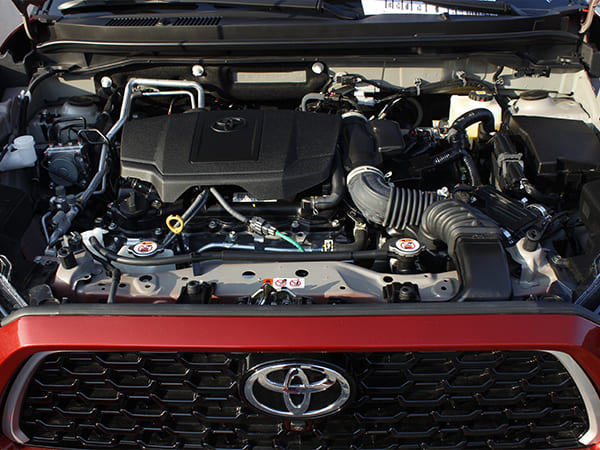
Why Engine Troubleshooting Matters
Your engine is the heart of your vehicle. Ignoring warning signs can lead to more costly damage, reduced fuel economy, and even safety concerns down the road. Early diagnosis helps protect your investment and keeps you safe on Florida’s roads.
- Avoid Major Repairs: Addressing small issues quickly—like a strange noise or an illuminated check engine light—prevents them from escalating into catastrophic failures requiring expensive engine overhauls or replacements.
Common Toyota Engine Symptoms to Watch For
Here are the most typical warning signs that something may be amiss under the hood:
1. Check Engine Light Illuminates
One of the first indications of a problem is the check engine light on your dashboard. It can mean anything from a loose gas cap to a serious engine misfire.
- Steady light: often less urgent but still needs inspection.
- Flashing light: indicates a potentially serious condition like a misfire—stop driving and get it checked.
Modern vehicles store engine trouble codes that a diagnostic scanner can read to pinpoint the issue.
2. Unusual Noises
Noises like tapping, knocking, or whining can signal:
- Engine knock – often caused by incorrect air/fuel mixture or poor fuel quality.
- Ticking or rattling – could be low oil or worn internal parts.
3. Poor Performance or Rough Idling
If your Toyota hesitates, stalls, or has rough idle:
- Fuel system issues (e.g., clogged injectors, weak fuel pump).
- Ignition issues (worn spark plugs or coils).
- Air intake problems like a dirty Mass Air Flow (MAF) sensor.
4. Overheating
Engine overheating can result from cooling system faults:
- Low coolant level
- Faulty water pump or thermostat
- Head gasket issues
A blown head gasket often causes white smoke from the exhaust and rapid coolant loss.
Step‑by‑Step DIY Engine Troubleshooting
These steps can help you narrow down potential causes before visiting a mechanic:
1. Check Engine Codes
A basic OBD-II scanner can read engine codes and point you to the subsystem causing trouble (e.g., ignition, fuel, emissions).
Common codes include:
- P0300 – Misfire
- P0101 – MAF sensor problem
- P0420 – Catalytic converter/performance issues
2. Inspect Visible Engine Components
Look for:
- Loose or damaged gas cap (simple fix!)
- Worn spark plugs
- Dirty air filter or vacuum leaks
Even small issues can affect performance and trigger warnings.
3. Check Fluids & Filters
- Engine oil – low or dirty oil can cause sludge and wear.
- Coolant – low levels indicate leaks.
- Fuel filter – a clogged filter reduces engine efficiency.
4. Look for Overheating or Smoke
Smells and smoke are diagnostic:
- Blue smoke – burning oil (possible piston ring or valve seal wear).
- White smoke – coolant in combustion (possible head gasket).
- Sweet steam smell – coolant leak.
Common Toyota Engine Problems (What Owners Often See)
Understanding typical issues can help you recognize symptoms faster:
Excessive Oil Consumption
Especially in older Toyota engines, worn piston rings or valve stem seals can cause the engine to burn oil more rapidly than normal, leading to low oil levels and potential engine wear.
Fuel Pump or Fuel System Failures
Newer models, including certain popular SUVs and trucks, have reported fuel pump issues that can lead to stalling, poor acceleration, or a complete no-start condition.
Sensor Failures (Oxygen, MAF)
Faulty oxygen or Mass Air Flow (MAF) sensors can throw off the critical air–fuel mixture balance, causing rough idling, poor performance, reduced fuel economy, and increased harmful emissions.
Head Gasket & Overheating
Particularly in high-mileage or poorly maintained engines, a compromised head gasket can lead to coolant leaks, severe overheating, and irreversible internal engine damage.
Belleview, FL — Local Driving & Engine Care Tips
Florida’s heat and frequent short trips can exacerbate engine issues:
- High temperatures increase stress on cooling and electrical systems.
- Driving in stop‑and‑go traffic can worsen issues like sensor faults or misfires.
Pro tip: Regularly schedule multi‑point inspections especially before summer or winter travel months.
Maintenance = Prevention
Following Toyota’s recommended maintenance schedule—like oil changes, tune‑ups, and filter replacements—is the most effective way to avoid engine problems. Regular servicing keeps sensors calibrated, combustion clean, and engine systems balanced.
Keep Your Toyota Running Smoothly
Understanding your Toyota engine symptoms and performing basic diagnostics can save you time and money. However, when the problem goes beyond simple checks, a professional look‑over makes all the difference.
For expert Toyota engine diagnosis and repair in Belleview, FL, trust the experienced team at Gregg Smith Automotive to pinpoint issues quickly and get you back on the road safely.
Ready to diagnose your Toyota’s engine issue? Schedule an appointment with Gregg Smith Automotive today!
Frequently Asked Questions (FAQs)
What should I do if my Toyota’s check engine light comes on?
Use an OBD-II scanner to check the trouble codes or visit a mechanic for a professional diagnosis.
How can I tell if my Toyota engine is overheating?
Look for a rising temperature gauge or smoke/steam coming from the engine.
What are the most common engine problems in Toyota vehicles?
Common issues include excessive oil consumption, fuel pump failure, and faulty sensors.
How often should I change my Toyota’s engine oil?
Typically every 5,000 to 10,000 miles, depending on your vehicle and oil type.
Can I diagnose Toyota engine issues myself?
Yes, for simple issues like checking codes or inspecting fluids, but seek professional help for complex problems.