

Your Toyota needs a healthy timing belt to keep the engine valves and pistons from crashing into each other. Old parts eventually break down and can totally wreck your motor. Is your Toyota due for a new timing belt? We look at the red flags that suggest it is time for a change. This walkthrough covers the replacement basics so Belleview car owners can keep their engines running smooth.
What Is a Timing Belt?
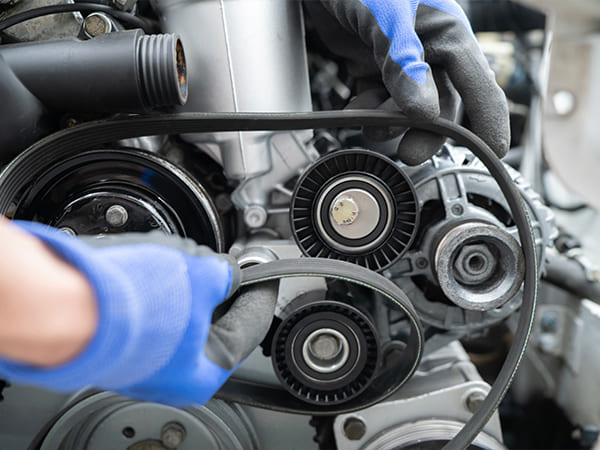
The timing belt is a rubber or composite belt that plays a crucial role in ensuring the proper operation of your engine.It ensures the camshaft and crankshaft rotate in sync, guaranteeing the engine valves open and close precisely when needed. This precise timing is necessary for proper combustion and to keep your engine running smoothly.
Without a functioning timing belt, your engine will not operate correctly, which can lead to poor performance, misfires, or severe engine damage. Some engines even have interference designs, where if the timing belt breaks, the pistons can strike the valves, resulting in expensive repairs.
When Should You Replace Your Toyota’s Timing Belt?
Plan to replace your Toyota timing belt once you hit the 60,000 mile mark. Some cars last until 100,000 miles depending on the production year. Check your glovebox manual to get the right facts for your specific car. Replacing the timing belt on time is essential for avoiding significant engine damage.
Warning Signs That Your Timing Belt Needs Replacement
If you haven’t replaced your Toyota’s timing belt yet or you’re unsure of its condition, look out for these signs:
- Engine Misfires. A worn-out or damaged timing belt can lead to the engine’s timing becoming off, resulting in engine misfires. If your Toyota is sputtering or having trouble starting, the timing belt may be to blame.
- Unusual Engine Noise. If you hear a ticking, clicking, or squealing sound coming from the front of your engine, it could be a sign that the timing belt is loose or damaged. These sounds often indicate the belt is starting to wear down and should be checked immediately.
- Oil Leaks from the Timing Belt Area. Sometimes, oil leaks can occur near the timing belt. This happens when the timing belt cover or seals become damaged. If you notice oil spots in your driveway or under your car, it might be worth inspecting the timing belt.
- Poor Engine Performance. If you notice a decrease in engine power or poor acceleration, the timing belt might be slipping or not performing as it should. This can cause a loss of power, affecting your driving experience.
- Visible Cracks or Wear. If you have the opportunity to inspect the timing belt, check for any visible cracks, glazing, or wear. A cracked timing belt is a major red flag and should be replaced immediately.
The Process of Timing Belt Replacement
Replacing a Toyota’s timing belt is a detailed process that requires precision and expertise. Here’s what you can expect during a timing belt replacement:
- Inspection
A qualified technician will inspect the timing belt and surrounding components, including the tensioner, pulleys, and water pump (if applicable). The timing belt will be checked for visible damage or wear.
- Disassembly
The technician will remove various components around the timing belt, such as the timing cover, water pump (if necessary), and any other parts blocking access to the belt.
- Belt Removal and Replacement
Once the area is clear, the old timing belt is carefully removed, and the new one is installed. Proper tension and alignment are critical to ensure the timing is accurate and the belt works correctly.
- Reassembly and Testing
After the new timing belt is installed, the technician will reassemble the engine components and perform tests to ensure everything is functioning properly. The engine will be checked for any unusual noises or performance issues.
Benefits of Timely Timing Belt Replacement
Replacing your Toyota’s timing belt at the recommended interval offers several benefits:
- Prevents Engine Damage
A broken timing belt can cause severe engine damage. Replacing it on time helps avoid costly repairs like bent valves, damaged pistons, or even a destroyed engine.
- Improves Engine Performance
A new timing belt ensures your engine runs efficiently, with proper timing for combustion. This leads to smoother performance, better acceleration, and improved fuel efficiency.
- Saves You Money in the Long Run
While replacing the timing belt may seem like an expense, it’s far cheaper than repairing or replacing an engine that’s been damaged due to a failed belt. By staying on top of timing belt replacements, you can save thousands in potential repairs.
- Improves Vehicle Reliability
A well-maintained engine, including a new timing belt, helps ensure your Toyota runs reliably for years, providing peace of mind on the road.
Supporting Data: Why Timing Belt Replacement Is Critical
Experts at the National Institute for Automotive Service Excellence report that timing belt failure stands as a top reason for engine breakdowns. Old timing belts snap without any heads-up if you miss your service date. This mistake usually destroys the engine and leaves you with a massive repair bill. Follow the Toyota maintenance schedule for your drive belts. Replacing them now saves you from the nightmare of a dead engine.
Toyota records prove that old timing belts cause total engine breakdowns. You could end up paying for a full engine swap if you ignore the maintenance schedule. With Toyota’s reliable reputation for long-lasting vehicles, staying ahead of this maintenance item is key to preserving that longevity.
Ready for Your Toyota Timing Belt Replacement? Here’s What to Do
Swapping out a timing belt takes real mechanical skill and a steady hand. Our crew at Gregg Smith Automotive handles Toyota timing belt swaps with total precision. We have the right gear in Belleview to get your engine back in sync. We help keep your ride on the road. It does not matter if you hear a weird rattle or just need a routine checkup.
Your Toyota needs a fresh timing belt to stay healthy. Swapping it out before it snaps prevents your pistons from smashing into the valves. Stop by Gregg Smith Automotive if your belt is wearing thin. Our Belleview shop specializes in these vital repairs to keep your motor running smooth. Your car needs to last. Our pros check every part to keep your daily commute smooth and your weekend trips safe from breakdowns. Give us a call right now to get your timing belt swapped out.
Frequently Asked Questions (FAQs)
How do I know when my Toyota’s timing belt needs to be replaced?
Most Toyota models need a timing belt replacement every 60,000 to 100,000 miles. However, keep an eye out for symptoms like misfires, unusual engine noise, or poor acceleration, which can signal a problem.
What happens if I don’t replace my timing belt?
If the timing belt fails, it can cause serious engine damage, potentially costing thousands of dollars to repair. Timing belts should be replaced on schedule to avoid this.
Can I replace the timing belt myself?
Replacing a timing belt is a complex task that requires specialized tools and knowledge. It’s highly recommended to have a professional perform the replacement to avoid damaging your engine.
How much does a timing belt replacement cost for a Toyota?
The cost of timing belt replacement varies by model.
Can a timing belt last longer than 100,000 miles?
Although some timing belts can last a little over 100,000 miles, following the manufacturer’s specific recommendations is crucial to avoid potential belt failure. Replacing it on time is the safest option.