

Treat your Toyota’s engine like its heart; it needs fresh, clean oil for optimal performance and longevity. Knowing the right oil change interval is the most crucial maintenance step for enjoying many more miles on the Belleview roads.
This guide covers the manufacturer’s recommended oil change schedule and real-world factors that demand earlier service, such as driving in dusty conditions, frequent short trips, or excessive idling. We’ll explain how this simple, affordable service keeps your engine quiet, powerful, and running for the long haul.
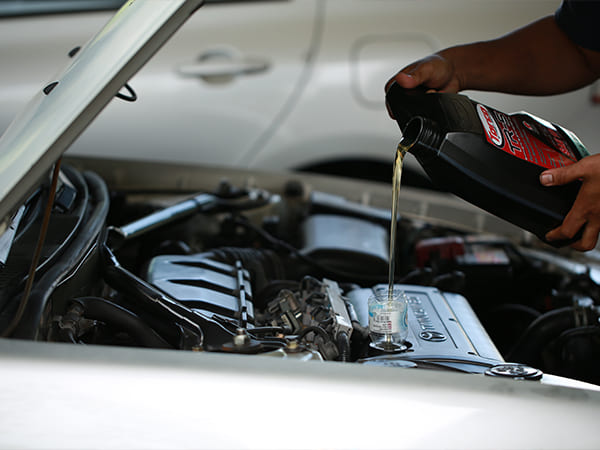
Why Changing Your Toyota’s Oil Matters
Think of your Toyota’s engine oil as its very lifeblood—it’s that important! It keeps all those hardworking moving parts slick and smooth, prevents things from getting too hot under the hood, and generally stops everything from grinding itself down. But just like anything, oil eventually gets old and loses its punch. Getting your oil changed when you should isn’t just a good idea; it’s the key to dodging major engine trouble, squeezing more miles out of every tank of gas, and keeping your ride feeling like new. It’s the simplest way to show your Toyota some love!
How the Oil Change Process Works
Getting your Toyota’s oil changed is a simple but important process. We drain out the old, dirty oil and put in new oil that’s just right for your specific vehicle. We also swap out the old oil filter for a new one, making sure only clean oil flows through your engine. Typically, depending on your Toyota model and the type of oil you use, the whole thing usually takes about 30 minutes to an hour.
How Often Should You Change Your Toyota’s Oil?
Toyota’s recommended oil change interval can vary depending on the model, year, and driving conditions. However, most modern Toyota vehicles require an oil change every 5,000 to 10,000 miles. Here’s a general breakdown:
- Every 5,000 miles: For cars using conventional oil or if you’re frequently driving in harsh conditions (such as stop-and-go traffic, extreme temperatures, or short trips).
- Every 7,500-10,000 miles: For those using synthetic oil, which lasts longer and can withstand higher temperatures.
Always refer to your Toyota’s owner’s manual for the most accurate recommendations.
What Can Go Wrong if You Miss an Oil Change?
Skipping oil changes or going past the recommended interval can lead to several issues, including:
- Increased Engine Wear: Old oil can’t properly lubricate the engine, leading to friction between engine parts, which can cause premature wear.
- Overheating: Oil helps cool the engine by reducing friction. Without fresh oil, the engine could overheat, potentially causing severe damage.
- Decreased Fuel Efficiency: A dirty, old oil filter can reduce fuel efficiency, as the engine works harder to operate.
- Potential Engine Failure: In extreme cases, failing to change your oil can result in a complete engine failure, requiring expensive repairs or replacement.
Signs That Your Toyota Needs an Oil Change
While sticking to the recommended schedule is the best way to avoid problems, there are a few signs that your Toyota might need an oil change before the recommended interval:
- Oil Pressure Warning Light: If this light comes on, it could indicate that your oil level is low or the oil is dirty.
- Unusual Engine Noises: If the engine starts making knocking or tapping sounds, it might be a sign that the oil isn’t properly lubricating the engine components.
- Exhaust Smoke: Dark exhaust smoke can indicate that the oil is burning and could mean your oil needs to be changed.
Best Practices for Oil Maintenance
To ensure your Toyota runs efficiently for years to come, consider these oil maintenance tips:
- Use the Right Oil: Always use the oil grade specified in your owner’s manual. Using the wrong oil can affect engine performance.
- Check Oil Levels Regularly: Make it a habit to check your oil level between changes, especially if you’re driving in extreme conditions.
- Replace the Oil Filter: Every time you change your oil, replace the oil filter to keep the oil clean and free from contaminants.
Impact of Delaying an Oil Change
Delaying an oil change can lead to a variety of risks:
- Higher Repair Costs: The longer you wait, the more damage you may cause to your engine. This could result in expensive repairs down the road.
- Increased Downtime: If your engine experiences problems due to old oil, it could cause unexpected downtime while your vehicle undergoes repairs, disrupting your daily routine.
- Decreased Safety: A poorly lubricated engine can lead to unsafe driving conditions, particularly if the engine overheats or fails.
Specific Considerations for Belleview, FL Drivers
Driving your Toyota in Belleview, FL, means facing that classic hot, humid Florida weather, which really puts a workout on your engine—especially when summer hits. Because that high heat can make your oil degrade quicker than you’d expect, keeping up with those regular oil changes isn’t just important here; it’s essential. If your daily drive involves a lot of sitting in traffic or those long hauls on the highway, you’ll definitely want to get that oil swapped out more often. The key to keeping your Toyota running smoothly in Belleview is always to keep an eye on your oil—both the level and how clean it looks.
Have Your Toyota’s Oil Changed by Experts
If you’re unsure about your Toyota’s oil change schedule or if it’s time for a check-up, consider contacting Gregg Smith Automotive. Our experienced technicians can inspect your engine, perform oil changes, and provide recommendations specific to your vehicle’s needs.
Frequently Asked Questions
How often should I change my Toyota’s oil?
It depends on your vehicle and driving habits, but typically every 5,000 to 10,000 miles. Refer to your owner’s manual for the best interval for your model.
Can I go longer than 10,000 miles between oil changes?
While some modern vehicles can go up to 10,000 miles with synthetic oil, regularly checking the oil’s level and condition is important. If you notice any issues like engine noise or a drop in performance, it may be time to change the oil sooner.
What happens if I don’t change the oil?
Neglecting to change your oil can lead to engine wear, overheating, poor fuel efficiency, and, in extreme cases, complete engine failure.
How do I know if I need an oil change?
Look for signs like the oil pressure warning light, strange engine noises, or dark exhaust smoke. If you’re unsure, have your vehicle checked by a professional.
Key Takeaways on Toyota Oil Change Schedule
Regular oil changes are critical to maintaining the health of your Toyota engine. Following Toyota’s recommended intervals ensures longevity, efficiency, and performance. Whether you’re driving in Belleview’s warm climate or enduring heavy traffic, staying on top of oil changes will prevent costly repairs and keep your car running smoothly for years to come.