

If you own a Acura and find yourself driving around Belleview, Florida — whether it’s a warm afternoon on SE Marion County Road 484 or a humid evening drop‑off near The Villages — having a properly functioning A/C system isn’t just a luxury. It’s a must. When your air conditioning starts acting up, it’s not only uncomfortable — it may indicate underlying issues that deserve attention. In this post, we’ll explore what common Acura A/C problems are, how to troubleshoot them, why addressing them sooner brings benefits, a real‑world case study from the Belleview area, technical support data, and answer key FAQs for local drivers.
What Does the A/C System in an Acura Do & Why It Matters
Your Acura’s air‑conditioning (A/C) system cools and dehumidifies the cabin by using a refrigerant cycle: the compressor pressurizes the refrigerant, it flows through the condenser and evaporator, absorbs heat, and expands to create cold air. When any part of that process fails, your cabin comfort — and sometimes system reliability — suffers. For Belleview drivers, with Florida’s high temperatures and humidity, a weak or failing A/C is more than a nuisance — it can become a safety or health concern.
Common Acura A/C Problems to Watch For
Here are the most frequent issues Acura owners report — particularly relevant in Florida’s climate and conditions.
Low Refrigerant / System Leak
One of the top symptoms: your A/C blows warm or lukewarm air when it should be cold. According to Acura service guidance: “When the A/C system blows warm air, it may be a sign of low refrigerant levels, a faulty compressor, or issues with the AC condenser.”
In Belleview’s heat, even a slight drop in efficiency becomes noticeable very quickly.
Compressor or Clutch Failure
If the compressor fails or the clutch that engages it doesn’t operate, the refrigerant cycle stops. On Acura forums, owners have reported cases where the compressor clutch won’t engage, leading to warm air and no visible cause.
Since the compressor is one of the more expensive components, detecting early symptoms is key.
Clogged Condenser or Expansion Valve (System Blockage)
Restrictions in the system — clogged condenser fins (especially near Florida’s salt‑air and pollen environment) or a stuck expansion valve — can make the system inefficient. One Acura forum user described: “The pressure of the suction side is very low and the high side very high — it usually indicates a blockage.”
Blocked airflow through the condenser reduces cooling efficiency dramatically.
Faulty Blend Door or Cabin Air Flow Issues
Sometimes the A/C system is fine — it’s the airflow distribution that fails. A stuck blend door, clogged cabin air filter or blocked vents cause weak airflow or no cold air where you expect it.
In Belleview, road dust and pollen can clog the cabin air intake more quickly than in other regions, contributing to this problem.
Electrical Issues, Relays & Sensors
A/C systems rely on electrical components like clutch relays, pressure sensors and wiring. One case explained how the A/C blower or compressor wouldn’t kick in due to relay or fuse issues.
Ignoring electrical faults delays repair and sometimes leads to more costly component damage.
Fix It Now, Save Later: A/C Repair Benefits
Handling A/C issues promptly offers important advantages:
- Improved comfort and safety: In Florida heat, a properly cooling cabin means less driver fatigue and better visibility (windows stay clear).
- Better system lifespan: A minor refrigerant leak today becomes a major compressor failure tomorrow. Fixing leaks early protects major components.
- Lower repair cost: Replacing a clogged cabin filter or repairing a leak costs much less than replacing a compressor or evaporator.
- Maintain value and reliability: If you plan on keeping your Acura for years around Belleview (including trips to The Villages or Ocala), a strong A/C system supports overall vehicle health and resale value.
Case Study: 2012 Acura TL A/C Repair in Belleview
A local Belleview driver brought in their 2012 Acura TL complaining that the A/C “took forever to blow cold and never got below mid‑70s even after ten minutes of driving.”
Diagnosis
- The cabin air filter was heavily clogged with pollen and debris from Florida’s spring bloom.
- The condenser had blocked fins near the front bumper, reducing heat dissipation.
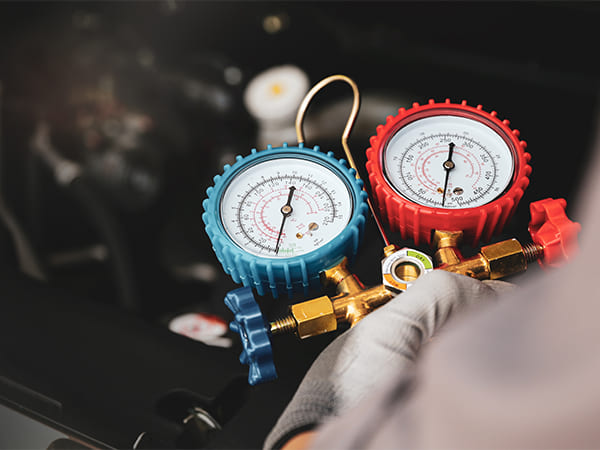
- The system showed low refrigerant pressure on the low‑side gauge; no visible major leak but small pinhole suspected.
- The compressor clutch engaged but displayed intermittent lag.
Repair Work
- Replaced cabin air filter and cleaned/straightened condenser fins.
- Evacuated the A/C system, located and repaired the small leak at the service port, then recharged refrigerant to factory spec.
- Checked compressor clutch operation and replaced a worn relay to ensure consistent engagement.
Outcome
After the repair, the driver reported the A/C reached cooling temperature within about 2 minutes on a 95° day. The blower fan remained consistent and the cabin felt noticeably more comfortable. The cost of repair was far less than what a compressor replacement would have cost.
Key takeaway: Addressing seemingly minor airflow and refrigerant issues led to a major improvement in performance.
What the Research and Forums Reveal
- One diagnostic guide indicates the most common cause for A/C systems not cooling is low refrigerant or leaks.
- In Acura forums, users in southern climates (like Florida or Arizona) noted longer cooling times and weaker A/C relative to cooler‑climate models — likely due to heat load and system design.
- Technical discussions highlight that even if A/C seems to work today, polluted cabin filters, blocked condenser fins, or small leaks reduce efficiency and increase strain on the compressor — leading to early failure.
Given Belleview’s warm, humid environment and frequent short trips (stop‑and‑go driving in local errands), you face elevated risk of A/C component deterioration. That makes routine inspection and early detection especially valuable.
FAQs for Belleview Acura Owners
What are common A/C problems in my Acura in Belleview, FL?
- Common issues include low refrigerant due to leaks, compressor or relay failure, clogged condenser fins from Florida pollen and salt air, and restricted cabin airflow due to a clogged filter.
Why does my Acura A/C blow cool air when I first start but warm air later?
- This can be caused by low refrigerant, a failing compressor clutch, or heat load exceeding system capacity. Florida’s high ambient temperature can make the difference more obvious.
How much does it cost to repair an Acura A/C in Belleview, FL?
- Costs vary widely depending on the fault. A cabin filter or airflow fix may cost under $200. A compressor or evaporator replacement can cost $1,000 or more.
Should I change the cabin air filter on my Acura even if cooling seems okay?
- Yes — a clogged cabin air filter reduces airflow, forces the system to work harder, and shortens component life — especially in Florida’s dusty, pollen‑rich environment.
Can I wait until the A/C fails entirely before getting it repaired in Belleview?
- It’s not recommended. Early intervention avoids major component damage, reduces repair cost, and improves comfort. Waiting increases the risk of compressor failure and high bills.
Take Control of Your Acura’s A/C
Your Acura’s air‑conditioning system plays a critical role in comfort and vehicle health — especially when you live in Belleview, FL, where heat and humidity test your system every day. By understanding the common A/C problems, performing regular checks (air filter, condenser fins, refrigerant levels), and acting early when you notice signs (warm air, weak airflow, odd noises), you can avoid costly repairs and stay cool.If you’d like to explore more on related topics — such as “how Florida climate affects vehicle A/C systems” or “best preventive maintenance for Acura comfort systems” — check out our other articles. When you’re ready for expert diagnostics or service on your Acura’s air‑conditioning, reach out to Gregg Smith Automotive for local, experienced support and care.