

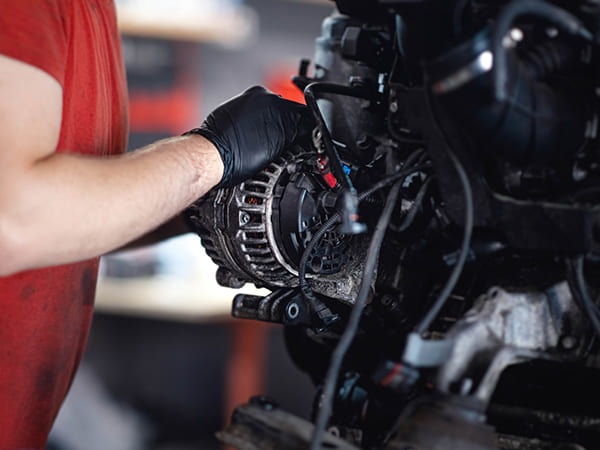
When your Acura’s electrical system starts acting up—dim headlights, a flickering gauge cluster, or a battery light that won’t quit—one of the first culprits to suspect is the alternator. In Belleview, FL, where humidity, heat, and constant electrical loads (A/C, speakers, navigation, sensors) stress your charging system, knowing how and when to replace the alternator is crucial. This guide walks you through everything you need to know—definitions, stepwise process, benefits, a local case study, and data-backed insights—to make an informed decision.
What Is the Alternator — And Why It Matters
The alternator is the engine-driven electrical generator in your vehicle. Once your Acura starts, it draws power from the battery, and then the alternator recharges the battery and supplies electricity to systems while the engine is running. Its key functions:
- Converts mechanical energy (via belt drive) into electrical energy (AC), then rectifies it to DC
- Maintains voltage typically between ~13.5 V and 14.5 V
- Charges the battery and powers your car’s electronics like lights, stereo, ECU, sensors
- Prevents overcharging or undercharging via its internal voltage regulator
If the alternator fails or degrades, your battery becomes the sole source of power, which it cannot sustain indefinitely. This leads to system malfunctions, stalling, or a car that won’t restart.
How to Diagnose a Failing Alternator (Signs & Tests)
Before jumping into replacement, it’s wise to verify that the alternator is at fault. Here are the common symptoms, tests, and caveats:
Common Symptoms
- Battery Warning Light: The dashboard indicator (usually a battery or “ALT/GEN” icon) stays on.
- Dimming or Flickering Lights: Headlights or interior lights dim at idle or low RPM.
- Electrical Glitches: Radio static, slow power windows, erratic instrument cluster, or weird sensor readings.
- Dead Battery / Frequent Jump‑starts: The battery discharges because it’s not being recharged adequately.
- Whining / Grinding Noises: Worn bearings or internal mechanical wear inside the alternator.
- Burning Smell: Overheating internal components, friction, or wiring insulation breakdown.
Verification Methods
- Voltage Test: Use a digital multimeter across the battery terminals while engine is off (should read ~12.5 V to 12.7 V). Then run the engine (idle, then rev to ~2,500 RPM). The reading should rise to ~13.5–14.5 V. If it stays low or spikes, the alternator or voltage regulator is suspect.
- Load Test: Turn on headlights, A/C, blower fan, rear defroster—if the voltage drops below ~13 V under load, alternator may not be holding up.
- Inspect Belt & Connections: A slipping serpentine belt, loose wiring, or corroded terminal can mimic alternator failure. Always eliminate belt/slip/wiring issues first.
- Check for Parasitic Draw: Sometimes battery drain comes from accessories or modules—not the alternator. Use an ammeter to test overnight draw.
If testing confirms alternator failure or marginal performance, replacement is the next step.
Alternator Replacement Process for Acura (Step by Step)
While specific Acura models may differ slightly (TL, MDX, RDX, etc.), the fundamental process is similar. Always refer to your service manual for torque specs. Here’s a generic step‑by‑step:
- Disconnect Battery: Always disconnect the negative terminal first to avoid electrical shorts.
- Remove Accessory Belt(s): Use a belt tensioner tool to relieve tension and slide belts off the alternator pulley.
- Disconnect Electrical Connectors: Usually there’s a main plug and a bolted power lead (often with a nut). Remove both carefully.
- Unbolt Alternator from Brackets: There are typically two or more mounting bolts. Remove fully, and support the alternator to prevent dropping.
- Remove the Alternator: Carefully extract it from the engine bay, avoiding damaging nearby wiring or hoses.
- Compare & Prep New Alternator: Confirm amperage rating, mounting ear alignment, electrical connectors, rotation direction, and case style. Swap over any necessary brackets or heat shields.
- Install New Alternator: Place into position and loosely install mounting bolts. Tighten them to spec in the proper order.
- Reconnect Electrical Leads: Reattach the main plug first, then the power lead, ensuring proper torque and wiring orientation.
- Reinstall Belt(s): Re‑tension the serpentine belt(s) to specification. Sometimes multiple belts must be set in correct routing.
- Reconnect Battery: Connect the negative terminal last.
- Test the System: Start the engine, recheck voltage, listen for abnormal noise, gradually apply electrical loads to confirm stability.
- Final Checks: Monitor for belt slippage, check for any codes via OBD scanner, and retest after a short drive.
A well-executed replacement often takes 1.5 to 3 hours, depending on engine layout, accessory complexity, and space constraints.
Warranty Considerations (Local Insight)
When replacing an alternator in your Acura, warranty terms can significantly impact long-term value and peace of mind. Here are key considerations:
- Part Warranty: Many new alternators come with manufacturer-backed warranties ranging from 12 months to lifetime coverage. Always confirm if it’s pro-rated or full replacement.
- Labor Warranty: Reputable shops often include a limited labor warranty—typically 90 days to one year—covering workmanship or installation-related issues.
- Core Return Policies: Remanufactured alternators often require you to return the old unit (“core”) to validate the warranty or receive a deposit refund.
- OEM vs Aftermarket: OEM parts may have more comprehensive warranty terms, while aftermarket options vary widely by brand.
- Shop Guarantee: Local Belleview shops may offer their own in-house warranty, separate from the part manufacturer, adding extra assurance for repairs done locally.
Before authorizing a replacement, always request written warranty details—both parts and labor—to ensure coverage clarity and avoid future disputes.
Benefits of Timely Alternator Replacement
Delaying alternator repair isn’t just an inconvenience—it can lead to:
- Preventing Battery Damage: A failing alternator can overwork or overcharge the battery and shorten its lifespan.
- Avoiding Electrical Failures on the Road: Sudden shutdowns, interior system failures, or dimming lights while driving present safety risks.
- Operational Efficiency: A sound charging system ensures accessories (A/C, infotainment, sensors) run smoothly.
- Protecting Sensitive Electronics: Overvoltage or voltage spikes from a failing alternator can damage modules (ECU, sensors, audio systems).
- Optimizing Resale Value & Reliability: A well-maintained electrical system adds to vehicle longevity and resale appeal.
Real‑World Case Study: Local Acura Owner in Marion County
John, a Belleview-area driver with a 2015 Acura RDX, noticed flickering interior lights, a weak radio, and a soft battery light at idle. A local shop diagnosed low alternator output (dropping to 12.1 V under load) and replaced the unit with a remanufactured part under a 12-month warranty. After a quick install and test drive, voltage stabilized at 14.2 V. By addressing the issue early, John avoided breakdowns and ensured reliable charging.
Local Context & Considerations in Belleview, FL
- Heat & Humidity Stress: Florida’s climate accelerates wear on electrical connections, insulation, and alternator internals—making preventive diagnosis more important.
- Shop Selection: Belleview offers independent shops (e.g. Martel Automotive, Gregg Smith Automotive) that focus on electrical and alternator work.
- Parts Availability: Demand for Acura-compatible alternators (OEM or high-quality remnants) may lead to waiting times; planning ahead helps.
- Diagnostic Rigor Matters: Given the complexities of modern electrical systems, ensure any shop in Belleview performs full load and voltage tests—not just visual checks.
- Core Return Fees: Many alternator suppliers include a core charge (i.e. deposit for returning your old unit) — confirm this in your quote.
Frequently Asked Questions (FAQs)
1. How long does an Acura alternator last in Florida’s heat?
Most Acura alternators last 7–10 years, but in hot climates like Belleview, FL, lifespan can be shorter due to added electrical and heat stress.
2. Can I drive with a bad alternator in my Acura?
Only briefly. A bad alternator can cause your battery to die quickly and lead to stalling. It’s best to get it checked ASAP.
3. Do all Acura alternators have built-in voltage regulators?
Yes, most modern Acura alternators come with integrated voltage regulators, making them a one-piece replacement.
4. What affects alternator lifespan in Belleview, FL?
High heat, humidity, short trips, and heavy electrical loads (A/C, lights, tech) all shorten alternator life in this region.
5. Are alternator warranties standard across all shops in Belleview?
No. Warranty terms vary by shop and part type. Ask for written warranty details before service—especially for remanufactured units.
Final Thoughts: Stay Ahead of Alternator Trouble
A reliable alternator is essential for keeping your Acura’s electronics, sensors, and battery performing at their best. Especially in Belleview’s hot, humid climate, early detection and timely replacement can save you from unexpected breakdowns and expensive repairs. Use this guide to understand the signs, confirm the diagnosis, and ask the right questions when you visit a local shop.If you’re experiencing electrical issues or just want peace of mind about your charging system, Gregg Smith Automotive is here to help. We also invite you to explore our blog for more expert tips on battery care, belt wear, and electrical system maintenance tailored to Belleview drivers.