

If you drive a manual‑transmission Acura around Belleview, FL, you know the clutch is more than just a pedal—it’s the critical link between your engine’s power and the transmission’s gears. The clutch kit (clutch disc, pressure plate, release bearing) must operate smoothly to let you shift gears, stop without stalling, and maintain control in heavy traffic or on hills. When the clutch fails, you might feel slipping, hear grinding, or lose drive altogether.
In Belleview’s warm climate, frequent stop‑and‑go traffic, hills near NE 19th Avenue and County Road 484, and occasional sandy or dusty roads can add wear to clutch components faster than in milder driving conditions. That makes understanding clutch repair, spotting symptoms early, and taking action essential for manual‑transmission Acura owners.
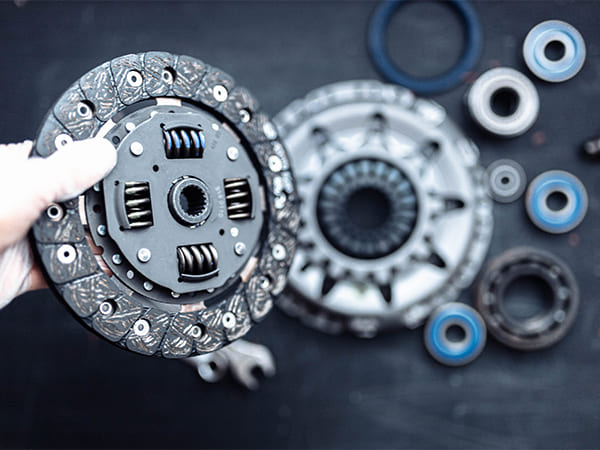
Key Signs Your Acura Clutch Needs Attention
Before diving into service, be alert to symptoms indicating clutch wear or impending failure. These signs help you gauge when to schedule repairs.
1. Clutch slipping:
Your engine revs go up while acceleration lags—common when the disc is worn or the pressure plate springs weaken.
2. Hard or rough shifting:
Sticky gear changes or need to force a gear may indicate a worn release bearing or misadjusted linkage. Supportive data: aftermarket clutch‑life discussions show many manually driven cars need clutch service within 50,000–100,000 miles.
3. “Soft” or high clutch pedal:
If the pedal becomes “touch‑and‑go” or gets high before biting, something is worn.
4. Strange noises:
Chirps, squeals, or grinding when you depress or release the pedal often point to a damaged bearing or misalignment.
5. Burnt smell after heavy use:
A faint burning odor after city driving or hill starts suggests excessive clutch disc heat and wear.
If you notice one or more of these in your Acura, especially after driving around Belleview or on shaded steep roads, it’s time to act.
Step‑by‑Step: How to Approach Acura Clutch Repair
Here is a practical, detailed outline to guide you through clutch repair for your Acura—whether you’re supervising the job or selecting a trusted shop in Belleview.
Step 1: Proper Diagnosis
- Check the clutch pedal free play and linkage condition.
- On a safe drive‑test, see if clutch slipping occurs under load (e.g., accelerating uphill near SE Hwy 441).
- Inspect the clutch fluid (for hydraulic systems) or cable condition, linkages.
- Retrieve any diagnostic codes—some newer Acuras monitor clutch systems or related transmission input sensors.
Step 2: Choosing the Parts
- Clutch Kit: Includes disc, pressure plate, release bearing. For Acura models, choose a kit rated for your driving style (city vs highway).
- Flywheel: If your flywheel shows heat spots or scores, replacement or resurfacing may be needed.
- Hydraulic Components: Slave cylinder, master cylinder, hoses in a hydraulic clutch system.
- Ensure all parts are compatible with your model (e.g., RSX, TL, Integra) and match torque specs.
Step 3: The Repair Process
- Remove the transmission for access (takes careful support and alignment).
- Replace the clutch kit, surface or replace the flywheel if needed.
- Install new pilot bearing (if used) and replace worn bolts.
- Adjust clutch linkage or bleed hydraulic system.
- Reinstall and torque bolts to factory specs.
- Road‑test, checking for slip, smooth shifts, proper pedal feel.
Step 4: Post‑Repair Verification
Drive your Acura through typical Belleview driving conditions—stop‑and‑go traffic, slight hills, parking maneuvers. Verify the clutch engages smoothly, no slipping under load, and pedal feel is consistent. If any odd behavior returns, revisit the repair for possible misalignment or installation issues.
Why Repairing Your Clutch Pays Off
- Better performance and control: A fresh clutch restores crisp gear changes and full power transfer.
- Improved safety: Worn clutch can delay gear shifts and hamper exit from intersections or hills.
- Cost savings: Early repair avoids more expensive damage—worn flywheel or damaged transmission input shaft.
- Local conditions matter: In Belleview, repeated short trips, humid conditions, and sandy side roads increase clutch stress. Proactive service keeps your Acura manual performing reliably.
Real‑World Case Study: Belleview Acura Clutch Rescue
A Belleview driver with a 2006 Acura RSX noticed the clutch pedal platform gradually climbing higher, and by the time they hit a steep section on NE 13th Street, the clutch slipped under power. At the service facility, the technician found a worn clutch disc with steel backing exposed, mis‑adjusted linkage, and a flywheel showing heat discoloration. The team replaced the clutch kit, resurfaced the flywheel, adjusted the linkage, and the car returned to smooth engagements and firm pedal feel. The driver now continues city and lakeside trips without hesitation.
Verified Data and Expert Insights on Clutch Lifespan
- Clutch lifespan varies widely: Some manual drivers report over 200,000 miles with proper technique and conditions, while others may need service under 40,000 miles if abused.
- According to a repair guide, “Some manual transmission clutches need to be replaced after 30,000 miles; others can last well over 100,000 miles depending on driving style.”
- One key wear factor: “Riding the clutch” (keeping partial pressure on the pedal) adds constant friction and dramatically shortens clutch life.
- Manual transmission and clutch problems often stem from wear and tear, improper driving practices, and poor maintenance.
Action Plan: Maximize Your Acura Clutch Life
- Use smooth starts and avoid revving excessively when shifting.
- Avoid resting your foot on the clutch pedal—use a foot‑rest instead.
- Engage the parking brake on inclines rather than holding the car with the clutch.
- Monitor clutch pedal height and engagement feel every service.
- Schedule inspection if you notice slipping, high pedal, or gear‑change issues.
Next Steps to Keep Your Acura Manual Healthy
If you drive a manual‑transmission Acura in the Belleview area, staying ahead of clutch issues means better reliability and confidence behind the wheel. If you’ve felt shifting issues or recognize clutch symptoms, get a proper inspection and consider clutch servicing before the problem escalates.
Ready for maintenance or clutch repair help? Visit or call the team at Gregg Smith Automotive for a thorough inspection and guidance on clutch‑kit replacement and manual transmission servicing.
FAQs: Acura Clutch Repair Answers
How many miles can an Acura clutch last in Belleview, FL?
With good driving habits and regular maintenance, many Acura clutches last 100,000–150,000 miles; however local stop‑and‑go use and hills may shorten that life.
Why does my Acura clutch slip only under heavy load or on a hill?
Slipping under load usually means the clutch disc is worn, the pressure plate is weak, or the flywheel has heat damage—common signs needing connection repair.
Can I replace an Acura clutch myself or should I go to a shop in Belleview?
Clutch replacement is a major job (removing the transmission, alignment, etc.). While DIY is possible for skilled owners, using a professional shop ensures correct installation and long‑term reliability.
What happens if I continue driving with a slipping clutch in my Acura?
Shoes slipping generate heat, damage the flywheel, increase wear on transmission bearings, and can lead to higher repair costs. Early repair avoids that.
Does Belleview’s climate affect my Acura clutch?
Yes—humid, warm conditions and frequent short trips stress clutch systems more than highway driving. Bath‑side humidity, sand, and warm evenings can accelerate wear, so periodic inspection is wise.