

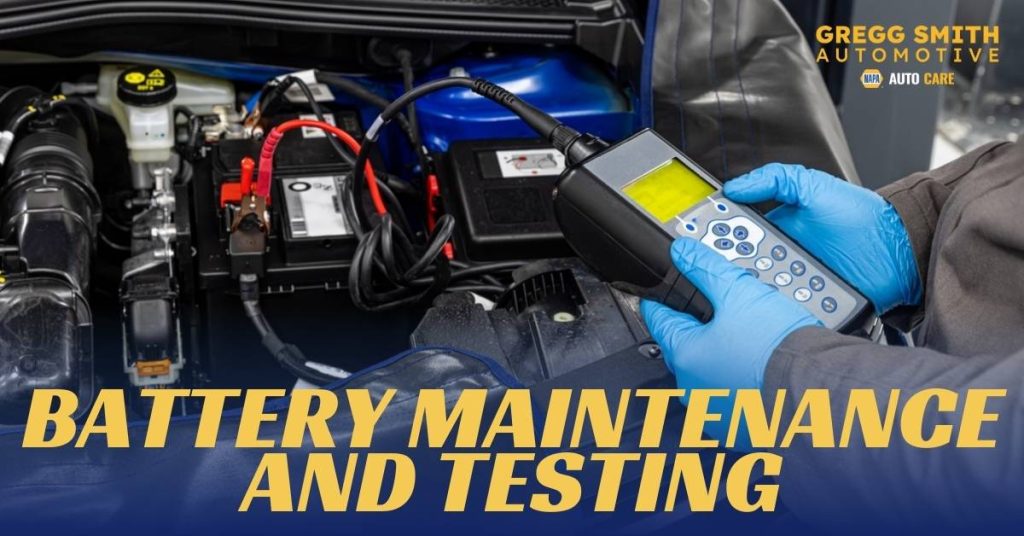
Your vehicle’s battery is one of its most critical components, providing the power needed to start the engine and operate electrical systems. Proper maintenance and regular testing can significantly extend the life of your battery, prevent inconvenient breakdowns, and ensure consistent performance. Despite its importance, battery care is often overlooked until a problem arises.
This guide explores the key aspects of battery maintenance and testing, from understanding how your battery works to identifying potential issues and implementing effective care practices.
Why Battery Maintenance Matters
The battery serves as the heart of your vehicle’s electrical system, supplying power to the starter, ignition, lights, and other accessories. A poorly maintained battery can lead to slow engine cranking, dim lights, and even complete failure, leaving you stranded at the worst possible time.
Regular maintenance helps prevent common problems such as corrosion, low fluid levels, and weakened charge capacity. It also ensures that your vehicle remains reliable, even in extreme weather conditions, which can significantly impact battery performance.
Signs of a Weak or Failing Battery
Recognizing the early warning signs of battery trouble can save you from unexpected breakdowns. Slow engine cranking is one of the most noticeable symptoms, indicating that the battery is struggling to provide enough power to the starter.
Dashboard warning lights, such as the battery or check engine light, may illuminate if the battery voltage drops below a certain level.
Corrosion on battery terminals, which appears as a white, green, or blue powdery substance, can interfere with the connection between the battery and the electrical system, leading to performance issues.
Frequent electrical problems, such as dim headlights, malfunctioning accessories, or a clicking sound when turning the key, often point to a weak battery.
Inconsistent performance, especially in cold weather, is another sign that your battery may be nearing the end of its lifespan.
Essential Battery Maintenance Tips
Keeping your battery clean is vital. Dirt and corrosion on the terminals can cause resistance, reducing the efficiency of the electrical system. Regularly inspect and clean the terminals with a mixture of baking soda and water to remove corrosion. Use a wire brush to scrub gently, ensuring a clean connection.
Check the battery’s fluid levels if it is not a sealed unit. Most batteries have transparent casings or removable caps, allowing you to inspect the electrolyte level. If it is low, top it up with distilled water, but avoid overfilling.
Ensure that the battery is securely mounted to prevent vibrations, which can cause internal damage. Check the hold-down clamps and brackets for tightness.
Inspect the battery cables and terminals for wear or damage. Replace frayed or corroded cables to maintain a reliable connection.
Park your vehicle in shaded areas during hot weather to prevent overheating, which accelerates battery wear. In colder months, consider using an insulated battery blanket to maintain optimal temperature.
How to Test Your Battery
Testing your battery regularly is essential to ensure it is operating at peak performance. Begin with a visual inspection, looking for signs of damage, leaks, or corrosion.
Use a multimeter to measure the voltage. A fully charged battery should read between 12.4 and 12.7 volts when the engine is off. If the reading is below 12.2 volts, the battery may need charging or replacement.
Load testing involves applying a load to the battery while measuring the voltage drop. This simulates the stress the battery experiences during engine start-up. A drop below 9.6 volts during a 15-second load test indicates a weak battery.
A battery hydrometer can measure the specific gravity of the electrolyte, indicating the state of charge. Consistently low readings suggest that the battery is unable to hold a charge effectively.
For a comprehensive assessment, visit a professional mechanic or service center equipped with advanced diagnostic tools. They can test the battery’s reserve capacity, cold cranking amps, and overall health.
Extending Battery Life
Driving regularly keeps your battery charged, as the alternator recharges it during operation. Short trips, however, may not provide enough time for a full recharge.
Turn off lights and accessories when the engine is not running to avoid unnecessary drain. This includes headlights, interior lights, and charging devices.
Avoid deep discharges by ensuring that the battery does not completely run out of charge. Deep discharges can significantly reduce a battery’s lifespan.
Invest in a trickle charger or battery maintainer if your vehicle will be parked for extended periods. These devices provide a consistent low-level charge, preventing the battery from discharging.
Replace your battery when it nears the end of its lifespan, typically three to five years, depending on usage and climate conditions.
Real-Life Examples of Battery Maintenance Success
A driver who routinely cleaned their battery terminals and used a trickle charger during long vacations extended their battery’s life by two years beyond its warranty period.
In another case, a fleet manager implemented monthly battery testing for company vehicles. This proactive approach reduced unexpected breakdowns by 40% and improved operational efficiency.
Your car’s battery is essential to its reliability and performance. Regular maintenance and testing help prolong your battery’s lifespan while preventing unexpected breakdowns and expensive repairs. By staying proactive, you can ensure that your vehicle starts smoothly, regardless of the conditions.
Take control of your vehicle’s performance by implementing these battery care practices today. For more expert tips and automotive insights, explore our related guides such as A comprehensive guide on when to rotate tires or subscribe to our newsletter for the latest updates.
FAQs About Battery Maintenance and Testing
How often should I test my car battery?
Testing your battery every six months is ideal, or more frequently if you experience performance issues or extreme weather conditions.
What is the average lifespan of a car battery?
Most car batteries last between three and five years, but lifespan varies based on usage, climate, and maintenance.
Can a battery die suddenly without warning?
Yes, especially if the internal components fail. Regular testing and maintenance reduce the likelihood of sudden failure.
Is it safe to clean battery terminals at home?
Yes, using a mixture of baking soda and water with a wire brush is safe. Wear gloves and eye protection during the process.
What causes corrosion on battery terminals?
Corrosion is caused by electrolyte leakage or chemical reactions between the battery post and terminal connector. Cleaning and applying a protective spray can prevent it.