

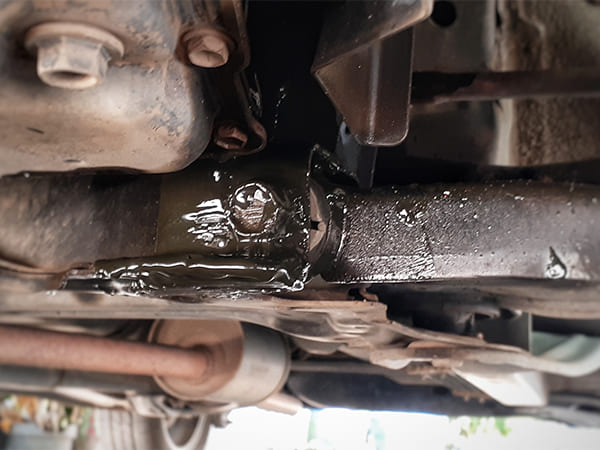
In Belleview’s hot, humid climate, your Acura’s engine seals, gaskets, and components face extra stresses. Over time, even minor weaknesses can allow oil to seep out. In this post, we’ll dig into the most common oil leak sources in Acura vehicles, explain how they develop, share a local illustrative case, offer prevention tactics tailored to our Florida environment, and answer your top questions.
Understanding Oil Leaks: What They Are & Why They Matter
An oil leak happens when engine oil escapes past a failing barrier—gasket, seal, fitting, or component interface. Even a slow drip is more than cosmetic: persistent leaks lower oil level, reduce lubrication, accelerate engine wear, and can damage underbody components or drip onto hot exhaust (a fire hazard). In humid or salty climates, leaked oil can attract grime or foster corrosion, compounding damage.
Because Acura engines (like many modern engines) run with tighter tolerances and thinner gaskets, even small failures can lead to noticeable leaks.
Where Do Acura Oil Leaks Usually Originate?
Below are the most frequent trouble spots for Acura oil leaks:
1. Valve Cover Gasket / Cover Bolts
The valve cover gasket seals the top of the engine where the camshafts ride. Over years of heat cycles and vibration, it can become brittle, shrink, or crack.
Leaking here often shows as oil seeping down the cylinder head, sometimes near the spark plug wells.
2. Oil Pan Gasket / Oil Pan Bolts
The oil pan gasket seals the oil pan to the bottom of the engine block. Road debris, overtightening, or gasket aging may cause leaks here.
You may spot oil puddles underneath the car or around the lower edges of the engine.
3. Oil Filter Housing Gasket / Oil Adapter
Especially in Acura TL and similar models, owners often report leaks at the oil filter housing gasket (sometimes called the VTEC housing gasket).
A failed gasket or bad seal here often leaks behind or underneath the filter area.
4. Oil Pump O‑Rings or Oil Pump-to-Engine Seal
Some Acura engines use an O‑ring or gasket at the junction between the oil pump and engine block. If deteriorated or wrongly installed, it may cause leaks that trickle down near the oil filter or on the firewall side.
5. Camshaft / Crankshaft Seals
The rotating shafts in the engine require seals. Over time, these seals can harden, become brittle, or be damaged, allowing oil to leak at the front (timing cover area) or rear (rear main seal) of the engine.
6. Loose or Damaged Drain Plug / Oil Filler Cap
A loose or cross-threaded oil drain plug, or a failing washer, can allow oil to drip following an oil change. Similarly, a damaged or loose oil filler cap may spill oil when pressure builds or the engine vibrates.
7. Cracked or Damaged Oil Pan
Impacts from road debris, curbs, or corrosion over time could crack the oil pan, causing oil to leak.
Why Belleview, FL’s Climate Makes Leaks More Likely (and Worse)
- Heat cycles: Frequent high daytime temperatures accelerate the aging of rubber, gaskets, and seals.
- Humidity and moisture: Condensation and moisture can seep into seal edges, erode adhesives or soft materials.
- Salt and airborne contaminants: Though Belleview is inland, Florida’s general environmental salts and pollutants can dull or erode surfaces, making gaskets more prone to failure.
- Frequent short trips: In warmer climates, many drivers run shorter trips, which don’t let the engine fully heat up and can lead to more condensation inside the crankcase; over time, trapped moisture may degrade seals.
These factors mean even a borderline gasket might fail sooner in Belleview than in cooler, drier environments.
Real-World Example: Oil Leak Fix on a Local Acura
A Belleview resident brought in a 2012 Acura TLX complaining of oil spots under her driveway. Our mechanics traced the leak using UV dye and found traces concentrated behind the oil filter housing. After removing the housing, they discovered the gasket had dried and lost elasticity. Replacement with genuine OEM gasket and re-torquing cured the leak.
A secondary observation: the oil level had dropped about ¾ quart over several months — low, but not enough to trigger warning lights until later. Because she caught it early, interior engine damage was avoided.
This case underscores the importance of regular under-vehicle checks (especially after Florida storms) and prompt attention to even small puddles.
Preventing Common Acura Oil Leaks: Best Practices for Belleview Drivers
Here’s a set of proactive recommendations tailored to your locale:
✔ Use High-Quality Gaskets and Oils
Opt for OEM or premium-tier gaskets and seals. Use full synthetic oils rated for higher heat tolerance (e.g., 5W-30, 0W-30, or whatever Acura recommends for your model). In Florida, heat-tolerant oils reduce strain on seals.
✔ Proper Torque Specs & Re-Torque
Ensure bolts (valve cover, oil pan, filter housing) are torqued to factory specs. After initial run-in (a few heat cycles), re-check torque on major covers.
✔ Regular Inspections
At each oil change, inspect around the oil pan, valve cover, filter housing, and under the car. Use a mirror or inspection light to check for fresh oil tracks or drips.
✔ Use UV Dye / Leak Detection Tools
If a drip appears, inject a UV dye into the oil system. After a short drive, leaks glow under UV light, helping localize the source precisely.
✔ Replace Aged Seals Preemptively
On vehicles above 100,000+ miles or older than 8–10 years, proactively consider replacing major gaskets (like valve cover, oil pan) before failure.
✔ Keep Engine Bay Clean
Clean oil residue regularly — if a minor leak begins, accumulated grime hides it. A clean engine bay reveals fresh leaks immediately.
✔ Avoid Overfilling & Maintain Oil Level
Do not overfill—extra pressure can push oil past weak seals. Keep oil level within the recommended range.
✔ Drive Longer when Possible
Longer runs help fully evaporate condensation in the crankcase, reducing moisture-related seal stress.
Acura Leak Trends Backed by Real Data
Industry consensus identifies worn gaskets and failing seals as the top causes of oil leaks.
- In repair statistics for a 2022 Acura TLX, gasket or oil system failures dominate leak-related service visits.
- Online forums highlight filter housing gasket and oil pump O-ring failures as especially common across older Acura models.
- These insights match what local Florida shops consistently observe: leaky gaskets account for the majority of Acura oil leak repairs statewide.
Quick Reference: Leak Location → Symptoms
| Leak Location | Common Clue / Symptom | Likely Fix |
| Valve cover gasket | Oil on top of cylinder head, in spark plug wells | Replace valve cover gasket |
| Oil pan gasket | Puddle under front center of car | Drop pan, replace gasket / bolts |
| Filter housing gasket | Oil drips near oil filter, rear of engine | Replace gasket / housing |
| Oil pump O-ring | Leak near adapter or lower block | Replace O-ring / reseal interface |
| Rear main seal | Drips near transmission bell housing | Major repair, seal replacement |
| Cam/crank seals | Leak at front or rear of engine | Replace respective seal |
| Drain plug / filler cap | Drip right after oil change, around plug/cap | Tighten, replace washer or cap |
FAQs (Frequently Asked Questions)
1. Why is my 2005 Acura leaking oil only after driving in the afternoon heat?
Heat can expand worn seals or gaskets, making weak junctions leak under pressure. Also, warmer oil is thinner and slips past marginal seals more easily.
2. Can I drive safely for a while with a small oil leak in Belleview?
You can—but only for short distances and with frequent oil-level checks. Don’t ignore it: what starts as a small leak can worsen quickly in Florida’s conditions.
3. How much does it cost to fix an Acura oil leak in Marion County, FL?
Costs vary. A simple gasket or O-ring replacement might run a few hundred dollars. More complex jobs (rear main seal, oil pan removal) could reach $800–$1,500 or more depending on labor and parts.
4. Are there Acura models more prone to oil leaks?
Some of the older TL, TSX, and 3.5L V6 models often report oil filter housing gasket and oil pump seal issues in forums.
5. “Why does my driveway have brown spots only after Belleview’s rainy season?”
Heavy rain can splash dirt and debris into cracks under the car. During warm operation, slight oil weeping may drip out. The mixture of oil + water + dust forms brown stains. Keep your engine bay clean to help detect fresh drips.
Local Takeaways and Preventive Insights for Acura Owners
Acura oil leaks are rarely mysteries—they tend to come from predictable junctions. But in Belleview’s climate, aging rubber, moisture, heat cycles, and salt exposure accelerate failures. By combining vigilant inspection, quality parts, proper torque techniques, and proactive replacements, you can minimize the chances of leaks.
If you ever spot fresh oil under your car or notice your oil level creeping down, don’t wait. Catching a leak before it damages bearings or occurs at a critical seal can save you thousands.
For more insights into keeping your car in peak shape under Florida conditions, check our article on Florida-specific vehicle care and climate-driven maintenance tips.Ready for help? If your Acura is showing signs of a leak, or you’d like a professional check, reach out to Gregg Smith Automotive. We’d be glad to help you diagnose, repair, and prevent leaks—and point you to other helpful guides.