

The suspension system in your Toyota is one of the most crucial components for ensuring a smooth and safe ride. It absorbs shocks, keeps your tires in contact with the road, and enhances vehicle control. However, like any part of your car, the suspension system can face problems over time. In this post, we’ll walk you through the most common Toyota suspension issues, how to spot them, and how to fix them. If you’re in Belleview, FL, and want to keep your Toyota in peak condition, read on!
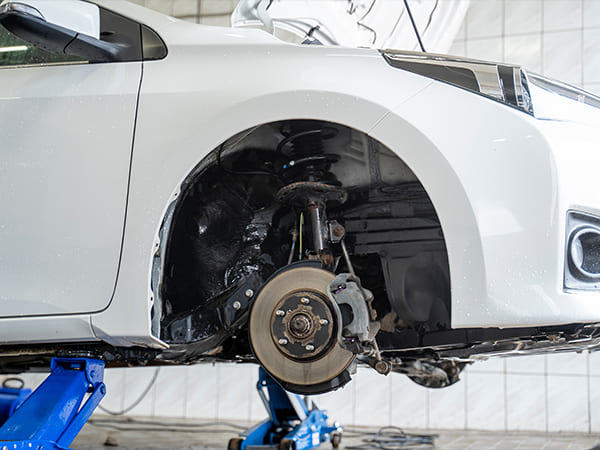
What Is the Suspension System?
You should get to know how your suspension actually functions before we look at what goes wrong. Shock absorbers and struts join forces with springs, control arms, and sway bars to build your car’s suspension. These components join forces to carry the car’s load, soak up road shocks, and keep your tires pointed straight.
Quality shocks and struts do more than soften the ride. They prevent sliding and help the brakes work better when you stop fast. A failing system turns a smooth trip into a vibrating mess. It makes the car hard to control and forces healthy components to wear down long before they should.
Common Toyota Suspension Problems
Now, let’s look at some of the most common suspension issues that Toyota owners in Belleview, FL, experience:
1. Worn-Out Shock Absorbers and Struts
Shock absorbers and struts are responsible for controlling the impact of bumps and maintaining ride stability. Over time, these parts can wear out due to regular driving and rough road conditions.
- Symptoms: A bouncy or shaky ride, poor handling, and uneven tire wear.
- Cause: Shocks and struts gradually lose their ability to absorb impacts, leading to reduced control and comfort.
2. Broken or Worn Springs
The springs in your Toyota’s suspension support the weight of the vehicle and absorb shocks from the road. If the springs break or wear down, they can cause the car to sag and affect the overall stability.
- Symptoms: A noticeably lower ride height, uneven tire wear, or a rougher ride.
- Cause: Over time, springs can lose their elasticity and crack or break under pressure.
3. Faulty Ball Joints
Ball joints connect the suspension to the wheels and allow them to move up and down smoothly. Worn ball joints can cause difficulty with steering and affect wheel alignment.
- Symptoms: Steering wheel vibrations, squeaky noises, and a feeling of looseness in the steering.
- Cause: Over time, the ball joints wear out, and the lack of lubrication or damage can lead to failure.
4. Broken Sway Bar Links
Sway bars help prevent body roll when turning by stabilizing the car. If the sway bar links break, the vehicle may feel more unstable during turns.
- Symptoms: Increased body roll, a bouncy feeling in turns, or a feeling of instability.
- Cause: Sway bar links break or loosen, leading to decreased stability.
5. Worn Control Arms
Control arms are essential suspension parts that connect the wheel to the frame. Worn or damaged control arms can affect steering alignment and handling.
- Symptoms: Uneven tire wear, difficulty steering, or a pulling sensation while driving.
- Cause: Over time, control arms can wear out due to constant movement and road stress.
6. Misaligned Wheels
Wheel misalignment can result from suspension damage or wear. When your Toyota’s wheels aren’t properly aligned, it can cause uneven tire wear, poor handling, and decreased fuel efficiency.
- Symptoms: The car pulls to one side, uneven tire wear, and a crooked steering wheel.
- Cause: Suspension misalignment can occur from driving over potholes, hitting curbs, or general wear and tear.
How to Diagnose Suspension Problems in Your Toyota
If you notice any of the symptoms mentioned above, it’s essential to get your Toyota’s suspension system checked. Here’s how you can diagnose potential suspension issues:
- Visual Inspection: Check for any visible damage, such as broken springs, leaking shock absorbers, or worn-out tires.
- Listen for Sounds: Pay attention to any unusual noises like squeaking, grinding, or clunking while driving over bumps or turning.
- Check the Ride: If the ride feels bouncy, uncomfortable, or unstable, it could be a sign of worn suspension components.
- Get a Professional Inspection: If you’re unsure about the condition of your suspension, it’s always best to have a professional mechanic in Belleview, FL, perform a thorough inspection.
Supporting Data: Suspension Issues in Older Vehicles
Data from a 2020 Car Care Council study shows that suspension trouble is a major headache for cars hitting that 100,000 mile mark. Data shows that 24% of motorists saw their suspension systems fail as the miles added up. Even though Toyota has a great reputation, they ranked among the top brands struggling with these specific mechanical issues. Routine shop visits prevent major suspension failures. By swapping out worn shocks and struts now, you keep your car stable and protect everyone inside the vehicle.
Rough local roads can beat up your Toyota. If you live in Belleview, checking your springs and bushings helps your car survive the uneven terrain. Local trails and shifting seasons take a heavy toll on your vehicle. You can expect to replace suspension components frequently due to the punishing dirt and rain.
Stay Ahead of Suspension Issues – Trust Gregg Smith Automotive
Your Toyota’s suspension system plays a crucial role in ensuring a smooth ride, good handling, and overall vehicle safety. By being aware of the common suspension problems, such as worn-out shocks, broken springs, and faulty ball joints, you can address these issues early and avoid costly repairs in the future. Regular inspections and maintenance are key to keeping your Toyota running at its best.
At Gregg Smith Automotive, we specialize in diagnosing and fixing Toyota suspension problems in Belleview, FL. Dealing with a rough ride, steering problems, or strange sounds? Our expert technicians provide reliable, high-quality suspension repairs to ensure your vehicle remains safe and drives smoothly. Contact us today to schedule your suspension inspection or repair!
FAQ: Common Toyota Suspension Issues
How do I know if my Toyota’s suspension needs repair?
If your ride feels bouncy, unstable, or if you hear squeaking or clunking sounds, your suspension may need attention. Uneven tire wear is another indicator.
Can I drive with a worn suspension?
It’s not advisable. Driving with a worn suspension can affect vehicle stability, handling, and safety, and may lead to further damage.
How often should I check my Toyota’s suspension?
It’s a good idea to have your suspension checked every 12,000 to 15,000 miles or during routine maintenance.
Can suspension issues affect my Toyota’s alignment?
Yes, suspension problems like worn control arms or ball joints can cause misalignment, affecting steering and tire wear.
How much does it cost to repair suspension issues in Belleview, FL?
Suspension repair costs vary depending on the specific problem and the parts that require replacement.