

In Belleview, FL, car batteries can be particularly vulnerable due to the extreme weather conditions that come with the region’s subtropical climate. High humidity, intense summer heat, and frequent thunderstorms can all contribute to early battery failure. Knowing how to diagnose the causes of a dead battery in this environment is crucial for keeping your vehicle running smoothly and avoiding inconvenient breakdowns. In this guide, we’ll explore common causes of dead batteries, how to identify them, and provide practical solutions specific to Belleview’s weather.
Common Causes of Dead Car Batteries in Belleview, FL
Belleview’s weather conditions can accelerate certain factors leading to a dead battery. Here are some of the most common causes:
- Extreme Heat: Belleview’s hot summers, often exceeding 90°F, cause battery fluid to evaporate, reducing battery performance. Over time, heat can degrade internal components, shortening the battery’s lifespan.
- High Humidity: High humidity, especially during the rainy season, contributes to corrosion on battery terminals and wiring. Corrosion disrupts electrical flow and leads to quicker battery drainage. Additionally, salty air from the Gulf Coast can speed up this process.
- Short Trips and Infrequent Use: Many Belleview residents rely on short trips, which prevent the battery from fully charging. This strain on the battery, particularly in hot weather, causes faster degradation and can lead to a dead battery.
- Faulty Charging System: A malfunctioning alternator or voltage regulator can prevent the battery from charging properly. In Belleview’s extreme temperatures, alternators are under constant strain, leading to premature failure even with a new battery.
- Leaving Lights or Electronics On: In Belleview, where air conditioning and headlights are frequently used in the heat, it’s easy to forget to turn off these systems. Leaving them on for extended periods drains the battery, eventually preventing the car from starting.
How to Diagnose a Dead Battery in Your Car
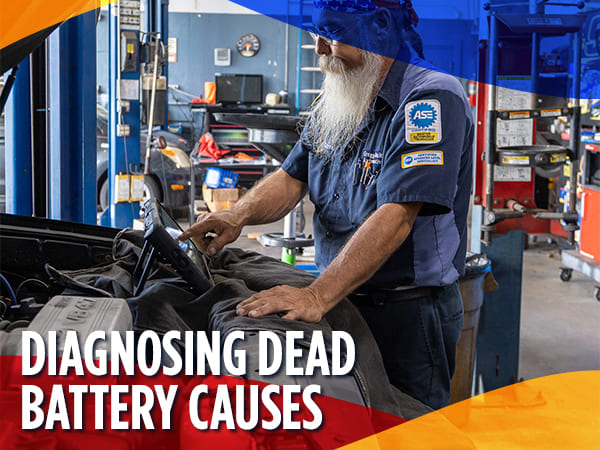
Diagnosing a dead battery is essential to determine whether the issue is the battery itself or something else in the electrical system. Here’s how to diagnose a dead battery in your vehicle:
Step 1: Check for Corrosion
Start by examining the battery connection points for any signs of corrosion, typically seen as a white, powdery residue. If you notice corrosion, it could be a sign that humidity and heat have caused the battery to malfunction. You can clean the terminals with a mixture of baking soda and water, but if the corrosion persists, the battery may need to be replaced.
Step 2: Inspect the Battery Charge
Use a multimeter to measure the voltage of the battery. A healthy battery should show a voltage between 12.6 and 12.8 volts when the car is off. If the reading is significantly lower, your battery is likely dead or near the end of its lifespan.
Step 3: Test the Alternator
Start the vehicle and measure the voltage again with the multimeter. The reading should now be between 13.5 and 14.5 volts if the alternator is charging the battery properly. If the reading is much lower or higher, it could indicate a faulty alternator or voltage regulator that’s preventing the battery from charging correctly.
Step 4: Perform the Headlight Test
Another quick test is to turn on the headlights and observe their brightness. If the headlights are dim, it could mean that the alternator is not charging the battery properly, or the battery itself is not holding a charge. If the headlights get brighter when the engine is revved, this points to a charging issue.
Case Study: A Belleview Resident’s Dead Battery During Hurricane Season
In 2020, a Belleview resident experienced a dead battery right before a major storm hit the area. The car had been sitting idle for a few days due to the high humidity and frequent rain showers. After checking the vehicle, the owner found significant corrosion on the battery terminals caused by moisture from the surrounding environment. Upon further investigation, it was revealed that the alternator had also begun to fail due to the heat stress from the summer months. The car’s battery was unable to fully charge, and the vehicle couldn’t start. After cleaning the corrosion and replacing the faulty alternator and battery, the car was able to run properly again. This case highlights how Belleview’s climate can contribute to battery failure through humidity and extreme temperatures.
Preventing Dead Battery Issues in Belleview, FL
To avoid the inconvenience of a dead battery, regular maintenance and attention to Belleview’s specific weather conditions can help. Here are some tips for preventing dead battery issues in the region:
1. Choose a Shaded or Covered Parking Spot
Whenever you can, park your vehicle in a garage or beneath a carport to shield it from intense heat and humidity. This will help prevent the battery from overheating or becoming corroded due to moisture in the air.
2. Check Battery Connections
Regularly check the battery terminals for corrosion, especially during the rainy season. Cleaning the terminals and ensuring they are tightly connected can help prevent electrical issues that might cause the battery to fail.
3. Drive Longer Distances
To ensure your car’s battery gets fully charged, try to take longer trips when possible. This allows the alternator to work efficiently, keeping the battery in good condition. If your car is only used for short trips, the battery may not get enough charge, leading to premature failure.
4. Replace Old Batteries Promptly
If your battery is over 3 years old and showing signs of weakening, it’s best to replace it before it fails completely. Belleview’s climate can accelerate battery wear, so replacing an old battery proactively can save you from being stranded in the heat or rain.
5. Monitor Your Electrical System
Have your alternator and charging system checked regularly, especially if you notice dim lights or electrical malfunctions. This can help identify problems with the charging system before they lead to a dead battery.
Conclusion
Diagnosing and preventing dead battery issues in Belleview, FL, is essential for keeping your car running smoothly, especially given the region’s humid and often harsh climate. By staying proactive with battery maintenance, regular inspections, and protecting your car from the elements, you can avoid the hassle and expense of a dead battery. Whether you’re dealing with corrosion, short trips, or a failing alternator, taking steps to care for your car’s battery will keep you safe and prepared for any situation.
Want more vehicle maintenance tips for Belleview’s climate? Explore other helpful guides to keep your car in top condition!
FAQs
1. How can I tell if my battery is dead?
A dead battery may show symptoms like dim headlights, an engine that won’t start, or electrical systems not functioning properly. You can also use a multimeter to test the voltage.
2. Can Belleview’s weather affect my car battery?
Yes, high humidity, salt from the Gulf Coast, and extreme temperatures can cause corrosion and accelerate battery wear, leading to failures.
3. How can I prevent my car battery from dying in Belleview?
Regularly inspect the battery terminals, park in shaded areas, and take longer trips to ensure the battery gets fully charged. Clean corrosion and replace old batteries promptly.
4. What should I do if my battery dies during a storm?
If your battery dies during a storm, check for visible corrosion on the terminals, and use jumper cables to jump-start your car if needed. If it doesn’t start, you may need to replace the battery.
5. How long does a car battery last in Belleview?
A car battery in Belleview typically lasts 3-5 years, but the region’s humidity and temperature extremes can shorten its lifespan. Regular maintenance and timely replacement can help extend its life.