

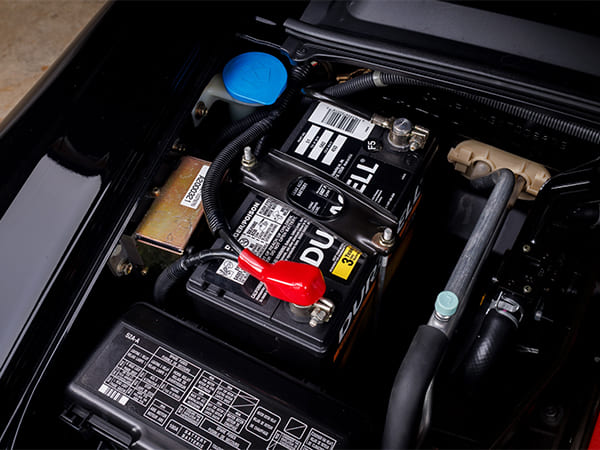
Did you know that electrical problems are one of the leading causes of unexpected vehicle breakdowns in Belleview, FL? For Honda owners, electrical issues can range from minor annoyances to serious, expensive repairs if not addressed in time. Whether your car won’t start, the dashboard lights flicker, or you’re dealing with malfunctioning power accessories, diagnosing the problem early can save you time and money.
In this guide, we’ll walk you through common electrical problems in Honda vehicles, how to diagnose them, and what steps you can take to fix them. By the end of this article, you’ll know how to troubleshoot electrical issues and keep your Honda running smoothly on Belleview’s busy roads.
What Are Common Electrical Problems in Honda Vehicles?
Electrical problems can affect a variety of systems in your Honda, from the ignition and battery to power windows and lights. Unlike mechanical issues, electrical problems often arise suddenly and can sometimes be difficult to diagnose without the right knowledge. Below are some of the most common electrical problems that Honda owners face.
1. Dead or Weak Battery
What it is:
A dead or weak battery is one of the most common electrical problems. It can prevent your vehicle from starting or cause intermittent power loss while driving.
Causes:
- Old or corroded battery
- Faulty alternator not charging the battery properly
- Parasitic battery drain from electrical components staying on
Symptoms:
- Car struggles to start or doesn’t start at all
- Dashboard lights flicker or dim when you try to start the car
- Electrical accessories (radio, lights, etc.) stop working
How to Diagnose:
Test the battery voltage with a multimeter. A healthy battery should have around 12.6 volts when the car is off. If it’s below 12 volts, the battery may be weak or dead.
Fix:
If the battery is old or damaged, it may need to be replaced. If the alternator is faulty, it will need to be repaired or replaced. Checking for parasitic drains and ensuring that electrical components are off when the vehicle is not in use can help prevent future battery issues.
2. Blown Fuses
What it is:
Fuses protect electrical circuits by breaking the connection when there’s a power surge. A blown fuse can cause various electrical problems, including malfunctioning lights, radio, or power windows.
Causes:
- Power surge or overload
- Faulty electrical components
- Short circuits in the wiring
Symptoms:
- Specific electrical components stop working (e.g., radio, lights, wipers)
- Warning lights on the dashboard related to electrical components
How to Diagnose:
Check the vehicle’s fuse box for any blown fuses. A blown fuse will typically have a broken filament or will appear discolored. You can use a fuse tester or multimeter to check the fuses.
Fix:
Replace the blown fuse with one of the same amperage rating. If the fuse blows again soon after replacement, it could indicate a more serious electrical problem, like a short circuit, that needs further investigation.
3. Malfunctioning Alternator
What it is:
The alternator charges the battery and powers the electrical system while the engine is running. A malfunctioning alternator can lead to battery drain and electrical failures.
Causes:
- Worn-out alternator belt
- Faulty alternator diodes or voltage regulator
- Physical damage to the alternator
Symptoms:
- Car battery warning light on the dashboard
- Flickering lights or dimming headlights
- Difficulty starting the vehicle after it’s been running for a while
How to Diagnose:
Measure the alternator’s output with a multimeter. A properly functioning alternator should generate a voltage between 13.8 and 14.5 volts. If the voltage is lower, the alternator is likely not charging the battery properly.
Fix:
If the alternator is faulty, it will need to be replaced. In some cases, replacing the alternator belt or the voltage regulator may be enough to solve the issue.
4. Malfunctioning Power Windows
What it is:
Power window problems are common electrical issues in many Honda models. These can range from slow-moving windows to windows that don’t move at all.
Causes:
- Faulty power window motor
- Damaged window switch
- Broken wiring or short circuits
Symptoms:
- Windows won’t go up or down
- Windows move slowly or make grinding noises
- Power window switch feels unresponsive
How to Diagnose:
Test the power window switch for continuity with a multimeter. If the switch is working, check the window motor and wiring for any damage or disconnections.
Fix:
If the power window motor is damaged, it may need to be replaced. If the switch or wiring is faulty, those components should be repaired or replaced.
5. Dashboard Warning Lights
What it is:
Dashboard warning lights can indicate various electrical problems, from battery issues to faulty sensors. Understanding what each light means can help diagnose the problem quickly.
Causes:
- Low battery voltage
- Faulty sensors or wiring
- Communication issues between the engine control unit (ECU) and sensors
Symptoms:
- Illuminated warning lights on the dashboard (e.g., battery light, check engine light)
- Reduced engine performance or functionality
How to Diagnose:
Use an OBD-II scanner to read the diagnostic trouble codes (DTCs) from the vehicle’s ECU. This can help identify the exact cause of the warning lights.
Fix:
Depending on the issue, solutions may involve replacing a faulty sensor, repairing damaged wiring, or addressing issues with the battery or alternator.
The Benefits of Diagnosing Electrical Problems Early for Your Honda Accord
Early diagnosis of electrical problems offers numerous benefits for Honda owners in Belleview:
- Prevents Bigger Issues: Addressing small electrical issues before they escalate can save you from more expensive repairs.
- Improved Reliability: Properly functioning electrical systems ensure that your Honda Accord runs smoothly, improving overall reliability.
- Enhanced Safety: Electrical issues can impact critical components like lights and sensors, so fixing them early ensures your vehicle remains safe to drive.
- Increased Longevity: Timely repairs can extend the lifespan of your Accord’s electrical components and keep your car running efficiently for years.
Real-World Case Study: A Belleview Honda Accord Electrical Problem
Last winter, a Belleview driver, Karen, brought her 2014 Honda Accord to a local service center after her car wouldn’t start. We quickly diagnosed that her battery was weak due to a faulty alternator not charging it properly. After replacing the alternator and the battery, Karen’s Accord started immediately, and the car’s electrical system began functioning normally again.
This case highlights the importance of diagnosing electrical problems early to avoid being stranded or facing more significant issues down the road.
Supporting Data and Insights
- Electrical Problems in Vehicles: According to AAA, nearly 10% of all car breakdowns are related to electrical system failures.
- Honda Accord Battery Lifespan: A well-maintained battery in your Honda Accord can last up to 5 years. However, environmental factors in Belleview, such as heat and humidity, can shorten its lifespan.
- Cost of Electrical Repairs: The average cost of diagnosing electrical problems can range from $50 to $100, with repairs costing anywhere from $150 to $1,500, depending on the severity of the issue.
Solve Honda Accord Electrical Issues Early with Trusted Repairs in Belleview!
Diagnosing and addressing electrical problems in your Honda Accord early can prevent costly repairs and ensure the long-term reliability of your vehicle. Whether it’s a dead battery, malfunctioning alternator, or dashboard warning light, diagnosing the issue quickly and effectively is key to maintaining your car’s performance.
If you’re facing electrical issues with your Honda Accord or need a routine inspection, the team at Gregg Smith Automotive in Belleview, FL is here to help. Our ASE-certified technicians specialize in diagnosing and repairing Honda electrical problems.
FAQs About Diagnosing Honda Electrical Problems in Belleview, FL
How can I tell if my Honda Accord’s battery is bad?
Look for signs like dimming headlights, slow engine cranking, or the battery warning light on your dashboard. You can also test the battery with a multimeter.
Why does my Honda Accord’s power window stop working?
This can be due to a faulty window motor, broken wiring, or a damaged window switch. A mechanic can inspect the system to pinpoint the cause.
What causes dashboard warning lights to come on?
Common causes include low battery voltage, faulty sensors, or communication issues with the vehicle’s ECU. Using an OBD-II scanner can help identify the issue.
Can electrical problems drain my Honda Accord’s battery?
Yes, electrical issues like parasitic drains from components left on or faulty alternators can drain the battery over time.
How much does it cost to fix electrical problems in a Honda Accord?
Repair costs can vary widely, but electrical system diagnostics typically cost between $50 and $100. Depending on the problem, repairs can range from $150 to over $1,000.
Don’t wait for an electrical issue to leave you stranded! Contact Gregg Smith Automotive in Belleview, FL today to schedule an inspection or repair. Let us help keep your Honda Accord running smoothly and reliably.
Get the latest tips and advice on Honda repair and maintenance, including Accord Suspension Troubleshooting Tips, from our expert articles.