

If you own an Acura and you’re noticing coolant puddles or overheating while driving around Belleview, FL, a coolant leak could be the culprit — and ignoring it could lead to costly engine damage. This guide explains what coolant leaks are, why they happen in Acuras, how you can detect and repair them, and what real‑world owners have experienced.
Why Coolant Is Crucial for Your Acura’s Engine Health
Engine coolant (antifreeze) is the fluid that circulates through your car’s cooling system to regulate the engine’s temperature. Whether you’re idling in the Florida heat or cruising through rural roads outside Belleview, coolant helps prevent overheating and protects engine components.
When there’s a leak, the coolant escapes — which reduces the fluid available to absorb heat. Without timely repair, this can cause overheating, engine damage, or even failure.
Where Do Coolant Leaks Usually Come From — Common Culprits
Coolant leaks in an Acura can stem from several parts of the cooling system. The most frequent trouble spots are:
- Hoses & Clamps:
- Rubber hoses transporting coolant between the engine, radiator, and reservoir can become brittle or cracked over time. Even a small crack can lead to leaks under pressure.
- Radiator & Radiator Cap:
- Damage — like a crack or corrosion — in the radiator can allow coolant to seep out. A faulty or worn radiator cap may also fail to hold pressure, leading to leaks.
- Water Pump:
- The water pump circulates coolant through the system. Worn seals or a failing pump can leak coolant near the front of the engine.
- Gaskets / Head Gasket (Internal Leaks):
- A blown or damaged head gasket — the seal between the engine block and cylinder head — can cause coolant to leak internally or mix with oil. This is a serious issue that often requires major repair.
- Coolant Reservoir / Expansion Tank:
- Cracks or leaks in the overflow tank or its connections can cause outside leaks, especially if the plastic deteriorates over time.
- Cracks or leaks in the overflow tank or its connections can cause outside leaks, especially if the plastic deteriorates over time.
How to Detect a Coolant Leak — What to Watch For
Before heading to a repair shop, there are several telltale signs you or any driver can use to identify a possible coolant leak:
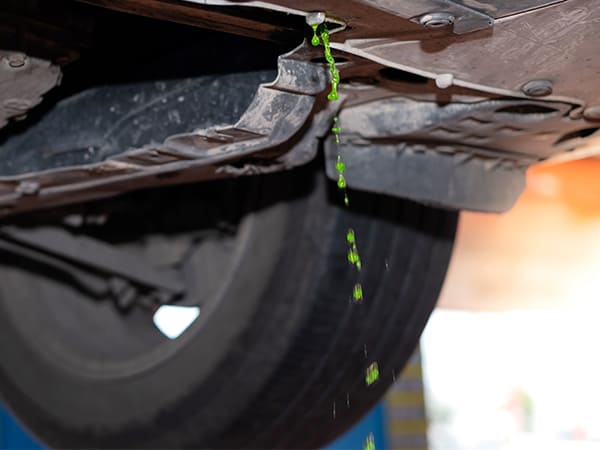
- Puddles under the Car: After parking, if you see a puddle of coolant (often colored green, pink, orange, or lime‑green) under your vehicle — that’s a clear warning.
- Frequent Low Coolant Levels: If you’re regularly topping off coolant in the reservoir, the system might be losing fluid somewhere.
- Sweet Smell or Steam Under Hood: Leaking coolant often smells sweet. Steam or visible leaks around hoses or the radiator area — especially after driving — are red flags.
- Engine Overheating / Temperature Gauge Rising: If the engine temperature climbs abnormally while driving, the cooling system may be compromised.
- White Smoke from Exhaust or Coolant in Oil: In cases of internal leaks (like a blown head gasket), coolant may enter combustion chambers or mix with oil — causing white smoke or a milky film on the oil dipstick.
Step-by-Step: How to Fix a Coolant Leak in Your Acura
Here’s a practical approach to diagnosing and fixing a coolant leak. Some steps you can do yourself — others may require a pro.
- Let the Engine Cool Completely
Always wait until the engine is cold before inspecting. Opening a hot radiator cap or poking around under the hood while hot could result in burns. - Visual Inspection of Hoses, Radiator, Reservoir, and Water Pump Area
Look for wet spots, cracks, bulges, or dried coolant residue around hoses, clamps, the radiator, and the coolant tank. If you spot damage — the broken part likely needs replacement. - Use a Pressure Tester or UV Dye (Optional but Helpful)
If the leak isn’t obvious, a pressure tester (or adding UV dye to the coolant and using a black light) can help pinpoint the leak’s origin. This method is more precise if the leak is small or slow. - Address the Problem Based on Where the Leak Originates
- Damaged hose or clamp → Replace the hose and tighten/replace clamps.
- Cracked radiator or reservoir → For minor cracks, a patch may temporarily hold; but replacement is often more reliable.
- Leaking water pump → Replace the pump and associated seals.
- Head gasket issue → This requires a full gasket replacement or possibly more extensive engine work; best handled by a skilled technician.
- Damaged hose or clamp → Replace the hose and tighten/replace clamps.
- Flush and Refill the Cooling System with Correct Coolant
Once repairs are done, flush out any contaminants, then refill with the coolant type and mixture specified by Acura for your model. This helps maintain cooling efficiency and prevents corrosion. - Test Drive & Monitor
After repair, take a short drive to warm up the engine, then re‑check coolant levels, look for leaks under the car, and watch the temperature gauge.
How Prompt Coolant Leak Fixes Prevent Expensive Repairs
- Avoids Overheating & Engine Damage: Without enough coolant, the engine temperature can rise dangerously fast — leading to warped heads, a cracked block, or worse.
- Prevents More Expensive Repairs: Fixing a hose or water pump is far cheaper than repairing a blown head gasket or a damaged cylinder head.
- Improves Longevity of Cooling System Components: Fresh coolant — free of contaminants — helps prevent corrosion, extending the life of radiator, hoses, and the water pump.
- Ensures Reliable Performance in Florida Conditions: In Belleview, FL’s warm climate, a healthy cooling system is vital — especially during hot, humid drives through Ocala‑area backroads.
Real‑World Case: Hidden Leak in a Belleview Acura TL
Jason, a Belleview local, noticed green fluid under his 2007 Acura TL and had to top off coolant every few days. A visual check showed no clear leak, so he brought it to a shop. Using a pressure test, techs found a small crack in the radiator’s lower tank — a common issue in older Acuras.
They replaced the radiator, flushed the system, and refilled it with the right coolant. After a week, no leaks or overheating. This simple fix solved a frustrating issue — showing how small, hidden leaks often need professional tools to uncover.
Quick Reference: Common Causes vs. Quick Fixes
| Cause of Leak | Typical Fix |
| Cracked rubber hoses / loose clamps | Replace hose, tighten/replace clamp |
| Radiator or coolant reservoir damage | Replace radiator/tank (or patch as temporary fix) |
| Worn water pump seal / failing pump | Replace water pump and seal |
| Faulty radiator cap / seal | Replace cap |
| Blown head gasket / internal leak | Major repair — gasket replacement or engine work |
Coolant Leak Fixes Done Right: Summary & Next Steps
Coolant leaks in an Acura can be caused by a variety of issues: worn hoses, cracked radiators, failed water pumps, or internal problems like a head gasket failure. The first step is always detection — notice puddles, coolant‑level drops, odd smells, or overheating. After locating the leak, replace damaged parts, flush the system, and refill with appropriate coolant. For subtle leaks or internal issues, tools like pressure testers or professional diagnosis are often needed. Quick action can prevent more costly engine damage and help your Acura stay reliable — especially driving in Belleview’s heat and humidity.
🔧 Ready to Keep Your Acura Cool and Reliable?
If you’re in Belleview and suspect your Acura might be leaking coolant — or simply want to ensure your cooling system stays in top shape — don’t wait. Reach out to Gregg Smith Automotive for a full cooling‑system inspection, repair, and maintenance plan. While you’re here, feel free to explore our other helpful guides on vehicle maintenance and upkeep.
Acura Coolant Leaks FAQs – Quick Answers for Belleview Drivers
1. How do I know if my Acura has a coolant leak or just water dripping from the AC?
Answer: Coolant leaks leave a colored puddle (green, orange, pink) and smell sweet, while AC condensation is just clear, odorless water — usually dripping behind the front wheels.
2. Is it safe to drive my Acura in Belleview with a coolant leak?
Answer: No — it’s risky. Driving with a coolant leak can quickly cause engine overheating and severe engine damage, especially in Florida heat. Have it checked ASAP.
3. Can I put water in my Acura if the coolant is low?
Answer: Only in emergencies. Water lacks the protective properties of coolant. Always refill with the recommended Acura coolant mix as soon as possible.
4. How often should I check coolant in my Acura if I live in Belleview, FL?
Answer: Check coolant monthly and before long drives. Belleview’s hot weather increases risk of overheating, so regular checks help prevent surprise leaks.
5. What are signs of a blown head gasket in an Acura?
Answer: Look for white smoke from the exhaust, milky oil, frequent coolant loss, and overheating. These signs suggest internal coolant leaks — get a professional inspection fast.