

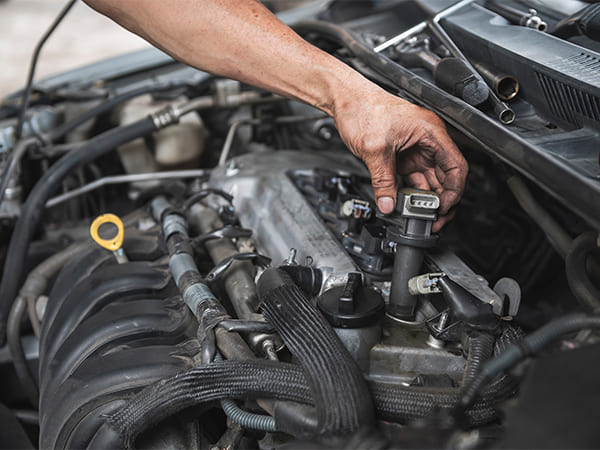
Did you know Florida’s heat and humidity can drastically reduce the lifespan of your car’s ignition coil—especially in Belleview? For Honda owners, this often means unexpected misfires, poor fuel economy, or a dreaded check engine light just when you need your vehicle most.
This blog dives deep into Honda ignition coil problems in Belleview, FL, outlining what causes them, how to spot the symptoms early, and how local shops are addressing them. We’ll also explore a real case study from a Belleview driver and share regional advice to help prevent future breakdowns.
Understanding Ignition Coils and Their Impact on Belleview Drivers
Ignition coils are essential for engine performance. They transform the battery’s low voltage into the high-voltage sparks needed to ignite fuel in your Honda’s engine. When a coil fails, it leads to engine misfires, rough idling, or worse—complete engine failure.
In Belleview, these components are especially vulnerable due to extreme heat, humidity, and stop-and-go traffic patterns. Locals often report higher-than-average coil failure rates in popular models like the Honda Civic, CR-V, and Accord.
How Belleview’s Environment Affects Ignition Coils
Climate & Corrosion
Belleview’s high humidity promotes moisture accumulation around the ignition coil. Over time, this moisture leads to corrosion of the coil’s internal windings and terminals.
Heat Stress
With summer temperatures frequently pushing past 90°F, engines endure serious thermal stress. This expansion and contraction can degrade coil housing and connectors faster than in cooler regions.
Local Driving Patterns
Frequent starts and stops along US‑441 and CR‑25 generate constant thermal cycling, another stressor that hastens coil failure. It’s a local condition many out-of-towners overlook but which Belleview drivers know all too well.
Common Symptoms of Honda Ignition Coil Problems
When your ignition coil starts to fail, your car will let you know. Watch for:
- Illuminated Check Engine Light (especially codes like P0301–P0306).
- Engine misfires during acceleration.
- Rough idle or difficulty starting.
- Poor fuel economy or sluggish performance.
- Occasional backfiring or jerky acceleration.
Ignoring these symptoms can lead to catalytic converter damage and even engine failure—making early detection crucial.
Step‑by‑Step Guide to Diagnosis & DIY Checks
Want to check it yourself before heading to a shop? Here’s a clear, beginner-friendly process to help you catch issues early and possibly save on labor costs.
- Use an OBD‑II Scanner – Plug into your vehicle’s OBD-II port and scan for trouble codes like P030X (cylinder misfire) or P035X (coil circuit malfunction). These codes can pinpoint which coil or cylinder is malfunctioning, giving you a solid starting point.
- Inspect Ignition Coils – Pop the hood and visually examine each coil. Look for cracks in the housing, burn marks, oil contamination, or rusty connectors, which are often signs of damage caused by Belleview’s high humidity and engine heat.
- Swap-Test Method – Suspect a specific coil? Move it to another cylinder and clear the codes. If the misfire code follows the coil to a new cylinder, you’ve confirmed the part is faulty.
- Use a Spark Tester or Multimeter – Use a spark tester to verify that each coil is producing sufficient spark. For deeper analysis, a multimeter can measure resistance and continuity to detect internal failures within the coil windings.
For best results, always replace Honda coils with OEM brands like Denso, NGK, or Honda-labeled components. While generic aftermarket options might cost less upfront, they frequently underperform and can lead to repeat failures—especially in Belleview’s tough driving conditions.
Local Case Study – Belleview Honda Civic Misfire
A 2016 Honda Civic owner from Belleview recently visited a local service center with a persistent misfire and blinking check engine light. Diagnosis showed coil pack #2 was failing, triggered by recent rainy weather and worn-out spark plugs.
Technicians replaced all ignition coils with OEM Denso parts and updated the spark plugs. The total repair cost came to $297, with the customer back on the road the same day. They later reported improved throttle response and better gas mileage—a win for Belleview drivers and reliable repairs.
Local Resources and Belleview‑Specific Considerations
When you’re dealing with ignition coil issues in Belleview, FL, having local, trusted resources makes all the difference. Here’s a cost expectation, and seasonal advice to keep your Honda running smoothly.
Cost and Warranty Expectations
According to RepairPal, ignition coil replacement in Belleview ranges from $227 to $335, including parts and labor. Most local shops provide a 12-month/12,000-mile warranty, offering peace of mind and cost-effective service.
Seasonal Maintenance Reminder
Belleview’s climate is tough on vehicles. With the rainy season starting in early summer, now’s the time to schedule a coil inspection or full tune-up. Moisture and heat can cause hidden damage—don’t wait until your Honda stalls during a storm.
Get Ahead of Ignition Coil Issues in Belleview
Honda ignition coil problems in Belleview, FL, are more common than you think—especially during the hot, humid months. Whether you drive a Civic, Accord, or CR-V, staying ahead of coil issues with routine diagnostics and quality parts will save you headaches and repair costs.
When in doubt, trust Gregg Smith Automotive, Belleview’s top-rated team of certified mechanics, to keep your Honda performing at its best.
Ignition coil issues strike? Rely on experienced shops like Gregg Smith Automotive for expert diagnostics, OEM-grade parts, and peace of mind. Schedule a checkup before the next heatwave hits—your engine will thank you.
Frequently Asked Questions (FAQs)
1. Can I drive with a bad ignition coil in my Honda?
Short-term, yes. Long-term, no. It leads to severe misfires, poor fuel economy, and possible engine damage.
2. How often should Honda ignition coils be replaced?
Typically around 100,000 miles, though in Belleview’s climate, it’s wise to check by 70,000.
3. What do codes like P0301 or P0352 mean?
These indicate a cylinder misfire or ignition coil issue on a specific cylinder (e.g., Cylinder 1 or 2).
4. Can using the wrong spark plugs ruin my ignition coil?
Absolutely. Non-OEM plugs can cause coil overheating or misfiring, especially in Hondas.5. What’s the average cost for coil replacement in Belleview?
Expect to pay between $227 and $335, depending on the shop and Honda model.