

Seeing an oil spot under your Honda is never a good sign, but how serious is it? Whether it’s a small drip or a growing stain, oil leaks are an issue that should never be ignored. In Belleview, where the hot, humid climate can add stress to your engine’s components, an oil leak could lead to bigger problems if left unchecked.
In this article, we’ll break down everything you need to know about diagnosing and fixing an oil leak in your Honda. From understanding the common causes to learning about the diagnostic process, we’ll explain why early intervention is key. You’ll also read a real-world example of how we helped a local Honda owner, plus valuable data on preventing oil leaks.
By the end of this guide, you’ll understand how to spot an oil leak, what’s involved in getting it fixed, and why it’s important to address the problem before it leads to costly engine damage.
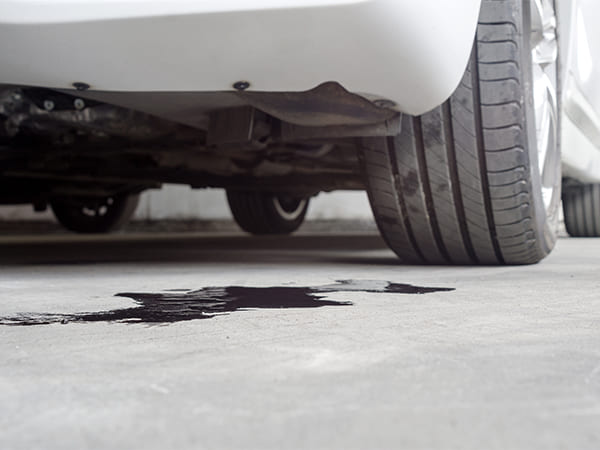
What is an Oil Leak?
An oil leak occurs when oil escapes from the engine, typically due to a faulty gasket, seal, or worn-out engine part. This can lead to low oil levels, which might cause engine parts to wear out faster, leading to potential damage or even engine failure if left untreated.
For Honda vehicles, the causes of oil leaks are similar to those found in other makes, but certain areas are more prone to failure:
- Worn or damaged gaskets and seals: Over time, seals and gaskets (like the valve cover gasket) can dry out or crack, allowing oil to leak.
- Loose or damaged oil drain plug: A faulty or loose oil drain plug can lead to slow oil leakage.
- Cracked engine block or oil pan: This is a more serious issue, but older Honda engines are more susceptible to cracks, especially in areas with extreme weather.
- Oil filter problems: If the oil filter isn’t properly installed or is faulty, it could cause oil to leak.
The first sign of an oil leak may be visible oil spots under the car or a noticeable decrease in oil levels. If you’re noticing either of these symptoms, it’s time to have your Honda looked at by a trusted professional.
The Process of Diagnosing and Fixing an Oil Leak in Your Honda
When you bring your Honda into a mechanic to address an oil leak, here’s what you can expect:
Step 1: Initial Inspection
The technician will begin by visually inspecting the vehicle. They’ll look for oil stains under the car and check the engine’s appearance for any signs of oil buildup, which could point to the leak’s source.
Step 2: Identifying the Leak Source
To pinpoint where the leak is coming from, the mechanic will likely clean the engine and let it run for a short period. This helps them track down the leak’s location by checking for any fresh oil stains.
Step 3: Detailed Diagnosis
Once the source is identified, the technician will examine the area for damage. They’ll check seals, gaskets, and the condition of the oil filter. If the leak is coming from the engine block or oil pan, a more extensive repair may be required.
Step 4: Repair
If the issue is something simple like a loose oil drain plug or a worn gasket, the repair will be quick and affordable. If the leak is coming from the engine block or oil pan, you may need to replace parts, which could take longer and cost more.
Step 5: Final Test
After the repairs, the technician will conduct a test to ensure that the oil leak has been properly fixed. They’ll run the engine and check for any remaining signs of oil leakage. Once confirmed, they’ll clean up the area, ensuring that all oil stains are removed and your vehicle is leak-free.
Why You Shouldn’t Ignore an Oil Leak
Addressing an oil leak on time is crucial for your Honda’s longevity and performance. Here are the top reasons why:
- Prevents Engine Damage: Running an engine with low oil can cause severe wear and tear. Oil lubricates the engine’s moving parts, and without enough oil, parts can overheat and seize.
- Improves Fuel Efficiency: Leaking oil can lead to engine inefficiency, as the system struggles to maintain the correct oil levels.
- Protects the Environment: Oil leaks contribute to environmental pollution. Fixing the issue promptly ensures that you’re not unknowingly harming the planet.
- Saves You Money: Small leaks are often easier and cheaper to fix, while large leaks or damage to key engine components can result in expensive repairs.
By addressing oil leaks early, you’re investing in your car’s long-term health and saving yourself from costly repairs down the line.
Real-World Case Study: A Belleview Honda Oil Leak Repair
A recent customer, a Belleview resident with a 2013 Honda Civic, came to us concerned about a noticeable oil leak under their vehicle. The customer had seen an oil spot in their garage and noticed the engine was running hotter than usual.
After inspecting the vehicle, we found that the valve cover gasket was worn out and causing oil to leak onto the engine. This was causing the oil to burn off, reducing the overall oil level. We quickly replaced the gasket and topped off the oil. After a final test, the engine was running smoothly again, and the oil leak was gone.
The customer was relieved to have the issue resolved before it could cause further engine damage, and they were happy with the affordable repair that saved them from a more expensive engine issue.
The Hidden Risks of Oil Leaks: Statistics and Prevention
According to a report by Consumer Reports, approximately 10-20% of vehicles experience oil leaks due to poor maintenance, aging parts, or wear and tear. Honda, being a reliable brand, generally experiences fewer oil leak issues, but components like the valve cover gasket and oil seals do require attention around the 100,000-mile mark.
A study by AAA shows that regular maintenance, including timely repairs for oil leaks, can increase a car’s lifespan by up to 50%. If you’re in an area with extreme weather conditions, like Belleview, where humidity and heat can accelerate gasket wear, it’s essential to stay on top of your car’s maintenance.
Frequently Asked Questions
1. How can I tell if my Honda has an oil leak?
Look for oil spots on your driveway or under your car, and check the oil level frequently. If the oil level is low but there are no other visible signs, an oil leak may be the issue.
2. Is an oil leak dangerous to my Honda’s engine?
Yes, running an engine with insufficient oil can cause it to overheat or suffer permanent damage due to friction between the engine components.
3. How long can I drive with an oil leak?
It’s best to get an oil leak repaired as soon as possible. Driving with a leaking oil system can cause the engine to fail due to low oil levels.
4. How much will it cost to fix an oil leak in my Honda?
The cost of fixing an oil leak depends on the severity of the issue. Minor fixes like replacing a gasket or oil filter are relatively inexpensive, while major repairs involving the engine block or oil pan can be more costly.
5. Can I fix an oil leak myself?
If you have the right tools and experience, some minor oil leaks (like those from an oil filter or drain plug) can be fixed at home. However, it’s usually best to consult a mechanic to prevent further damage.
Belleview’s Best Oil Leak Solution: Gregg Smith Automotive
An oil leak in your Honda might seem like a minor issue, but it can lead to much bigger problems if ignored. From engine damage to decreased fuel efficiency, addressing the issue early can save you time, money, and frustration. If you’re in Belleview and suspect an oil leak, it’s always best to have a professional diagnose and fix the issue promptly.
If you’ve noticed an oil leak in your Honda or suspect something might be wrong, don’t wait for the issue to worsen. Bring your vehicle to Gregg Smith Automotive in Belleview, where our experienced mechanics will quickly diagnose and repair the leak. Schedule an appointment today to ensure your Honda stays in top condition!
For more detailed Honda repair guidelines and expert tips, explore our additional blog posts on Honda maintenance and repair, including Timing Belt Replacement on Honda and Honda Battery Drain Causes, and more.