

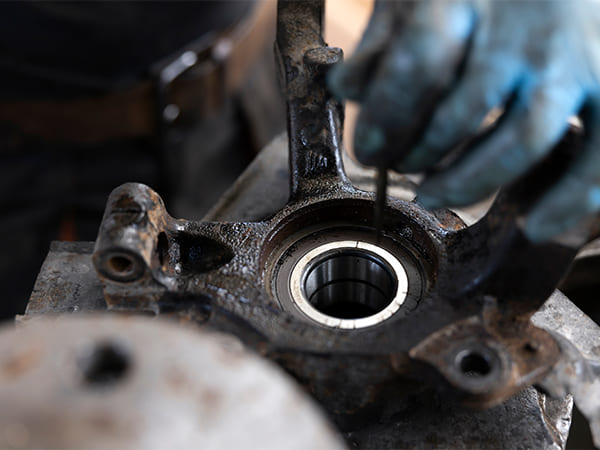
Did you know that faulty wheel bearings are one of the leading culprits behind unexpected breakdowns—especially on the uneven, pothole-prone roads of Belleview? For Honda owners cruising along SE Maricamp Road or navigating weekend traffic near Rainbow River, overlooking early warning signs can quickly turn a routine drive into a roadside emergency. What starts as a faint hum or subtle vibration can escalate into serious steering problems or even wheel failure if ignored.
In this guide, we’ll show you how to recognize early Honda wheel bearing symptoms, understand why they’re especially important in Florida’s hot, humid conditions, and walk through the professional repair process. You’ll also learn the long-term benefits of early intervention, review a real-world case from our Belleview shop, and get expert-backed data and FAQs—all designed to help you drive with confidence and avoid costly surprises.
Behind the Spin: Why Healthy Wheel Bearings Matter
Wheel bearings are the unsung heroes of your Honda’s ride quality. Nestled within each wheel hub, these precision-engineered components allow your wheels to rotate with minimal friction, all while supporting the vehicle’s weight and absorbing forces from braking, steering, and road bumps.
When bearings start to wear—due to age, poor lubrication, or sudden impact—they can develop internal play, generate noticeable noise, and throw off your car’s handling. Left unchecked, a failing bearing doesn’t just make for a rough ride—it can lead to serious drivetrain damage or even a wheel lock-up. Catching problems early is key to both your safety and your wallet.
How to Detect Bearing Issues: Symptoms to Watch For
You’ll want to catch these symptoms before they worsen:
- Unusual noise when driving: Grinding, growling, humming, or moaning sounds—especially from the front end—typically grow louder with speed.
- Vibration or wheel wobble: A damaged bearing may cause wheel play; noticeable during turns or at rest. You might feel this as uneven shaking in the steering wheel or car body.
- Steering pull or instability: Failing bearings can cause the vehicle to drift or pull, especially when cornering—common with noise operating between 30–65 mph.
- Heat near wheel hub: Hot hubs after a drive may indicate excess friction inside a failing bearing.
These signs often overlap with other issues (like tires or brakes), so accurate diagnosis is key.
Steps Mechanics Use to Pinpoint and Fix Bearing Problems
- Road-test and listen for bearings—noise changes when turning? Ear learning can isolate the issue.
- Lift the vehicle and check for wheel play by rocking the tire—up/down movement suggests worn bearings.
- Assess hub heat—careful touch or infrared tools detect excessive hub temperatures post-drive.
- Disassemble hub if needed to visually inspect bearings/hub races for discoloration, scoring, or corrosion.
- Replace the assembly—modern hubs are pre-assembled. Bearings are pressed into place on a new hub and torqued to spec.
- Test drive to confirm noise is gone, wheel is secure, and steering responds cleanly.
Why Early Bearing Repair Is a Smart Move
Addressing wheel bearing issues early comes with serious perks—beyond just avoiding annoying noises. Timely replacement preserves steering precision and helps you maintain full control of your vehicle, especially in high-traffic or high-speed situations. It also prevents the worst-case scenario: a seized bearing that locks up your wheel mid-drive, putting your safety at risk.
In addition to protecting your control, early repairs reduce the risk of damaging nearby parts like the hub, brake components, and suspension. You’ll also sidestep the inconvenience (and cost) of a tow truck. And let’s not forget comfort—fresh bearings keep your Honda running smooth and quiet, eliminating road vibration that can wear out both your vehicle and your nerves.
The Pontiac That Roared No More
A Belleview driver arrived at our shop with their 2014 Honda CR-V, reporting a persistent growling noise that grew louder on the highway and a subtle steering pull that had recently worsened. After a detailed road test and lift inspection, our technicians identified excessive play in the front-left wheel hub—classic symptoms of a failing wheel bearing. We replaced the entire hub assembly using licensed OEM-grade parts to ensure lasting performance.
Outcome:
- Cost: Approximately $425, including parts, labor, and post-repair diagnostics.
- Result: Completely quiet steering and smooth ride, even at higher speeds.
- Benefit: The driver avoided a potential breakdown on busy US‑441 and regained confidence in their vehicle’s handling—especially important for daily commutes and weekend trips around Marion County.
A fast fix with major payoff—this repair helped prevent escalating wear to the suspension and kept the CR-V running safely and quietly.
Real Findings That Prove Bearings Shouldn’t Wait
- According to an NHTSA Technical Service Bulletin, front hub/bearing growling noise and vibration is a common customer-reported issue before total failure.
- Industry sources like SKF note common worn bearing symptoms—noise, looseness, hub heat, and steering pull—especially relevant in dusty Belleview conditions.
- Forums point out that some bearing failure is speed-dependent—often only noticeable at 30–65 mph and, at times, only during turns.
Listen, Feel, and Act Before Wheel Trouble Gets Serious
Early detection keeps your Honda turning smoothly and safely. Wheel bearings wear down gradually, but your Honda won’t warn you before they fail. Stay alert for noises, vibration, heat, or pulling. Early inspection and replacement save money, prevent worse damage, and keep your Belleview drives safe and reliable.
Frequently Asked Questions
1. Can I drive on a bad wheel bearing?
Short distances are possible, but driving with a failing bearing risks wheel seizure or loss of control—avoid delays and address it quickly.
2. Is a knocking or humming noise always a bad bearing?
Often, but similar sounds can come from uneven tires or suspension—proper inspection confirms the true source.
3. How much does a wheel bearing replacement cost?
Parts and labor typically range between $300–$500 per wheel for Honda models, depending on stamped or sealed hub designs.
4. Should both sides be replaced together?
If bearings are over 50k miles old, replacing both front or rear bearings together is wise—they tend to wear at a similar rate.
5. How often should bearings be inspected?
Have them checked during tire rotations or alignments, approximately every 30,000 miles, or anytime you notice odd wheel symptoms.
Safe & Smooth Drives Start Here: Gregg Smith Automotive
At Gregg Smith Automotive in Belleview, we specialize in precise bearing diagnosis and safe replacements using OEM-grade components and modern tools. Heard humming, felt steering drift, or noticed vibration? Book a wheel bearing inspection today, or call us now—we’ll help your Honda stay smooth, safe, and ready for any road.