

Car dents are an unfortunate reality for many vehicle owners, whether caused by minor accidents, parking lot mishaps, or unexpected hailstorms. While dents can range from barely noticeable to highly visible, they detract from your vehicle’s appearance and may lower its resale value. Fixing car dents doesn’t always require a visit to the auto shop. With the right tools, techniques, and knowledge, you can tackle many dents yourself. This guide covers everything you need to know about fixing car dents, from DIY methods to professional repair options.
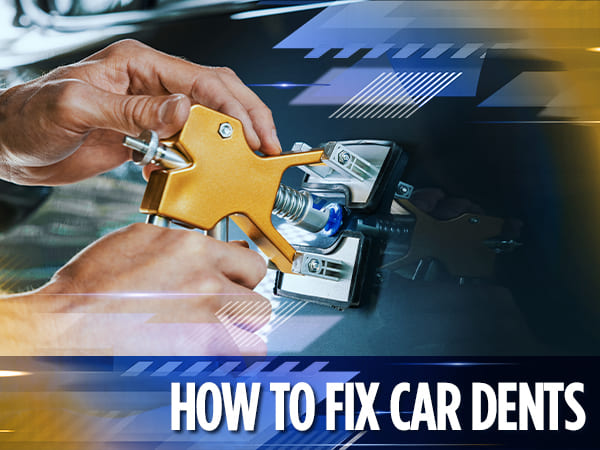
Understanding Different Types of Car Dents
Car dents come in various shapes and sizes, and identifying the type of dent is essential for choosing the right repair method. Here are the common types of dents and how they differ:
- Shallow dents: Often caused by minor impacts, like a door ding or bump. These can typically be fixed using basic tools like suction cups or heat.
- Sharp dents: These involve deep creases or folds in the metal, usually caused by a sharp impact. Fixing these dents may require more advanced techniques such as pulling or using body filler.
- Round dents: Typically caused by hail, falling objects, or collisions with circular objects. These dents are often smooth but can pose challenges if not handled properly.
- Creased dents: These are more complex and involve visible folds in the metal, usually requiring more detailed repair work, including potentially replacing panels.
- Surface dents: Minor dents that don’t cause any damage to the underlying metal. These are generally easier to repair without needing fillers or repainting.
Using Body Filler for Deeper Dents
When a dent is too deep to be fixed with simple suction or heat methods, body filler provides a reliable solution to restore the surface. Here’s how to use body filler effectively:
- Prepare the surface: Sand down the dented area to remove any paint and smooth the surface. This ensures that the filler will bond well.
- Apply body filler: Using a putty knife, spread the body filler over the dent, making sure it covers the entire damaged area.
- Smooth and sand: Once the filler hardens, sand it down to create a smooth, flush surface that matches the surrounding area.
- Prime and paint: Apply primer over the sanded filler, and then paint the area to match the car’s original color. This step may require multiple layers to achieve a seamless finish.
- Patience and precision: This process requires attention to detail to achieve a professional result. Take your time and ensure the surface is properly smoothed before moving on to painting.
Paintless Dent Repair (PDR)
Paintless dent repair (PDR) is a method used to fix dents without disturbing the vehicle’s original paint. It’s an ideal solution for shallow dents and those that don’t have visible paint damage. Here’s how PDR works:
- Gentle massaging: Specialized tools are used to massage the dent from underneath the panel, gently pushing the metal back into place.
- No sanding or fillers: PDR doesn’t require sanding or the use of fillers, which means the original paint remains intact, saving time and money.
- Cost-effective: Since there’s no need for repainting or body filler, PDR is often cheaper than traditional repair methods.
- Environmentally friendly: By avoiding the use of chemicals and paints, PDR is a more eco-friendly option.
- Expert technique: PDR requires specialized skills and experience, so it’s usually best left to trained professionals to ensure a flawless finish.
When to Seek Professional Help
While DIY methods work for many small dents, some situations are best handled by a professional. Here’s when you should consider getting expert assistance:
- Large dents or deep creases: Dents that are too large or involve deep folds in the metal may require professional tools and techniques.
- Paint damage: If the dent has caused visible paint damage or cracking, professional repair may be necessary to restore the paint and ensure a smooth finish.
- Structural damage: Dents that affect the car’s structural integrity, such as those near the frame or on critical parts of the vehicle, should be handled by professionals for safety reasons.
- Advanced repair needs: If the dent is in an area that requires panel replacements or specialized tools (such as the roof or rear quarter panels), it’s best to seek professional help.
- Quality and warranty assurance: Professionals can guarantee a high-quality finish and may offer warranties on their work, giving you peace of mind.
Preventing Future Dents
Prevention is always better than repair when it comes to car dents. Parking in safe areas away from crowded lots can reduce the risk of dings and scratches. Using car covers protects your vehicle from hail and falling debris. Installing door protectors or parking sensors can also help minimize accidental impacts. Developing cautious driving habits and being mindful of your surroundings further reduces the likelihood of dents. Taking these precautions helps maintain your car’s appearance and value over time.
Cost of Fixing Car Dents
The cost of dent repair varies widely depending on the size and severity of the damage. DIY methods are the most affordable, often requiring minimal investment in tools. Paintless dent repair is relatively inexpensive compared to traditional methods, with costs ranging from $75 to $150 per dent. Professional repairs that involve repainting or panel replacement can range from $300 to over $1,000. Understanding these costs helps you weigh the benefits of DIY versus professional repair options.
Fixing car dents doesn’t have to be a daunting task. Whether you choose a DIY method for minor damage or seek professional help for more severe dents, addressing the issue promptly restores your vehicle’s appearance and prevents further complications. By understanding the types of dents, using the right tools and techniques, and taking preventive measures, you can keep your car looking its best. Don’t let car dents lower your vehicle’s value or diminish your pride in ownership. Stay proactive with maintenance and enjoy a smoother ride.
Explore more expert tips and tricks for car care and maintenance, including choosing the right motor oil, and subscribe to our newsletter for the latest updates and in-depth guides.
FAQs
What is the easiest way to fix a small dent? Using a plunger or a suction dent puller is an easy and effective way to fix small dents at home without requiring specialized tools or expertise. These methods work best on shallow dents where the metal can easily be pulled back into shape. Always ensure the surface is clean and dry before attempting repairs to improve suction and effectiveness.
Can all dents be fixed with paintless dent repair? Paintless dent repair works best for shallow dents without paint damage. Dents with sharp creases or paint issues may require traditional methods or advanced techniques. PDR is a cost-effective and quick solution for minor damage but is not suitable for dents involving structural deformation or compromised paintwork, where conventional repairs are necessary.
How long does it take to fix a car dent? The time depends on the dent’s size and severity. Small dents can be fixed in minutes, while larger ones may take several hours or more to repair. Paintless dent repair is typically faster than traditional methods, making it an efficient choice for minor damage. Complex dents requiring filling and painting may take a day or longer for a professional finish.
What should I do if my car’s paint is damaged with the dent? If paint is damaged, sanding, filling, and repainting are necessary steps. Seek professional help for a seamless color match and quality repair work. Addressing paint damage quickly prevents rust formation and ensures your car maintains its aesthetic appeal and structural integrity over time. Delaying repairs can lead to more extensive and costly issues.