

Driving in Belleview, FL, with its unique mix of heat, humidity, and all those short hops around town, can really take a toll on your Toyota’s exhaust system, speeding up wear and tear and that nasty corrosion. When exhaust issues crop up, you’ll notice it right away—your engine won’t feel as punchy, you’ll be hitting the gas pump more often, and you might even get an unwelcome emissions light. Catching the first signs, like a strange noise or a dip in power, is the smartest move. It keeps those repair bills from skyrocketing and makes sure your Toyota stays dependable and safe for your Belleview drives.
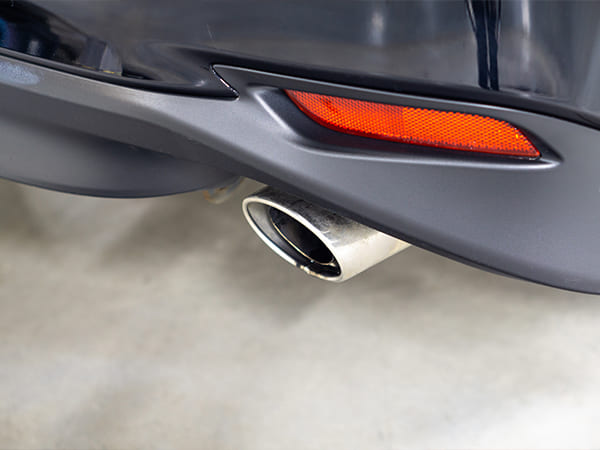
Why Exhaust Problems Shouldn’t Be Ignored
Your Toyota’s exhaust system does more than reduce noise. It controls emissions, supports engine efficiency, and directs harmful gases safely away from the cabin. When exhaust components fail, you may notice louder engine noise, poor acceleration, reduced fuel economy, or a check engine light. In some cases, exhaust leaks can allow fumes to enter the vehicle, which is a safety concern.
In our Belleview auto repair experience, many Toyota exhaust issues begin as minor noises that drivers delay addressing. Over time, small leaks expand and damage spreads to surrounding components.
How the Toyota Exhaust System Works
The exhaust system starts at the engine and runs to the rear of the vehicle. It includes:
- The exhaust manifold
- Oxygen sensors
- Catalytic converter
- Muffler and resonator
- Exhaust piping
Think of your Toyota’s exhaust system as a critical path for all those post-combustion fumes. It starts at the engine with the manifold, where the gases exit. Along the way, clever oxygen sensors keep an eye on how well your engine is mixing gas and air. Then, the catalytic converter plays the hero, cleaning up the worst of the emissions.
Finally, the muffler is the peacekeeper, quieting things down before the fumes make their grand exit via the tailpipe. If any part of this system leaks or gets clogged up, your engine can’t breathe right, and it definitely won’t perform its best.
What Commonly Causes Toyota Exhaust Problems in Belleview?
Exhaust systems face constant heat and exposure to the elements. In Belleview, specific conditions increase wear. High humidity and frequent rain can promote corrosion, especially on older exhaust pipes and mufflers. Although Florida does not use road salt like northern states, moisture exposure still contributes to rust over time.
Short-trip driving is another factor. When vehicles are driven only a few miles at a time, condensation inside the exhaust system does not fully evaporate. That moisture accelerates internal corrosion. We also see catalytic converter issues related to engine misfires or fuel system problems. When unburned fuel enters the exhaust, it can overheat and damage the converter.
Symptoms vs. Underlying Causes
Toyota drivers may notice:
- Loud or rattling exhaust noise
- Reduced engine power
- Sulfur or “rotten egg” smell
- Decreased fuel efficiency
- Check engine light
However, symptoms alone do not identify the root cause. For example, a rattling noise may indicate a loose heat shield rather than a failed muffler. A check engine light could signal an oxygen sensor issue rather than catalytic converter failure. Proper diagnosis separates minor repair needs from major component replacement.
What Happens If Exhaust Problems Are Ignored?
If you ignore problems with your Toyota’s exhaust system, you could face several issues:
- Higher Emissions: Your car will pollute more.
- Failed Inspections: You might not pass state emissions testing (if your area requires it).
- Poor Engine Performance: Your car won’t run as smoothly or efficiently.
- Damaged Catalytic Converter: The part that cleans your exhaust could break, which is an expensive fix.
- Safety Hazard: Exhaust leaks can be dangerous, especially if fumes get into the cabin.
A small leak at a gasket or flange can grow larger. A failing oxygen sensor can cause improper fuel mixture, leading to reduced fuel economy and potential converter damage. Early inspection prevents secondary failures.
Preventive Maintenance for Toyota Exhaust Systems
Your exhaust system is pretty low maintenance, but you still need to keep an eye on it.
A little preventative care goes a long way:
- Listen for any sounds that seem new or out of the ordinary.
- Don’t ignore the check engine light—it often points to exhaust issues.
- Ask us to check the exhaust components when you bring your car in for routine service.
- Get engine misfires fixed right away.
Honestly, most of the Toyota exhaust problems we see here in Belleview could have been fixed easily if they’d been spotted during a regular maintenance visit.
A Common Belleview Example
A Toyota RAV4 arrives with a slight rattling noise during acceleration. The driver suspects the muffler. Inspection reveals:
- A loose heat shield.
- Minor exhaust flange leak.
Repairing those small issues prevents further corrosion and avoids catalytic converter stress. Minor issues addressed early remain minor.
Conclusion: Protecting Performance and Safety
Toyota exhaust problems rarely begin as major failures. They typically start as small leaks, loose heat shields, or minor sensor issues that are often overlooked. Here in Belleview, with our sticky air and all those quick hops to the store or back, your Toyota’s exhaust system takes a beating. Making sure a pro checks the whole thing regularly isn’t just a suggestion—it’s a necessity. Why? Because the dampness loves to eat away at the metal, and those short drives never let the system really heat up and dry out, which puts a ton of stress on the parts.
Catching a problem early isn’t just about saving money later. It means your engine keeps running the way it should—smooth, responsive, and dependable. It means you’re not stopping at the gas pump more than you need to. And it means your Toyota stays the reliable vehicle you count on every day, whether you’re heading to work, picking up the kids, or taking a weekend drive.
When Professional Evaluation Is Recommended
If your Toyota becomes louder, loses power, develops unusual smells, or triggers a check engine light, a structured exhaust system inspection can identify whether the issue is sensor-related, leak-related, or component failure.
At Gregg Smith Automotive, we assist Belleview drivers in diagnosing Toyota exhaust problems accurately to prevent unnecessary part replacement and protect engine performance.
Frequently Asked Questions
Can I drive with an exhaust leak?
Short distances may be possible, but leaks can worsen and pose safety concerns.
Is a catalytic converter always expensive to replace?
It depends on the model and cause of failure. Early diagnosis may prevent full replacement.
Why does my Toyota smell like sulfur?
This often relates to catalytic converter performance or fuel mixture issues.
Will a check engine light always mean converter failure?
No. Oxygen sensors frequently trigger exhaust-related warning lights.
Does short-trip driving affect the exhaust system?
Yes. Moisture buildup from short trips accelerates internal corrosion.