

Your car’s engine depends on spark plugs; they’re small but mighty! The engine’s power comes from these components; they create a spark, igniting the air-fuel mix, and boom—combustion! Smooth acceleration, good fuel economy, and dependable operation are all results of proper function. However, like any other engine part, spark plugs degrade over time due to constant exposure to heat and combustion pressure. Think your car is running a little rough? That sluggishness, lower gas mileage, and those misfires could be signs of wear and tear. These small problems can quickly escalate into expensive engine repairs if you don’t get them checked out by a mechanic.
Car maintenance is easier if you can handle a spark plug replacement. This is a skill worth learning. This helps your wallet and keeps your car running efficiently; you won’t need the mechanic as often. Regularly inspecting and changing spark plugs at the recommended intervals can prevent rough idling, difficulty starting, and loss of power. By keeping these components in top condition, you can ensure a smoother driving experience, extend your engine’s lifespan, and avoid unexpected breakdowns on the road.
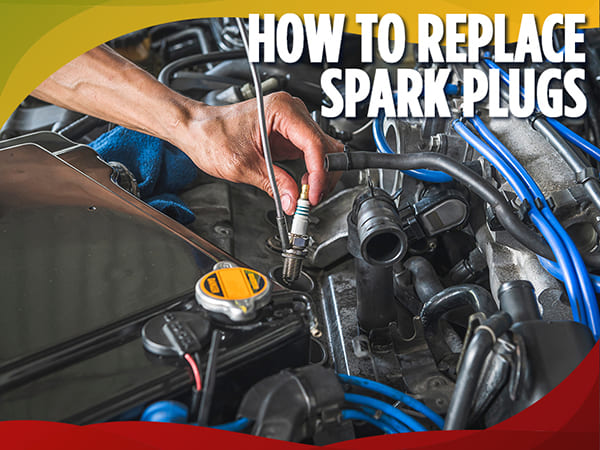
Recognizing When to Replace Spark Plugs
Understanding the signs of worn-out spark plugs helps you address issues before they escalate. Common indicators include a rough idle, difficulty starting the engine, decreased acceleration, and poor fuel efficiency. If your car struggles to maintain power or exhibits increased emissions, it’s likely time to inspect and replace the spark plugs.
Refer to your vehicle’s owner’s manual for the recommended replacement interval, which typically ranges from 20,000 to 100,000 miles, depending on the type of spark plugs and driving conditions. Regular maintenance checks can also reveal early signs of wear, allowing you to plan replacements proactively.
Gathering Tools and Materials
Replacing spark plugs requires basic tools and materials, which are often included in a standard car maintenance kit. You will need a spark plug socket, ratchet wrench, extension bar, and a torque wrench. Additionally, dielectric grease and anti-seize compounds are helpful for ensuring proper installation and preventing future issues.
Having the correct replacement spark plugs for your vehicle is crucial. Consult your owner’s manual or an auto parts specialist to ensure you purchase the right type and size for your engine.
Preparing Your Vehicle for Spark Plug Replacement
Begin by parking your car on a level surface and allowing the engine to cool completely. Disconnect the negative terminal of the battery to prevent accidental electrical discharge. Cleaning the area around the spark plugs with compressed air or a soft brush removes debris, reducing the risk of contaminants entering the engine during the replacement process.
Locate the spark plug by referring to your vehicle’s manual. Typically, they are found along the top or side part of the engine block, attached to ignition wires or coil packs.
Removing Old Worn Out Spark Plugs
Start by disconnecting the ignition wires or removing the coil packs to access the spark plugs. Pull gently on the connector, not the wire, to avoid damage. UUsing a spark plug socket and a ratchet wrench, carefully loosen the old plugs by turning them counterclockwise. Once loose, take them out by hand.
Inspect the removed spark plugs for signs of wear or damage. A worn spark plug may have a blackened or eroded electrode, oily residue, or white deposits indicating overheating. These observations can provide insights into your engine’s overall condition and help diagnose potential issues.
Installing the New Spark Plugs
Proper installation of new spark plugs is crucial to ensure your engine runs efficiently and performs optimally. Here are the essential steps for a smooth installation process:
- Use Anti-Seize Lubricant: Lightly coat the threads of the new spark plugs with anti-seize lubricant. This helps prevent rust and makes future removal smoother.
- Hand Tighten the Spark Plug: Insert the spark plug into the socket, carefully lowering it into the cylinder. Hand-tighten the plug to avoid cross-threading, ensuring it’s seated correctly.
- Use a Torque Wrench: Once hand-tightened, use a torque wrench to tighten the spark plug to the manufacturer’s specified torque. This ensures that the plug is neither too loose nor overtightened.
- Reattach Ignition Wires or Coil Packs: Securely connect the ignition wires or coil packs to the corresponding spark plugs, ensuring a firm attachment to prevent engine misfires.
- Maintain Proper Firing Order: If your engine uses individual coil packs, replace them in their original positions to maintain the correct firing order, ensuring the engine operates efficiently.
Testing and Final Checks
After installing the spark plugs, it’s important to test the system to ensure everything is functioning correctly. Here’s how to perform the final checks:
- Reconnect the Battery: Reconnect the negative terminal of the battery to complete the circuit and power up the engine.
- Start the Engine: Start the engine and observe how it idles. A smooth idle and responsive acceleration are signs that the new spark plugs have been installed correctly.
- Double-Check Connections and Torque: If there are any performance issues such as rough idling or hesitation, double-check the connections and ensure that all spark plugs are torqued to the manufacturer’s specifications.
- Dispose of Old Spark Plugs Properly: Dispose of the old spark plugs responsibly. These components may contain materials that shouldn’t be thrown away with regular waste. Many auto parts stores offer recycling programs for used spark plugs, making it easy to do so safely.
Practical Example: Replacing Spark Plugs on a Four-Cylinder Engine
Imagine you own a four-cylinder sedan with reduced fuel efficiency and occasional misfires. After consulting your owner’s manual, you identify the spark plugs as the likely cause. By following the steps outlined, you successfully replace all four spark plugs, restoring your vehicle’s performance and saving money on professional labor costs.
Changing your spark plugs is easy and satisfying; it’s a car repair job anyone can do. Keep your engine running smoothly for better gas mileage, lower emissions, and a longer car lifespan. Keeping your car in top shape with regular maintenance means smooth sailing and a worry-free drive.
Deepen your knowledge of vehicle care by exploring topics like understanding car exhaust systems. Learn more about car maintenance with our other articles, or join our newsletter for handy tips delivered straight to you. It’s easy to sign up!
FAQs
How often should spark plugs be replaced? Spark plug replacement intervals vary by vehicle and type, ranging from 20,000 to 100,000 miles. Consult your owner’s manual for specifics.
Can I drive with worn-out spark plugs? While possible, driving with worn-out spark plugs reduces engine performance, increases fuel consumption, and risks further damage.
What are the symptoms of bad spark plugs? Symptoms include rough idling, difficulty starting, decreased acceleration, and poor fuel efficiency.
Do I need to gap new spark plugs? Most modern spark plugs come pre-gapped, but it’s essential to verify the gap matches your vehicle’s specifications.What happens if spark plugs are installed incorrectly? Improper installation can cause misfires, engine damage, or reduced performance. Using a torque wrench ensures correct installation.