

Regular tune-ups are the unsung heroes of vehicle maintenance, ensuring your car runs smoothly and efficiently while preventing costly repairs. Many drivers overlook the importance of tune-ups, thinking they can get by with only oil changes and tire rotations. Skip regular car care? Prepare for trouble. Expect lower gas mileage, reduced performance, and surprise breakdowns. Saving time, money, and stress is easy. Just remember to schedule those regular tune-ups. It’s like insurance for your belongings.
What Is a Tune-Up?
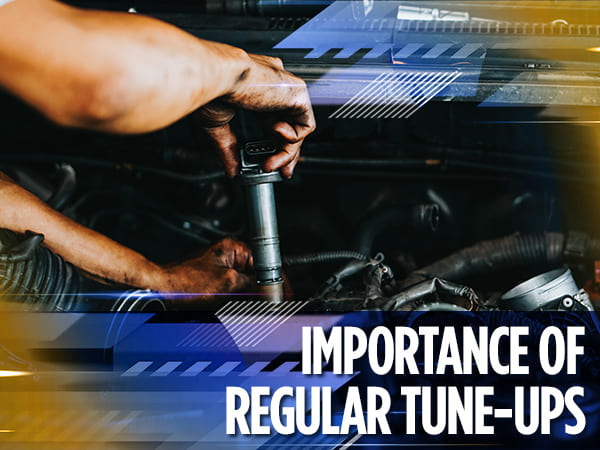
A tune-up gives your car a thorough checkup. Technicians check and adjust parts to make sure it runs great. This usually means checking and swapping out parts like spark plugs, air filters, fuel filters, and ignition coils. Other important parts get a look-over, too. The exact scope of a tune-up varies based on the vehicle’s make, model, and age, but its purpose remains the same: to maintain the engine’s efficiency and reliability. Modern cars may not require tune-ups as frequently as older models, but they still benefit from periodic checks to ensure all systems are functioning properly.
Key Benefits of Regular Tune-Ups
The benefits of regular tune-ups extend far beyond basic engine performance. Better gas mileage is a direct result of how these parts work. They make your car use less gas, plain and simple. That saves you money at the pump. Keep your engine in top shape; lower emissions mean a cleaner environment and compliance with regulations. Preventative maintenance, like a tune-up, is all about catching problems early. Small issues get fixed before they snowball into huge repair bills. This directly increases your car’s reliability, saving you time and money. Proactive maintenance? It’s all about avoiding trouble and enjoying worry-free travel. Think of it as peace of mind on wheels.
Signs That Your Vehicle Needs a Tune-Up
Recognizing when your car requires a tune-up is crucial to maintaining its performance and avoiding major issues. Here are some common signs:
- Decreased fuel efficiency: Noticeable drop in miles per gallon, leading to higher fuel costs.
- Difficulty starting: Struggling to start your engine, particularly on cold mornings.
- Rough idling: The engine feels shaky or unsteady when idling.
- Engine misfires: The engine hesitates, skips, or runs unevenly during acceleration.
- Sluggish acceleration: Lack of responsiveness when you press the gas pedal.
- Unusual engine noises: Sounds such as knocking or pinging that are not normal.
- Dashboard warning lights: The check engine light or other indicators lighting up.
Addressing these symptoms early can help prevent more severe problems down the road.
Components of a Comprehensive Tune-Up
A thorough tune-up involves checking and maintaining various systems in your car to ensure it runs smoothly. Key components include:
- Spark plugs: Inspect and replace worn or dirty spark plugs to prevent misfires and improve ignition efficiency.
- Air and fuel filters: Replacing filters ensures proper airflow and fuel delivery, which helps engine performance.
- Ignition system: Examine the ignition coils and wires for damage to maintain smooth starting and consistent engine function.
- Battery check: Ensure the battery is charging properly and clean the terminals if necessary.
- Belts and hoses: Inspect for cracks or wear to avoid sudden breakdowns.
- Diagnostic scan: Perform a scan to detect any hidden issues or errors that could affect performance.
These checks help ensure your car stays in peak condition and prevent any potential failures.
How Regular Tune-Ups Save Money
Though tune-ups may seem like an extra cost, they can save money in the long run by preventing larger issues. Here’s how:
- Prevention of major repairs: Fixing small issues during a tune-up can stop them from becoming costly problems.
- Improved fuel efficiency: A properly tuned engine uses fuel more efficiently, saving you money on gas.
- Extended vehicle lifespan: Regular maintenance helps your car last longer, delaying costly replacements or a new vehicle purchase.
- Preserved resale value: A well-maintained car retains its value better, which is beneficial if you plan to sell or trade it.
Routine tune-ups are an investment that pays off in better performance and lower long-term costs.
Tune-Ups for Older vs. Newer Vehicles
The maintenance needs of your car vary depending on its age and technology. Here’s a breakdown:
- Older vehicles (10+ years):
- More frequent tune-ups, typically every 10,000 to 15,000 miles.
- Conventional ignition systems and less efficient components require more attention.
- Likely need more maintenance to keep running smoothly.
- Newer vehicles (under 10 years):
- Modern cars with advanced electronics and onboard diagnostics may need tune-ups every 30,000 to 50,000 miles.
- These vehicles often require less frequent maintenance thanks to better-built systems.
- Still, regular checks are important to ensure all components are functioning properly.
No matter the vehicle’s age, adhering to the manufacturer’s recommended schedule ensures reliability and longevity.
DIY Tune-Ups vs. Professional Service
While performing basic tune-up tasks on your own can be a cost-effective option, it’s important to understand when to draw the line and call in a professional. Here are the key points to consider:
- DIY maintenance:
- Replacing air filters, spark plugs, and wiper blades.
- Changing oil or topping off fluids.
- Inspecting and replacing light bulbs or fuses.
- Rotating tires and checking tire pressure.
- Professional service:
- Complex engine diagnostics and repair.
- Comprehensive system checks (e.g., transmission, suspension, or brake system).
- Software updates or resetting electronic systems.
- Access to advanced diagnostic tools and specialized equipment.
- Balancing both:
- Use DIY for basic, routine tasks to save money.
- Rely on professionals for more complicated maintenance or repairs to ensure safety and long-term vehicle health.
By recognizing the tasks that are manageable at home and those that require expert attention, you can maintain your car without unnecessary risks or expenses.
The Environmental Impact of Tune-Ups
Regular tune-ups contribute to a cleaner environment by reducing vehicle emissions. A neglected engine creates more pollution; it releases extra carbon monoxide and hydrocarbons into the air. Minimize your environmental impact and stay compliant with emission regulations by making sure your engine is in top shape. This helps everyone. Strict air quality standards mean you have to watch your emissions. Exceeding limits can result in serious consequences, like big fines and operational restrictions. This is especially true in areas with the strictest regulations, like some major cities. For example, exceeding limits by even a small amount can lead to fines in the thousands of dollars.
Regular tune-ups are an essential aspect of car maintenance that offers numerous benefits, from improved performance and fuel efficiency to reduced emissions and enhanced reliability. By addressing potential issues early, you save money, protect the environment, and ensure a safe driving experience. Don’t wait for warning lights or performance issues to arise. Stay proactive with your vehicle’s care and enjoy the peace of mind that comes with a well-maintained car.
Stay on top of your vehicle’s maintenance with expert tips and insights, including recognizing the signs of failing suspension systems. Subscribe to our newsletter for comprehensive guides and updates.
FAQs
What is included in a typical tune-up? A typical tune-up includes replacing spark plugs, air and fuel filters, inspecting the ignition system, and checking belts, hoses, and fluids. Diagnostics may also be performed to identify hidden issues.
How often should I get a tune-up? Tune-up frequency depends on your vehicle’s age and manufacturer recommendations. Modern cars may need a tune-up every 30,000 to 50,000 miles, while older models require more frequent maintenance.
Can a tune-up improve my car’s fuel efficiency? Yes, regular tune-ups improve fuel efficiency by ensuring the engine operates at peak performance, reducing waste and optimizing fuel consumption.
What are the risks of skipping regular tune-ups? Skipping tune-ups can lead to decreased performance, higher fuel consumption, and unexpected breakdowns. It may also result in costly repairs due to neglected issues.Can I perform a tune-up myself? Basic tune-up tasks like replacing air filters or spark plugs can be done at home. However, complex diagnostics and repairs should be left to professionals for accurate results.