

Owning a classic car is a true passion, but maintaining its interior—especially the upholstery—can be a real challenge. Unlike modern vehicles with easy-to-replace synthetic materials, classic cars feature delicate leather, vinyl, or fabric interiors that require special care.
Over time, sun exposure, moisture, and regular use can lead to cracks, fading, stains, and general wear. If you don’t take the right steps, your once-pristine seats, door panels, and carpets could deteriorate beyond repair.
Whether you’re restoring a 1957 Chevrolet Bel Air, a 1969 Mustang, or a vintage Rolls-Royce, this guide will show you how to maintain classic car upholstery with expert-backed techniques, ensuring your interior remains stunning for years to come.
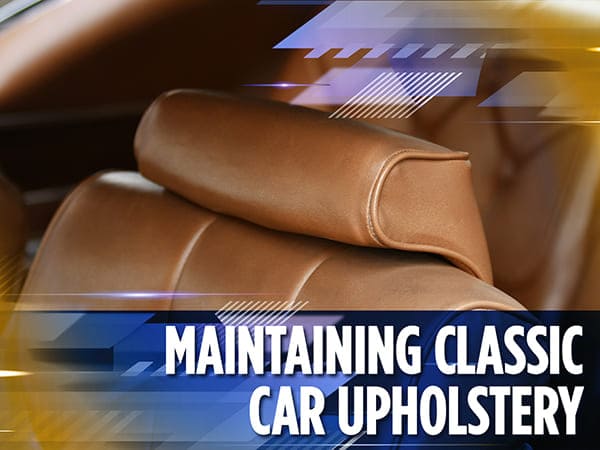
Understanding Different Types of Classic Car Upholstery
Before diving into maintenance techniques, it’s crucial to understand the materials used in classic car interiors. Each type requires a specific approach to cleaning and preservation.
- Leather Upholstery
Classic cars, especially luxury models, often feature full-grain or top-grain leather interiors that require regular conditioning to prevent drying and cracking.
Common issues:
- Cracking and fading due to UV exposure
- Hardening and brittleness from lack of conditioning
- Stains and discoloration from spills and body oils
- Vinyl Upholstery
Vinyl became popular in mid-century cars due to its durability and affordability. However, older vinyl can become stiff and prone to tearing.
Common issues:
- Hardening and splitting over time
- Discoloration from sun exposure
- Sticky or greasy feel if not cleaned properly
- Cloth & Fabric Upholstery
Many classic cars, particularly European models and early American sedans, used high-quality woven fabric or velour interiors.
Common issues:
- Staining from liquids and dirt
- Fading and thinning over time
- Mildew and mold growth in humid conditions
Step-by-Step Guide to Maintaining Classic Car Upholstery
1. Regular Cleaning for Longevity
Keeping your upholstery clean prevents long-term damage and maintains the car’s original charm.
Leather Cleaning & Conditioning
- Vacuum first to remove dust and debris.
- Use a pH-balanced leather cleaner with a microfiber cloth. Avoid harsh chemicals.
- Apply a quality leather conditioner to keep it supple and prevent cracking.
- Park in the shade to avoid direct sunlight damage.
Vinyl Care
- Clean with a mild soap and warm water solution using a soft sponge.
- Avoid petroleum-based products that can dry out vinyl.
- Apply a vinyl protectant with UV blockers to prevent fading.
Cloth & Fabric Cleaning
- Vacuum regularly to remove dust, dirt, and crumbs.
- Use a fabric upholstery cleaner and blot stains instead of scrubbing.
- Ensure proper drying to prevent mold and mildew.
2. Protecting Your Classic Car Upholstery from Damage
Sun & UV Protection
- Use UV-resistant window tint or sunshades when parked outside.
- Apply leather and vinyl protectants with UV blockers.
- Store the car in a garage or under a high-quality car cover.
Moisture & Humidity Control
- Avoid leaving windows open in damp environments.
- Use silica gel packets or a moisture absorber inside the car.
- If your car develops musty odors, check for leaks and dry out the interior.
3. Restoring Classic Car Upholstery: Repairing Cracks, Tears, and Stains
Even with the best care, upholstery damage can happen. Here’s how to restore minor issues before they get worse.
Fixing Leather Cracks & Fading
- Use leather dye or restoration balm to revive color.
- For deep cracks, apply a leather filler kit and sand smooth before re-dyeing.
Repairing Vinyl Tears
- Small tears can be fixed with vinyl repair patches or liquid vinyl sealers.
- For larger damage, a professional upholstery shop may be needed.
Removing Stains from Fabric Upholstery
- Grease stains: Use baking soda to absorb oil before blotting with a mild cleaner.
- Water stains: Dab with vinegar and warm water to lift the mark.
- Mold & mildew: A mix of white vinegar and hydrogen peroxide can help eliminate bacteria.
Case Study: Restoring a 1965 Mustang’s Interior
John, a classic car enthusiast, purchased a 1965 Ford Mustang with badly cracked leather seats, faded carpets, and brittle door panels. Instead of replacing the entire interior, he followed these restoration steps:
- Leather Restoration: Used a leather conditioner and dye kit to repair cracks and restore color.
- Carpet Refresh: Shampooed and used fabric dye to revive faded sections.
- Vinyl Door Panel Treatment: Applied a vinyl softener and color restorer.
Before & After Results: The Mustang’s interior went from dry, cracked, and dull to soft, vibrant, and well-preserved—all without a full reupholstery job.
Conclusion
Maintaining classic car upholstery is about consistent care and smart protection. Whether you have leather, vinyl, or fabric interiors, following the right cleaning and preservation techniques can keep your car looking as stunning as the day it rolled off the assembly line. Regular conditioning, proper storage, and avoiding harsh chemicals can significantly extend the lifespan of your upholstery, keeping it soft, vibrant, and free from cracks or stains.
If your upholstery is already showing signs of aging, restoration is still possible with the right techniques and products. From deep cleaning to reconditioning and even professional reupholstering, there are many ways to bring your classic car’s interior back to life. A little effort today can help maintain its beauty for years to come.
Looking for more classic car restoration tips? Check out our other articles, such as ‘Understanding Antique Engine Cooling,’ for expert guides, exclusive restoration secrets, and insider advice to keep your vintage ride in top condition.
FAQs About Maintaining Classic Car Upholstery
1. How often should I clean my classic car’s upholstery?
Leather and vinyl should be cleaned every 2-3 months using a gentle cleaner, while fabric upholstery should be vacuumed weekly and deep-cleaned every 6 months to prevent stains and odors.
2. Can I use household cleaners on my classic car’s upholstery?
No. Many household cleaners contain harsh chemicals that can damage leather and vinyl, causing cracks or discoloration. Always use automotive-specific upholstery products designed to protect and preserve materials.
3. How do I prevent musty smells in my classic car’s interior?
Keep the car dry, use moisture absorbers, and regularly air out the interior by opening windows. If mold is present, deep-clean with vinegar or enzymatic cleaners to eliminate odors and bacteria.
4. Should I cover my classic car’s seats when not in use?
Yes! Using seat covers or towels can protect against sun damage, wear, and fading, especially for delicate leather and cloth seats. This also helps keep dust and dirt from settling.
5. What’s the best way to store a classic car to preserve upholstery?
Park it in a climate-controlled garage, use UV window protectors, and condition leather or vinyl regularly to prevent cracking. Also, keep windows slightly open to allow airflow.