

Driving your Acura around Belleview, FL, you expect smooth, responsive steering. When your power steering system begins acting up, it undermines that experience—and it can compromise safety. In this guide, we’ll unpack what power steering issues in Acura vehicles look like, how they develop (especially in our Florida setting), how you can address them, the benefits of timely repair, a real‑world case study, and data that backs everything up. Read on to gain expert clarity and confidence.
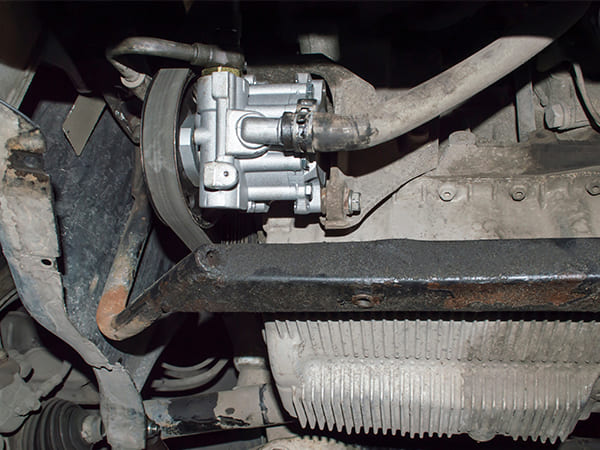
What Are Power Steering Issues in an Acura?
In modern Acura models, the power steering system assists you in turning the wheel with minimal effort—whether parking in downtown Belleview or navigating a curve near Lake Weir. This system may use hydraulic assistance or an electronic power‑steering (EPS) setup. When we refer to “power steering issues,” we mean when this assistance drops out, works intermittently, or behaves abnormally—resulting in stiff steering, unusual noises, warning lights, or loss of assist entirely.
In practical terms for an Acura, issues can manifest as:
- Suddenly heavy or difficult steering effort when turning at low speeds or parking
- A “Check Power Steering System” message in the dashboard
- Whining or groaning noise when turning the wheel
- Steering that feels inconsistent—sometimes normal, sometimes heavy
- Steering fault codes or warning lights that shape driving behaviour
Understanding this clears the path for diagnosing and fixing the system.
How Do These Power Steering Problems Develop?
Let’s break down the process and contributing factors—especially in our Belleview context.
Common Causes
In Acuras, power steering issues often stem from:
- Leaks or contaminated fluid (hydraulic systems)
- Worn pumps or slipping belts
- Failing hoses or seals
- EPS faults from wiring, sensor, or module failures
- Known recalls, like steering gearbox defects affecting Acura and Honda models
Why Belleview Drivers Are at Higher Risk
Florida’s heat and humidity speed up fluid breakdown and seal wear. Belleview’s stop-and-go traffic, rough roads, and salt air (especially near lakes) further strain the system, making early failure more likely.
How a Small Problem Escalates
A minor leak or corroded connector weakens steering assist. You’ll feel heavier steering or hear whining. If ignored, the issue worsens—leading to full assist failure, dash warnings, and costly repairs to pumps or racks.
How to Fix & Prevent Power Steering Issues in Your Acura in Belleview
Here’s a structured, practical plan tailored to Acura owners in our region.
Step‐by‐step inspection & repair
- Check fluid level and condition (for hydraulic systems). Low fluid or dark/dirty fluid signals contamination or a leak.
- Inspect hoses, seals, and lines for signs of leaks: wetness, drips, puddles under the vehicle, hose swelling or cracks.
- Listen for noise when turning the wheel slowly—whining or groaning can mean pump wear or belt slippage.
- Check belt condition (if applicable). A slipping or broken belt will undermine pump assist.
- Inspect the electrical assist system (EPS): check fuses, wiring, connectors, and torque sensors. A locked steering wheel with a “check power steering system” message often indicates an EPS fault.
- Check the steering rack and gearbox (especially given the recall context). Any binding or resistance may indicate internal damage.
- Align & inflate tires properly. Poor alignment or low tire pressure increases the effort required to steer and adds load to the assist system.
- Use manufacturer‑specified parts and fluid for your specific Acura model year.
- Schedule regular checks — at least annually, or after hitting a large pothole or curb (common in Belleview).
- Act early when signs appear. A proactive fix prevents total failure.
Preventive maintenance tips
- Keep tires properly inflated (use values from driver door jamb or manual).
- Avoid hitting curbs, deep potholes, or aggressive steering inputs—these stress the rack and assist system.
- In Belleview’s humid climate, consider changing fluid (if hydraulic) more frequently than the manual says; check for any service bulletins for your model.
- Park in shade where possible; heat can degrade seals faster.
- After a storm or driving on salt‑sprayed roads, rinse undercarriage/wheel‑wells to reduce corrosion risk on steering‑system components.
Benefits of Fixing Power Steering Issues Early
Recognizing and addressing power steering problems early brings key benefits:
- Improved safety and control: You’ll regain responsive, smooth steering and reduce the risk of being stuck with heavy steering during a turn.
- Reduced repair costs: Fixing a hose or fluid leak costs far less than replacing a pump, rack, or entire assist system after failure.
- Better driving experience: Your Acura handles as it was designed—steering force remains light and predictable, important in Florida traffic and curves.
- Longer life for related components: Pump, rack, sensors, and hoses all last longer when they aren’t forced to work under degraded conditions.
- Retained vehicle value: A well‑maintained steering system contributes to resale value—especially important for premium brands like Acura.
Real‑World Case Study: Power Steering Fault in a Belleview Acura
A Belleview driver with a 2016 Acura TLX noticed heavier steering and a faint whine during tight turns near downtown. Over a few weeks, steering effort worsened, and fluid was found under the car.
Diagnosis:
- Low, dark power steering fluid
- The cracked hose at the pump is leaking fluid
- Minor pump wear and glazed belt
- Under-inflated tires and misalignment
Repair:
- Replaced the hose and belt
- Flushed fluid and adjusted tire pressure
- Completed alignment
Outcome:
Steering returned to normal, noise disappeared, and leaks stopped. The owner avoided major component damage—all thanks to catching the issue early.
Supporting Data & Industry Context
- A recent Consumer Reports article states that Honda and Acura recalled approximately 1.7 million vehicles in the U.S. due to steering‑gearbox issues that increased the difficulty in steering.
- An auto‑repair blog identifies the top five causes of power steering failure: fluid leaks, contaminated fluid, worn pump, slipping belt, and lack of maintenance.
- A specialized blog for Acura owners notes that hard‑turning or sudden loss of assist can stem from faulty EPS modules, low fluid, or mechanical rack issues in these vehicles.
For Acura drivers in Belleview, the combination of local road conditions, heat/humidity, and premium steering expectations means you should take steering‑system health seriously—and the data supports attention to both hydraulic and electronic assist systems.
Protect Your Acura’s Steering & Drive Confidently
Power steering issues in your Acura don’t have to derail your driving experience in Belleview. By recognising early warning signs, understanding how Florida conditions affect the system, and taking proactive steps (inspections, hose checks, fluid care, belt maintenance, and alignment), you’ll preserve the smooth, confident steering you expect. Don’t wait until the assist fails—steering problems get harder and more expensive to fix when ignored.
Want expert help or want to dive deeper into related systems like suspension, alignment, or brake assist? Visit the team at Gregg Smith Automotive for more articles and guidance to keep your Acura operating at its best.
Frequently Asked Questions
Why is my Acura steering wheel heavy only in downtown Belleview parking lots?
Heavy steering at low speeds usually means the power assist isn’t working properly. In most Acuras, that can happen when fluid is low, the pump is weak, or an electrical assist system (EPS) has a fault. Tight parking spots in downtown Belleview stress the system more than highway driving, so small issues show up there first.
Can Florida heat and humidity make my Acura’s power steering wear out faster?
Yes — heat and humidity both speed up wear on steering components. Hot weather breaks down hydraulic fluid and rubber seals, while moisture can corrode connectors in electric systems. Because Belleview’s climate is warm and humid year-round, it’s smart to inspect your system at least once a year, even if you drive low mileage.
I hit a curb on SE Marion Ave and now my Acura’s steering feels odd — could that cause power steering issues?
Definitely. A curb impact can bend or damage key steering parts. Even a light hit can stress the rack, loosen fittings, or damage sensors and hoses. Always have your steering and alignment checked after an impact to prevent further issues.
My Acura shows a “Check Power Steering System” message and the wheel locks — what does that mean?
It usually means the power assist has failed. In most cases, your Acura’s EPS system has lost power or sensor input — often from a blown fuse, failed torque sensor, or bad module. Don’t keep driving if the wheel locks; have it inspected immediately for safety.
How much does Acura power steering repair cost in Belleview, FL?
Expect to pay anywhere from a few hundred to over a thousand dollars, depending on what’s wrong. Hydraulic pump or rack replacements cost more, while fixing minor leaks or hose issues is much cheaper. Regular checks for fluid levels, belt wear, and leaks help you avoid the expensive repairs later.