

When you’re behind the wheel of your Acura in Belleview, FL, the last thing you want is for your suspension system to start degrading—especially given the region’s road conditions and climate. Understanding how suspension damage happens, how to prevent it, and what it costs can save you time, money, and discomfort.
In this post, we’ll dive into what suspension damage really means, why it happens (especially locally), how to protect your Acura, and real‑world examples to make the risk tangible.
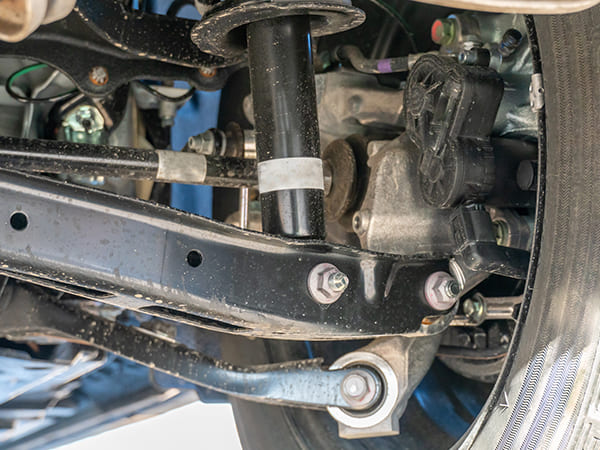
What is Suspension Damage in an Acura?
Your vehicle’s suspension system is the complex network of parts—shocks, struts, springs, bushings, control arms, linkages—that sits between the wheels/tires and the body of the car. It supports ride comfort, handling, safety and tire life.
In an Acura model, many of these components are precision‑engineered to deliver a refined ride. For example, Acura guides note that cracked or dried‑out bushings are a common failure point in their systems.
“Suspension damage” means that one or more of those components is worn, bent, cracked, leaking, misaligned or otherwise compromised. This can lead to:
- excessive bounce, harsh ride or bottoming out
- uneven tire wear or poor alignment
- steering pull, clunks, thuds when hitting bumps
- reduced handling or increased risk of deeper component failure
By recognising the definition clearly, you can focus your prevention efforts.
Why Your Acura in Belleview, FL Needs Extra Care
Local road and weather conditions matter
Belleview, and Central Florida in general, present some unique challenges that make suspension damage more likely:
- Potholes, cracked surfaces and uneven roads are common in Florida. These stress the suspension system more than smooth highway driving.
- Heavy rain, tropical storms and the occasional flooding can hide road hazards or create drop‑offs at shoulders. Driving through or over these can jolt the suspension unexpectedly.
- Florida’s warm climate accelerates deterioration of rubber bushings, seals and other suspension materials compared to cooler climates.
Vehicle‑specific factors
As an Acura owner you likely value both ride quality and performance. This means your suspension components are often built to tighter tolerances, but that also means irregularities—such as hitting a deep pothole at speed—can have more pronounced effects.
Why damage matters
When suspension damage takes hold: tires wear prematurely, ride becomes uncomfortable, steering becomes imprecise and the cost of repair can escalate quickly as one failed component leads to another.
How to Prevent Suspension Damage in Your Acura
Here are actionable steps you can take to ensure your Acura’s suspension remains in top shape — particularly given Belleview’s driving environment:
- Maintain proper tire pressure and condition. Under‑inflated or worn tires reduce the buffer your suspension has for absorbing impact. Over‑inflation reduces flexibility and can send more shock up into the system.
- Avoid or slow down for road hazards. When driving on roads with visible cracks, potholes or drop‑offs (common around Belleview), slow down, avoid swerving aggressively and consider alternate routes. Research shows uneven roads cause premature wear of suspension components.
- Regular inspections of suspension components. Check for leaking shocks/struts, cracked/dry bushings, bent control arms or loose linkages. Early detection prevents cascading damage.
- Keep alignment in check. Mis‑alignment causes uneven stress. After a significant impact (e.g., large pothole) have alignment checked immediately.
- Mind how you load your vehicle. Carrying heavy loads, towing or aggressive driving can put extra strain on suspension components — more so in a precision system like in an Acura.
- Use quality replacement parts if repairs are needed. When parts are due (or damaged), choose OEM or high‑quality alternatives. Cutting corners invites repeat issues.
- Drive with awareness in Florida weather. Slippery surfaces, flood water or uneven shoulders after storms can all impact your suspension if you hit them at speed or unexpectedly.
By focusing on these prevention steps, you build a protective buffer against suspension damage.
A Real‑World Case: An Acura Owner in Belleview
Let’s look at a typical case (anonymised) from the Belleview area: A 2017 Acura TLX owner started noticing increased cabin harshness over speed bumps, steering that felt slightly off and uneven front tire wear. On inspection, the tech found that the front strut had a minor leak, control arm bushings were dry/cracked, and the alignment had shifted after the vehicle evidently “bottomed out” when hitting a deep pothole on SE Hames Rd.
What happened: The Pothole → control arm stress → bushings deteriorated faster → strut fluid leaked → alignment off.
What saved cost: Owner alerted early and scheduled inspection—only front suspension work needed vs a full sub‑frame or chassis repair.
Lesson: Even vehicles like Acura (which are designed to high standards) can suffer suspension damage from local road hazards if unchecked.
Supporting Data & Mechanics Behind Damage
- According to a suspension repair blog, one of the biggest causes of premature suspension wear is repeated impact from rough or uneven roads (potholes, cracks, dips).
- Another article lists five warning signs of suspension damage: bumpy ride, excessive bounce, loose steering, unusual noises, and a vehicle leaning while parked.
- In Florida, potholes alone are cited as major stressors for traction and suspension systems because the combination of heavier vehicles, high speeds and heat accelerate pavement breakdown.
Mechanically speaking:
- When a car hits a pothole, the suspension must absorb a sudden vertical force. If this occurs beyond design limits (especially at speed), components like strut mounts, control arms, bushings and even shock absorbers can deform or suffer fatigue.
- Rubber bushings deteriorate faster in heat/humidity, reducing their ability to isolate vibration and increasing stress on metal components.
- Misalignment due to bent arms or worn components leads to uneven load distribution, which accelerates wear.
Benefits of Preventing Suspension Damage
- Improved ride quality: Your Acura will feel smoother, more controlled and original‑like.
- Better handling & safety: The steering and stability systems work as designed when suspension is intact.
- Extended tire life & fewer replacements: With proper alignment and no extra stress, tires wear evenly.
- Lower total cost of ownership: Preventive maintenance costs far less than repairing cascaded suspension damage.
- Preservation of resale value: A well‑maintained suspension shows in inspection reports and market value.
Final Thoughts: Protect Your Acura’s Suspension with Smart Maintenance
Preventing suspension damage in your Acura doesn’t need to be complicated—but it does require awareness, regular checks, and a bit of proactive care. From monitoring tire and road conditions around Belleview to catching early signs of wear, you can maintain that smooth, safe ride your Acura is meant to deliver. Consider scheduling a professional inspection if you’ve recently hit a pothole, sense changes in ride quality, or it’s been more than a year since your last check.
For expert suspension checks and maintenance tailored to your Acura in Belleview, trust the team at Gregg Smith Automotive. Click through to our related articles on alignment, suspension repairs and tire care to stay ahead of issues and keep your Acura performing at its best.
Frequently Asked Questions (FAQs)
Why does my Acura feel bouncy after hitting a speed bump in Belleview?
- If the ride felt fine before but now you notice more bounce, your shock absorbers or struts may be worn or leaking, or suspension bushings/control arms may be damaged. This is a classic sign of suspension damage.
How often should I have suspension inspected on my Acura in Central Florida?
- For Belleview drivers, a suspension check every 12 months or at least every 30,000 miles is a good rule. If you frequently drive on rough roads or hit potholes, do a check after major impacts.
Can poor tire alignment damage my Acura suspension?
- Yes — misalignment causes uneven load and makes control arms, bushings and shocks work harder than intended, accelerating their wear. Regular alignment checks are a preventive measure.
Are fluid leaks under the front wheel well a concern for suspension on an Acura?
- Absolutely. Leaking fluid often indicates a strut or shock loss of damping. If left unresolved, the suspension cannot control motion properly, leading to worsened wear.
I live near SE Hames Rd in Belleview and drive over many rough patches—what local tips apply to me?
- Slow down when approaching visible rough patches, avoid driving fast over cracks or dips, keep decent tire pressure, and get your suspension inspected annually. Local Belleview road conditions mean your suspension gets extra stress compared to smoother highways.