

Watch for flickering headlights or a battery light on your Toyota dash. Spotting these signs now prevents a total breakdown later. Learn how to spot charging system failures before they leave you stranded. This guide covers common symptoms and why fast repairs save your engine.
Why This Issue Matters
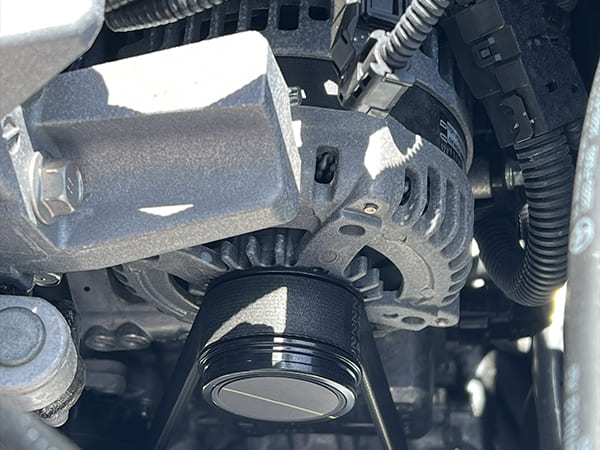
The alternator in your Toyota plays a vital role in keeping your vehicle’s electrical system running smoothly. It charges the battery, powers your car’s electrical components, and keeps everything in check while the engine is running. A failing alternator can lead to unexpected breakdowns and even cause severe damage to your car’s electrical system, leaving you stranded.
As a local business serving Belleview, FL, we frequently encounter alternator-related issues in the vehicles we service. This is especially true for Toyotas, where age, wear, and environmental factors can contribute to a breakdown.
How the Alternator Works in Your Toyota
Think of your Toyota’s alternator as a small generator that turns the engine’s physical motion into electricity. This part teams up with the battery to keep your headlights bright and the stereo pumping while you drive. Running engines spin the alternator to create electricity. This refill prevents your battery from draining while it supports the ignition and onboard systems.
If the alternator isn’t functioning properly, the battery won’t charge effectively, and other electrical systems will start to malfunction.
Common Issues That Lead to Alternator Failure
There are a few common reasons alternators fail, and understanding them can help you identify potential issues early on:
- Worn-out Brushes: Over time, the brushes in the alternator wear down, leading to poor electrical contact and a loss of efficiency.
- Failed Diodes: The diodes in the alternator convert alternating current (AC) to direct current (DC), which powers your vehicle’s electrical systems. If these fail, it can cause the alternator to stop charging the battery.
- Belt Issues: If the serpentine belt is loose or worn, it may not allow the alternator to spin correctly, resulting in inadequate power generation.
- Corrosion: Corrosion on the alternator’s terminals or connectors can interrupt the electrical flow, making it difficult for the system to function properly.
Symptoms of a Failing Alternator
Recognizing the signs of a bad alternator early on can save you from expensive repairs and downtime. Here are some symptoms that indicate your alternator may need to be replaced:
1. Dim or Flickering Lights
Dimming or flickering headlights and dashboard lights can indicate a struggling alternator that is failing to adequately supply power. This is especially noticeable at night when your headlights are on.
2. Warning Light on the Dashboard
Many Toyotas are equipped with a battery warning light that illuminates when the alternator is not charging properly. If this light appears, it’s a clear indication that something is wrong.
3. Strange Noises
If you hear a whining or grinding noise coming from the engine bay, it could be the alternator bearings or the serpentine belt making contact with other parts. This requires immediate attention.
4. Dead Battery
A dead battery is often a result of a failing alternator. If your battery keeps dying despite being charged or replaced, the alternator might not be charging it properly.
5. Electrical Failures
Other electrical components, such as power windows or air conditioning, may stop functioning properly if the alternator is not providing enough power.
Preventive Measures: How to Avoid Alternator Failures
As with many car issues, preventive maintenance is key. To keep your alternator in good working order:
- Regularly Check the Belt: Ensure the serpentine belt is in good condition and properly tensioned.
- Inspect Electrical Connections: Regularly check for corrosion or loose connections on the alternator terminals.
- Keep an Eye on the Battery: A faulty battery can put extra strain on the alternator. If you’re having battery issues, it could be a sign of a larger electrical system problem.
Taking proactive steps to maintain these components can help you avoid alternator failure down the line.
What Happens If the Issue Is Ignored?
Skipping alternator repairs is a fast way to end up stranded on the shoulder. If your alternator quits, it pulls power from the battery until you are stuck on the shoulder. If you ignore this problem for too long, it might break other parts of your electrical system and leave you with a massive bill. Your alternator can actually destroy your battery if it malfunctions. This double failure forces you to swap out both pieces to get back on the road.
Ignoring the issue can also lead to unsafe driving conditions, especially if your vehicle’s lights or visibility components are affected. For example, dim headlights can make driving at night hazardous, particularly in Florida’s rainy conditions.
Cost, Risk, and Downtime: What to Expect
Swapping out a bad alternator costs some money now, but it beats getting stranded or paying for a total engine breakdown later. Putting off these repairs often leads to fried wires or ruined parts inside your Toyota. Fixing a bad alternator now prevents expensive roadside failures and keeps your vehicle on the road.
At Gregg Smith Automotive in Belleview, we often recommend having the alternator inspected during routine maintenance. This helps catch issues before they lead to more serious problems.
Why Professional Expertise Matters
Fixing an alternator might look like a fun weekend project, but most drivers should probably leave this job to a pro. You need specific gear and a solid grasp of auto electronics to pull off an alternator swap. Don’t skip the voltage testers or the technical training. Good shops don’t just bolt on a new unit. They check the drive belt tension and clean terminal corrosion to keep your car running after you leave.
Take Proactive Measures
Watch your Toyota alternator closely if you want to keep your car running smooth. Don’t wait for things to break. Checking your gear often saves money and stops problems before they stall your workday. Catching a dying alternator early saves your battery. Take your car to a mechanic for a full electrical test immediately. Routine maintenance protects your bank account and your time by avoiding major medical emergencies.
Contact Gregg Smith Automotive for Professional Alternator Evaluation
At Gregg Smith Automotive, we specialize in Toyota alternator replacements and other auto repair services in Belleview, FL. Our team is experienced in diagnosing alternator issues and providing quality repairs. If you suspect your alternator is failing, schedule an appointment with us today to ensure your Toyota stays running smoothly.
Frequently Asked Questions
How can I tell if my alternator is going bad?
If you notice dimming lights, a warning light on the dashboard, strange noises, or a dead battery, these could be signs of a failing alternator. Have it inspected as soon as possible.
Can I drive with a bad alternator?
It’s not recommended to drive with a failing alternator. It could lead to complete battery failure and other electrical problems, leaving you stranded or causing further damage.
How much does it cost to replace an alternator?
Alternator replacement costs fluctuate based on the specific make and model of your vehicle. However, the longer you wait to fix it, the more expensive repairs may become due to potential damage to other components.
How long does an alternator last?
An alternator typically lasts between 7 to 10 years, but this can vary based on driving conditions and maintenance. If you’re noticing symptoms of failure, it’s a good idea to get it checked.
What causes alternator failure?
Common causes of alternator failure include worn-out brushes, faulty diodes, damaged belts, and corrosion on electrical connections. Regular maintenance can help prevent these issues.