

Got a finicky Toyota on your hands? Electrical glitches can mess with your ride’s performance and even your safety. This quick guide breaks down those pesky electrical problems—what they are, the red flags, and why a pro fix in Belleview, FL, is the smartest way to dodge bigger, bank-breaking headaches.
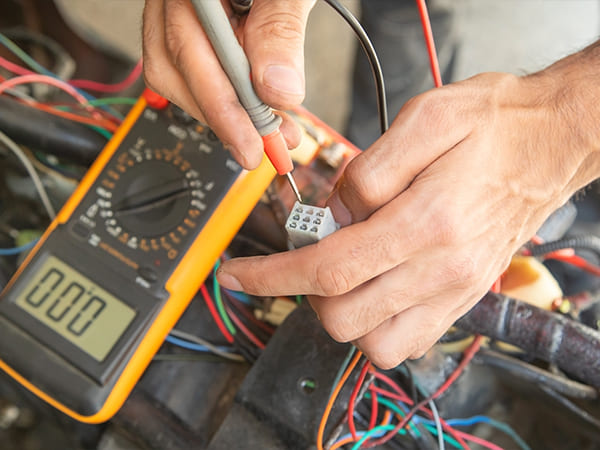
Why Toyota Electrical System Faults Matter
Few things are more annoying and potentially expensive than an electrical problem with your car. If you drive a Toyota, these issues can be anything from a small, weird quirk to a major safety hazard. Think about it: the electrical system is the lifeline for everything—your lights, the ignition, the fuel pump, and the alternator. Ignoring a fault is asking for trouble; your car might act up, lose power, or just quit on you completely. Especially here in Belleview, FL, where the heat and humidity are tough on car parts, staying on top of your electrical system is a must.
How Toyota’s Electrical System Works: A Simple Breakdown
At the core of every vehicle’s electrical system is the battery, which provides the power needed to start the engine and keep various systems running. The system includes several key components:
- Alternator: Charges the battery while the engine is running.
- Starter Motor: Helps start the engine when you turn the key.
- Fuses and Relays: Protect the electrical components from overloads.
- Wiring Harness: Transfers electricity to various components.
- Sensors and ECU (Engine Control Unit): Manage the engine’s performance and systems.
Together, these components create a network that powers your car’s systems. If one part fails, it can affect other components, often causing widespread issues.
Common Electrical System Faults in Toyota Vehicles
There are several common electrical faults that Toyota owners might face:
- Dead Battery: Often caused by the battery’s age or a failing alternator. If your car is hard to start or the lights dim when you try to start it, you might be dealing with a dead or weak battery.
- Faulty Alternator: If the alternator isn’t charging the battery properly, the battery may drain quickly, causing the car to stall or not start.
- Blown Fuses or Relays: Fuses are designed to protect the electrical circuits from damage. If you have a dead system (lights, wipers, etc.), the fuse may have blown.
- Wiring Issues: Over time, the wiring in your vehicle can corrode or become damaged due to wear, heat, or rodents. This can result in short circuits or loss of power to certain systems.
- Malfunctioning Sensors: Sensors that monitor everything from engine performance to vehicle stability can fail over time. A malfunctioning sensor can trigger warning lights on the dashboard or cause poor vehicle performance.
Symptoms of Toyota Electrical System Faults: What to Look For
If your Toyota is showing signs of electrical system issues, it’s important to address them quickly. Here are some common symptoms:
- Dashboard Warning Lights: If multiple warning lights (e.g., check engine, battery, oil) come on at once, it could indicate a larger electrical issue, such as a failing alternator or electrical short.
- Difficulty Starting the Vehicle: If your vehicle struggles to start, you may have a weak or dead battery, faulty alternator, or starter motor problem.
- Dim or Flickering Lights: Flickering headlights or interior lights can signal a failing alternator or wiring issue.
- Malfunctioning Electronics: If your radio, power windows, or air conditioning suddenly stop working, it may indicate an electrical issue within the system.
- Frequent Blown Fuses: Constantly replacing fuses could point to an underlying electrical fault, such as a short circuit.
What Causes Toyota Electrical System Failures?
Several factors contribute to electrical system faults in Toyota vehicles:
- Aging Components: As your Toyota gets older, the battery, alternator, and wiring become more prone to wear and tear.
- Corrosion: The Florida climate, especially the high humidity in Belleview, can cause the battery terminals and wiring to corrode, affecting electrical performance.
- Overuse of Electronics: Constant use of high-power accessories (like headlights, air conditioning, or high-powered audio systems) can drain the battery and cause strain on the alternator.
- Poor Maintenance: Neglecting to replace worn-out parts, such as fuses, or skipping routine electrical inspections can lead to bigger issues down the road.
Preventive Measures: Best Practices for Maintaining Your Toyota’s Electrical System
Maintaining your Toyota’s electrical system is key to preventing issues before they escalate. Here are some tips:
- Regular Battery and Alternator Checks: Ensure your battery is tested during routine service and replace it every 3-5 years to prevent unexpected breakdowns.
- Keep Wiring in Good Condition: Regularly inspect your car’s wiring for visible damage or corrosion. Clean battery terminals to prevent corrosion.
- Check Fuses: Regularly check your vehicle’s fuses and replace them if needed to avoid system malfunctions.
- Use Quality Parts: Always use quality replacement parts that meet Toyota’s specifications. This will help maintain your car’s electrical system integrity.
- Routine Maintenance: Ensure your Toyota receives regular inspections, especially if you drive frequently in hot, humid, or coastal environments like Belleview, where heat and humidity can take a toll on the electrical system.
Cost, Risk, and Downtime: Why Timely Repairs Matter
Electrical system faults can quickly lead to larger issues if left unresolved. Here’s why you should act fast:
- Costly Repairs: Ignoring electrical issues can lead to costly repairs. Replacing an alternator or fixing a wiring issue can be expensive, especially if the problem causes additional damage to other systems.
- Vehicle Downtime: A major electrical fault can leave your car out of commission for days. Getting timely repairs helps reduce the amount of time you spend without your vehicle.
- Safety Concerns: Electrical failures can affect crucial vehicle systems such as airbags, braking, or engine control, which can compromise your safety.
Professional Insight from Gregg Smith Automotive
If you’re experiencing electrical issues in your Toyota, it’s best to consult a professional. At Gregg Smith Automotive in Belleview, FL, we can help diagnose and repair your Toyota’s electrical system. Our expert team is here to ensure your vehicle runs smoothly and safely.
Frequently Asked Questions (FAQ)
How can I tell if my Toyota has an electrical problem?
Look for symptoms like flickering lights, difficulty starting, dashboard warning lights, or malfunctioning electronics. These can indicate an electrical system issue.
Can I fix electrical problems myself?
Some minor issues like replacing a blown fuse can be handled by DIYers, but more complex problems like alternator failure or wiring issues should be addressed by a professional.
How long does a Toyota alternator typically last?
The average lifespan of an alternator is 80,000 to 100,000 miles. Regular maintenance can help extend its life.
How much does it cost to repair an electrical system fault?
Repair costs vary depending on the problem. Common repairs, such as replacing an alternator or repairing wiring, can cost anywhere from $200 to $1,000 or more.
How can I prevent electrical issues in my Toyota?
Regular maintenance, including battery checks, cleaning terminals, and replacing worn parts, can help prevent electrical issues and extend the life of your vehicle’s electrical system.
Key Takeaways on Toyota Electrical System Faults
Electrical system faults in your Toyota can lead to poor performance, safety concerns, and costly repairs. Regular inspections and timely repairs are essential to avoid major issues. In Belleview, FL, keeping your Toyota’s electrical system in top shape is especially important due to the local climate and driving conditions. Stay proactive with maintenance to keep your vehicle running smoothly and reliably.