

Did you know that a failing exhaust system can reduce your Honda’s fuel efficiency by up to 30%? In Belleview, FL, drivers regularly contend with high humidity, intense heat, and salt exposure from nearby coastal air. Combined with local driving patterns that involve stop-and-go traffic on CR 484 or daily commutes down US 301, these factors accelerate exhaust system wear.
In this guide to Honda exhaust system fixes, you’ll learn how the system works, what problems are common in Belleview, how professionals repair them, and why fixing them early saves money and protects your car.
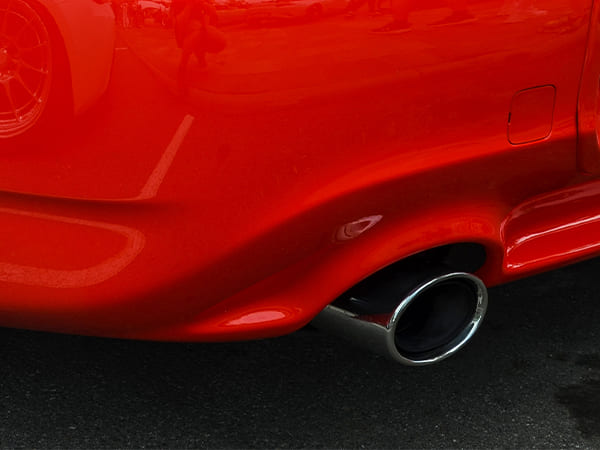
What Exactly Is the Exhaust System Doing?
Think of your Honda’s exhaust system as its respiratory system – it breathes out waste gases, muffles sound, and filters out harmful pollutants. Here are the key components and their jobs:
- Exhaust manifold (front of vehicle): Collects exhaust gases from engine cylinders.
- Oxygen sensors: Monitor air-to-fuel ratio.
- Catalytic converter: Converts harmful gases into less harmful emissions.
- Muffler: Reduces engine noise.
- Tailpipe (rear): Releases treated gases into the air.
“Honda exhaust systems are efficient but compact, meaning heat and road exposure affect them more quickly,” notes Dave, an ASE-certified tech at Gregg Smith Automotive.
What Repairs Are Typically Needed?
1. Leak Sealing & Gasket Replacement
Leaks are often found at pipe joints or gaskets. Technicians may:
- Perform smoke tests
- Replace leaking gaskets
- Reseal flanges
2. Rust and Corrosion Treatment
Belleview’s humid climate speeds up rust. Solutions include:
- Replacing corroded clamps or sections
- Installing rust-resistant stainless-steel piping
- Applying anti-corrosion spray during service
3. Catalytic Converter Fixes
Clogged or failing converters may trigger engine codes like P0420. Solutions:
- Cleaning or replacing the converter
- Checking for related sensor faults
4. Muffler Overhauls
Symptoms: louder noise, vibrations. Fixes include:
- Installing a new muffler
- Replacing worn hangers or heat shields
The Payoff: Why Timely Repairs Make Sense
- Better MPG: Sealed systems prevent fuel-rich exhaust conditions.
- Safety First: Leaks can allow carbon monoxide into the cabin.
- Quieter Drive: No more annoying rattles or drones on Belleview back roads.
- Legal Compliance: Functional systems are required for emissions testing.
Ignoring that hiss or rattle could cost you up to $1,500 later in converter or pipe damage.
From Rusted Pipe to Reliable Drive: Case Study
- Issue: Loud rumble, check engine light on
- At Gregg Smith Automotive:
- Found a 3” rusted hole in front pipe
- P0420 code confirmed catalytic inefficiency
- Repairs:
- New pipe welded in
- OEM catalytic converter installed
- Replaced gaskets and sensors
- Outcome:
- Quieter ride
- 4 MPG improvement
- Saved $200 in fuel over 3 months
Local Factors Affecting Your Honda’s Exhaust System in Belleview
Climate data: Belleview’s proximity to the Gulf and Atlantic coasts means the area experiences consistently high humidity levels year-round. According to the Central FL Auto Association, this environment raises the risk of undercarriage rust by up to 25%, especially in vehicles parked outdoors or driven regularly on damp mornings.
Terrain: The region’s suburban layout leads to frequent short trips—from school drop-offs to quick errands—which means your Honda’s exhaust system often doesn’t get hot enough to evaporate moisture. This trapped condensation accelerates internal pipe corrosion, especially in mufflers and joints.
Local roads: Heavily traveled routes like CR 25, Hwy 484, and US 301 subject vehicles to constant vibration, loose debris, and road salt residue. These stressors increase wear on hangers, gaskets, and weld points, particularly in compact systems like those found in Honda sedans and Civics.
Spot the Signs Before It Gets Worse
- Rattling sounds undercarriage
- Hissing or ticking noises
- Strong exhaust smell inside
- Check-engine light (codes like P0420)
- Visible rust or hanging parts under the vehicle
Keep Your Honda Breathing Easy in Belleview
Your Honda’s exhaust system might be out of sight, but it shouldn’t be out of mind—especially in Belleview, FL. From noisy mufflers to failing catalytic converters, timely Honda exhaust system fixes save money, ensure safety, and keep your ride performing its best.
Gregg Smith Automotive in Belleview, FL specializes in precise diagnostics and durable repairs. Our team uses OEM-quality components and offers friendly service—so you get reliable, long-lasting results.
Contact us today to book your inspection or exhaust repair.
Frequently Asked Questions
1. How long does an exhaust repair usually take?
Most simple repairs, like replacing a pipe or muffler, can be done in 2–3 hours, depending on how accessible the area is and the parts involved. A full catalytic converter replacement usually takes 4–6 hours, especially if sensor recalibration or emissions testing is required afterward. Shops like Gregg Smith Automotive also factor in rust and weathering, which may add time if components are seized.
2. Will a cracked exhaust affect my mileage right away?
Yes, a cracked or leaking exhaust system can cause a noticeable drop in fuel efficiency. This is due to disrupted back-pressure, which forces the engine to work harder. Many drivers notice a 5–10% loss in MPG, especially on stop-and-go commutes. Over time, this adds up to higher fuel costs and potential engine strain.
3. How much does a catalytic converter cost?
OEM catalytic converters for Hondas typically range from $500 to $1,200 installed, depending on the model and emissions standard. Aftermarket options may cost less, sometimes around $300–$700, but it’s crucial to verify local emissions compliance and warranty coverage. In Belleview, emissions regulations are strict enough that non-compliant parts can cause inspection failure.
4. Can I fix an exhaust at home?
There are DIY patch kits and temporary sleeves that can mask minor leaks, but these aren’t long-term solutions. Professional repairs ensure the exhaust is safely sealed, maintains fuel efficiency, and passes legal inspections. Home fixes may also fail to address underlying corrosion or sensor faults.
5. Are there warning lights for exhaust issues?
Absolutely. The most common is the check engine light, triggered by codes like P0420 (catalyst efficiency below threshold) or P0171 (lean fuel mixture). Other signs include exhaust smells inside the car, noisy exhaust, or even visible rust holes. If you see or smell any of these, it’s best to get it inspected right away—ignoring them could lead to costly damage or health risks from carbon monoxide leaks.