

If you’re a Honda owner in Belleview, FL, and your vehicle has been showing signs of emissions-related issues, it’s important to address them quickly. The emissions system in your Honda is responsible for reducing the pollutants your vehicle emits, helping maintain a cleaner environment and keeping your car running efficiently. When there’s a malfunction in the system, it can result in poor performance, increased fuel consumption, and even legal issues related to emissions testing.
In this blog post, we’ll dive into the details of Honda emissions system repairs, explain common issues, how they are diagnosed, and the benefits of regular emissions system maintenance. Plus, we’ll share a real-world case study from our shop, providing practical insights.
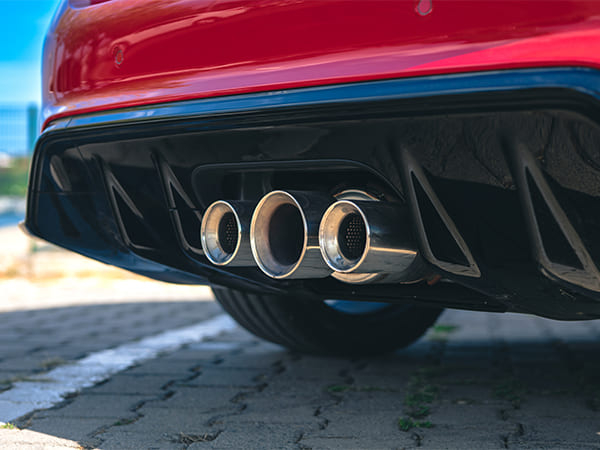
What Is the Honda Emissions System?
The emissions system in your Honda is made up of several components designed to minimize harmful gases released into the atmosphere. It ensures that your vehicle meets federal and state emissions standards while optimizing fuel efficiency. Key parts of the emissions system include:
- Oxygen Sensors: Monitor the levels of oxygen in the exhaust gases and send signals to the engine control unit (ECU) for adjustments to fuel combustion.
- Catalytic Converter: Converts harmful gases like carbon monoxide and nitrogen oxides into less harmful emissions such as carbon dioxide and water vapor.
- Exhaust Gas Recirculation (EGR) Valve: Reduces nitrogen oxide emissions by redirecting some exhaust gases back into the engine’s combustion chambers.
- Evaporative Emission Control (EVAP) System: Prevents fuel vapors from escaping into the atmosphere by capturing them and directing them back into the engine.
- PCV Valve: Aids in the removal of gases from the crankcase, reducing harmful emissions.
All these components work together to make sure your Honda meets environmental standards and runs efficiently. When one or more parts of this system malfunction, it can trigger warning lights or cause engine issues.
Common Emissions System Problems in Honda’s
There are several common issues that can arise with the emissions system in your Honda. Here are some of the most frequent problems:
1. Faulty Oxygen Sensors
Oxygen sensors play a critical role in the emissions system by monitoring the level of oxygen in the exhaust gases and sending this data to the ECU. If the oxygen sensor is faulty or fails, it can lead to incorrect fuel-air mixture adjustments, resulting in poor fuel economy, higher emissions, and engine performance issues.
Signs of a Faulty Oxygen Sensor:
- Decreased fuel efficiency
- Rough engine idling
- Check engine light on
- Failed emissions test
2. Clogged Catalytic Converter
The catalytic converter plays a crucial role in reducing harmful emissions by transforming toxic gases into less harmful compounds.Over time, it can become clogged with debris or exhaust deposits, causing engine power loss, increased fuel consumption, and poor exhaust flow.
Signs of a Clogged Catalytic Converter:
- Reduced engine performance
- Increased fuel consumption
- Strange smells or visible smoke from the exhaust
- Engine misfires or stalling
3. EVAP System Leaks
The EVAP system prevents fuel vapors from escaping into the atmosphere. If there is a leak in the system—often due to a damaged gas cap or broken hose—it can trigger the check engine light and lead to higher fuel consumption. This issue also causes problems with passing emissions tests.
Signs of EVAP System Leaks:
- Check engine light on
- Fuel vapors near the vehicle
- Difficulty filling up your gas tank
- Decreased engine performance
4. EGR Valve Issues
The Exhaust Gas Recirculation (EGR) valve helps reduce nitrogen oxide emissions by recirculating some exhaust gases back into the engine’s combustion chambers. If the EGR valve becomes clogged or fails, it can cause engine knocking, decreased performance, and an increase in harmful emissions.
Signs of EGR Valve Issues:
- Rough idling
- Decreased engine performance
- Increased emissions during an emissions test
5. PCV Valve Problems
The Positive Crankcase Ventilation (PCV) valve regulates the release of gases from the crankcase. If the valve becomes clogged or faulty, it can cause engine oil leaks, increased pressure, and poor engine performance.
Signs of PCV Valve Problems:
- Oil leaks around the engine
- Increased oil consumption
- Poor engine performance
The Importance of Timely Emissions System Repairs
A malfunctioning emissions system can cause several issues, not just for your car but for the environment. Here are some of the key benefits of addressing emissions system repairs promptly:
1. Maintain Vehicle Performance
An efficient emissions system ensures that your Honda runs at its peak performance. When your emissions system is functioning properly, your engine runs more smoothly, and you can avoid a decrease in engine power and fuel economy.
2. Lower Fuel Consumption
Fixing issues like faulty oxygen sensors or a clogged catalytic converter helps restore your Honda’s fuel efficiency. Ignoring these issues can cause poor fuel economy, leading to higher costs at the pump.
3. Pass Emissions Tests
In Florida, passing emissions testing is required to register your vehicle. Ensuring that your emissions system is in good shape means you won’t have to worry about failing emissions tests and the potential fines or delays that come with it.
4. Reduce Harmful Emissions
By maintaining a properly functioning emissions system, you are doing your part to reduce pollutants released into the environment. A well-maintained system ensures fewer harmful gases are emitted from your vehicle, helping to reduce air pollution in Belleview, FL, and beyond.
Real-World Case Study: Honda Emissions System Repair in Belleview, FL
Customer: 2012 Honda Accord (~95,000 miles)
Symptoms Noticed:
- Illuminated check engine light
- Rough idling
- Decreased fuel efficiency
What We Found:
After performing a detailed diagnostic check, we identified that the oxygen sensor was malfunctioning. The faulty sensor was causing incorrect fuel mixture adjustments, which led to the rough idle, poor fuel economy, and increased emissions.
Our Solution:
We replaced the faulty oxygen sensor with a new one and conducted a full inspection of the emissions system. This included checking the catalytic converter, EGR valve, and other critical components to ensure everything was functioning as it should.
The Outcome:
Once the repair was completed, the check engine light turned off, and the engine idled smoothly. The customer experienced a noticeable improvement in fuel economy, and the vehicle passed the next emissions test with no issues.
Supporting Data & Industry Insights
- Oxygen Sensor Failure: According to the Car Care Council, approximately 40% of vehicles on the road today have a malfunctioning oxygen sensor, which can lead to increased emissions and poor fuel economy.
- Catalytic Converter Life: The Environmental Protection Agency (EPA) estimates that a clogged or faulty catalytic converter can cause up to a 30% drop in fuel efficiency, costing drivers hundreds of dollars annually.
- EVAP System Leaks: According to a study by Automotive Service Excellence (ASE), leaks in the EVAP system are one of the most common reasons for a vehicle to fail emissions testing.
Keep Your Honda’s Emissions System in Top Shape
Maintaining a well-functioning emissions system is essential for keeping your Honda running smoothly, passing emissions tests, and reducing your environmental impact. If you’re experiencing issues with your emissions system, it’s crucial to address them promptly to avoid costly repairs and keep your vehicle running at its best.
At Gregg Smith Automotive, we specialize in diagnosing and repairing Honda emissions systems in Belleview, FL. Don’t let emissions problems get in the way of your vehicle’s performance. Schedule an appointment today and keep your Honda running clean and efficient. Explore our blog for more helpful tips and stay on top of your vehicle’s maintenance needs.
FAQs About Honda Emissions System Repairs
1. How do I know if my Honda is having emissions problems?
Signs of emissions problems include the check engine light, rough idling, poor fuel economy, or trouble passing emissions tests.
2. How often should I have my emissions system checked?
It’s recommended to have your emissions system checked as part of your vehicle’s regular maintenance schedule, typically every 30,000 to 50,000 miles.
3. How much do Honda emissions system repairs cost?
The cost of emissions system repairs can vary based on the issue. For example, replacing an oxygen sensor may cost between $150 and $300, while a catalytic converter replacement could range from $1,000 to $2,000.
4. Can I drive with a failing emissions system?
While it’s possible to drive with a malfunctioning emissions system, it’s not recommended as it can lead to further damage to your vehicle, reduced performance, and higher emissions.
5. How can I improve my vehicle’s emissions system?
Regular maintenance, including replacing worn-out parts like oxygen sensors, EGR valves, or the catalytic converter, will keep your emissions system running efficiently and ensure compliance with emissions standards.