

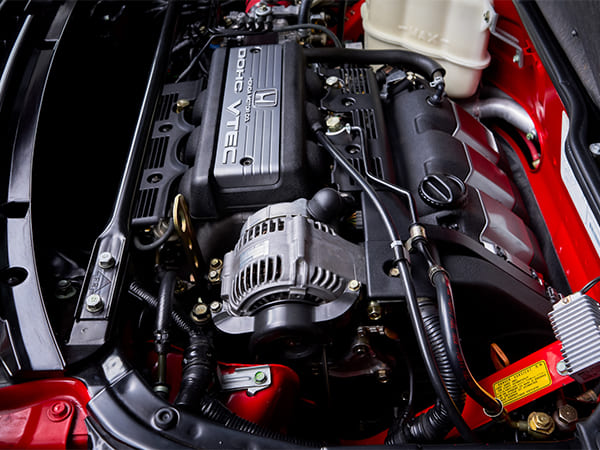
According to AAA data, alternator and charging system failures cause more than 30% of roadside breakdowns in Florida during peak summer months. Here in Belleview, the combination of high humidity, heavy A/C use, and frequent short commutes along US-441 puts extra strain on your Honda’s alternator.
One Belleview Accord owner recently noticed her headlights dimming whenever she stopped at a red light. The cause wasn’t the battery — it was an alternator bearing worn down from years of heat fatigue. Knowing how to spot these issues early can save you from an unexpected breakdown.
This guide covers how Honda alternators work, signs of trouble, Belleview-specific stress factors, diagnostic steps, repair methods, and preventive care tips to keep your charging system healthy year-round.
How Your Honda Alternator Works
The alternator is responsible for keeping your battery charged and powering all electrical systems when the engine is running. In Hondas, the system typically consists of:
- Rotor & Stator — Work together to create alternating current (AC) through magnetic induction.
- Rectifier — Converts AC to direct current (DC) for your battery and accessories.
- Voltage Regulator — Keeps output stable to protect sensitive electronics.
A healthy alternator ensures your headlights remain bright, your electronics run smoothly, and your battery stays fully charged.
Belleview Driving Conditions That Shorten Alternator Life
| Local Factor | Impact on Alternator |
| High summer heat (90°F+) | Causes faster wear on bearings, diodes, and regulators |
| Humidity & storms | Corrodes terminals and wiring |
| Short daily trips | Prevents battery from fully recharging |
| Heavy accessory use | Puts extra load on alternator output |
| Stop-and-go traffic | Generates more heat and mechanical strain |
Readiness & Safety Before You Start Repairs
- Tools Needed — Digital multimeter, belt tension gauge, safety gloves.
- Safety First — Disconnect the battery before handling alternator wiring.
- Know When to Stop — If you hear grinding noises or smell burning, internal damage may require professional replacement.
Step-by-Step Honda Alternator Testing & Repair Process
- Initial Voltage Check
- With the engine off, the battery should read about 12.6 volts. Anything below 12.4 V suggests the battery may already be undercharged.
- Start the engine and measure again — you should see between 13.5 and 14.5 volts. This range indicates the alternator is supplying adequate charge to the battery under normal conditions.
- With the engine off, the battery should read about 12.6 volts. Anything below 12.4 V suggests the battery may already be undercharged.
- Load Test the Charging System
- Turn on high-draw accessories like headlights, A/C, rear defroster, and the radio.
- If the voltage drops below 13 volts and doesn’t recover quickly, the alternator may be struggling to meet demand.
- Turn on high-draw accessories like headlights, A/C, rear defroster, and the radio.
- Inspect the Drive Belt and Pulley
- Look for cracks, fraying, glazing, or looseness. A worn belt can slip under load, reducing alternator output.
- Also check the pulley alignment — misalignment can cause belt wear and charging inconsistencies.
- Look for cracks, fraying, glazing, or looseness. A worn belt can slip under load, reducing alternator output.
- Check Electrical Connections and Grounds
- Corrosion or loose connections at the alternator’s B-terminal or ground points can reduce charging efficiency.
- Clean terminals with a wire brush and apply dielectric grease to prevent future corrosion, especially in Belleview’s humid climate.
- Corrosion or loose connections at the alternator’s B-terminal or ground points can reduce charging efficiency.
- Regulator and Diode Testing
- Use a multimeter in diode mode to test the rectifier diodes. Irregular readings suggest internal alternator faults.
- For voltage regulators, monitor output during both idle and acceleration — wide fluctuations indicate the regulator is failing.
- Use a multimeter in diode mode to test the rectifier diodes. Irregular readings suggest internal alternator faults.
- Repair or Replace as Needed
- Minor issues like belt tension or corroded terminals can often be fixed without replacing the alternator.
- If testing reveals damaged diodes, a faulty regulator, or worn bearings, replacing the alternator with an OEM-quality or remanufactured unit is recommended.
- After installation, recheck voltage output to confirm the repair was successful.
- Minor issues like belt tension or corroded terminals can often be fixed without replacing the alternator.
Common Alternator Problems & Repair Potential
Not all alternator issues mean you need a complete replacement — some problems can be resolved with simple adjustments or cleaning. The table below outlines the most common alternator faults seen in Hondas, the symptoms you might notice, and the likelihood that each can be repaired without installing a brand-new unit.
| Problem | Symptom | Likelihood Repairable Without Replacement |
| Loose/Cracked Belt | Squealing, undercharging | High |
| Corroded Terminals | Intermittent charging | High |
| Worn Bearings | Grinding noise | Low |
| Bad Voltage Regulator | Over/undercharging | Medium |
| Faulty Diodes | Dim lights, battery drain | Medium |
Proactive Care Tips to Extend Your Honda Alternator’s Lifespan
Taking a few simple steps throughout the year can dramatically increase the service life of your alternator — especially in Belleview, where heat and humidity are constant challenges.
- Inspect and Adjust Belt Tension Twice a Year — A properly tensioned belt ensures the alternator spins efficiently, preventing slippage, premature wear, and power loss during peak electrical demand.
- Clean Terminals Every Rainy Season — Corrosion buildup is accelerated by Florida’s wet, humid climate. Cleaning and applying dielectric grease creates a protective barrier that keeps connections strong.
- Test Battery Health Regularly — A weak or aging battery forces the alternator to work harder than necessary, increasing heat and strain on internal components.
- Address Warning Lights Early — Don’t ignore the battery or charging light on your dash. Acting quickly can prevent total alternator failure and avoid being stranded unexpectedly.
Belleview Case Study: Two Alternator Problems, Two Different Fixes
In one busy week, two very different alternator issues came into a Belleview shop. The first was a 2017 Honda Civic, whose owner complained of flickering dashboard lights during hot afternoon commutes. Voltage testing revealed fluctuations between 12.9 and 14.8 volts, pointing to a failing voltage regulator — a problem made worse by Florida’s summer heat. Replacing the regulator restored steady output and stopped the flickering for good.
The second vehicle, a 2014 Honda CR-V, showed intermittent charging failures. On inspection, corrosion was found on the alternator’s B-terminal — the result of repeated exposure to storm-season moisture. After cleaning the terminal thoroughly and applying protective dielectric grease, the alternator returned to full, reliable charging performance.
These two cases highlight how Belleview’s climate — from intense summer heat to high post-storm humidity — can affect alternator health in very different ways, and how the right diagnosis can lead to quick, effective fixes.
Keep Your Honda Charged and Reliable
Your alternator is essential to keeping your Honda running smoothly, especially in Belleview’s heat and humidity. Knowing the warning signs, performing regular maintenance, and acting quickly on issues can save you from costly breakdowns.
Schedule your Honda alternator diagnostics or repair at Gregg Smith Automotive today — with over 20 years of hands-on Honda experience and local climate expertise, we’ll keep your charging system in peak condition year-round.
FAQs — Voice Search Ready
1. How do I know if my Honda alternator is failing?
Watch for dimming headlights, battery warning lights, or repeated jump-starts.
2. Can I drive with a bad alternator in Belleview?
Not for long — a failing alternator will eventually drain the battery completely.
3. How much does alternator repair cost for Hondas?
Costs vary, but early fixes like belt or terminal cleaning are far cheaper than full replacement.
4. Does Belleview’s climate really affect alternator life?
Yes — heat and humidity accelerate component wear and corrosion.
5. How often should I check my alternator?
Every 6–12 months, or sooner if you notice electrical performance changes.