

In Belleview, FL, where summer humidity and year-round road dust challenge your Honda every day, spark plugs often wear out sooner than you think. Did you know that one misfiring spark plug can reduce fuel efficiency by up to 30%? Especially with frequent short trips along CR 25 or Hwy 484, your Honda may not even warm up enough to clear built-up moisture in the ignition chamber.
This article explains the essential role of spark plugs in your Honda, how replacement is professionally handled, and why it matters for both performance and long-term savings. You’ll also get a look at a real case from Belleview, supporting data on spark plug wear, and expert tips to help you decide whether to DIY or trust a local pro.
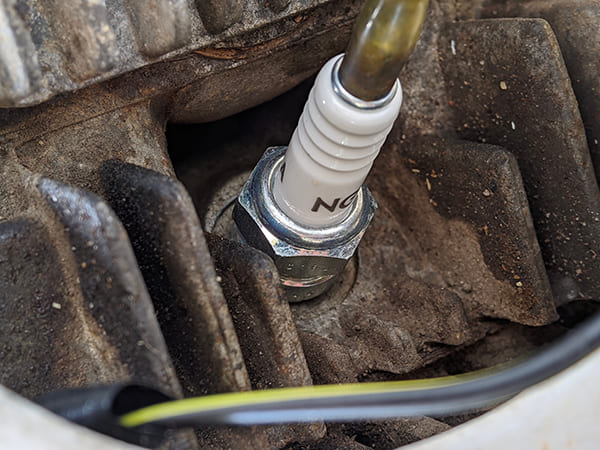
Understanding Spark Plugs and Their Purpose
A spark plug is essentially the ignition system’s heartbeat. It delivers high-voltage electricity from your ignition coil to ignite the air-fuel mix inside your Honda’s engine cylinders. Without this tiny explosion, your engine can’t produce power. But over time, spark plugs degrade, collect carbon deposits, and widen the spark gap—reducing their effectiveness.
In Hondas, worn plugs may cause:
- Rough idling
- Engine hesitation
- Reduced fuel economy
- Trouble starting
- Failing emissions tests
Honda models like the Civic, CR-V, and Accord all rely on precise spark timing. A worn plug disrupts that balance.
How the Replacement Process Works
Replacing spark plugs isn’t just unscrewing one part and inserting another. At Gregg Smith Automotive, here’s how a proper plug change is done:
1. Pre-Inspection & Safety Check
- Allow engine to cool
- Disconnect battery to prevent electrical shorts
2. Accessing Spark Plugs
- Remove engine cover and ignition coil packs
- Use compressed air to blow out debris around plug wells
3. Removing Old Plugs
- Use spark plug socket with swivel extension
- Carefully unthread each plug and inspect for fouling, rust, or oil
4. Gap & Install New Plugs
- Set correct gap (usually 0.044″ for Honda) using a gap tool
- Apply anti-seize compound if recommended
- Insert and torque to manufacturer spec (~13 lb-ft)
5. Reassemble and Test
- Reinstall coils, connectors, and covers
- Start engine and check idle, throttle response, and fault codes
Tools commonly used:
- Torque wrench
- Spark plug socket
- Anti-seize compound
- Dielectric grease
Why Fresh Spark Plugs Make a Difference
Here’s what you gain by staying on top of this simple maintenance item:
1. Smoother Performance
Sharp spark means cleaner combustion. You’ll feel the difference when accelerating from a stoplight on US 301 or merging onto SR 40.
2. Better Fuel Economy
One bad plug forces your Honda to work harder. Replacing all plugs can restore 2–4 MPG, especially noticeable in city driving.
3. Easier Starts
On those humid Belleview mornings, fresh plugs fire reliably. No more cranking or sputtering at school drop-off.
4. Reduced Emissions
Worn plugs = incomplete combustion. Replacing them improves emissions and helps pass any future inspections.
5. Longer Engine Life
Cleaner burns mean fewer carbon deposits inside the engine. This protects your catalytic converter and oxygen sensors.
Honda Civic Cold-Start Repair Case Study
Joyce M., a Belleview resident, brought in her 2014 Honda Civic EX with 85,000 miles after experiencing persistent cold-start issues and an uneven idle. Every morning, especially after being parked overnight, the car hesitated to start and felt sluggish for the first several minutes of driving.
At Gregg Smith Automotive, technicians inspected the ignition system and discovered the original copper-core spark plugs were heavily carbon-fouled and had an excessive gap from wear. They installed new NGK iridium plugs, carefully torqued to factory specs, and applied dielectric grease to ensure strong, moisture-resistant contact with the ignition boots.
The results were immediate. Start-up time dropped from 10 seconds to just 4, the idle smoothed out completely, and fuel efficiency improved by nearly 2 miles per gallon. Joyce was thrilled, saying, “My Civic feels brand new again. I didn’t realize spark plugs could cause all that.”
Key Insights on Spark Plug Lifespan
According to Honda and multiple third-party studies:
- Recommended intervals: 60,000 to 100,000 miles depending on model and plug type
- Iridium plugs retain 95% of performance for up to 120k miles, but only in ideal conditions
- Belleview conditions (humidity + short trips) often reduce plug lifespan by 20–30%
- A misfiring plug can increase emissions by 40% and reduce catalytic converter life
DIY or Bring It In? Comparing Your Options
DIY Replacement:
Pros:
- Saves on labor ($50–70)
- Learning opportunity
Cons:
- Risk of over-tightening or cross-threading
- Access is difficult in newer models (especially V6 engines)
Professional Service:
Pros:
- Precision torque and gap tools
- Coil, wire, and injector inspection included
- Peace of mind
Cons:
- Higher cost, but you’re paying for accuracy and longevity
Local Impact: Why Belleview Drivers Should Act Sooner
Local roads like CR 25, Hwy 484, and US 301 expose your Honda to:
- Road debris and dust
- Stop-and-go traffic that shortens warm-up cycles
Combine that with humidity, and spark plug fouling happens faster than Honda engineers anticipate.
“We often see premature fouling from Belleview commuters who drive short distances daily,” says Mike, shop foreman at Gregg Smith Automotive.
Time to Act: Get Your Spark Back
Replacing Honda spark plugs isn’t just about performance—it’s about reliability, fuel savings, and engine health. For Belleview drivers, our climate makes timely service even more critical.
Whether you DIY or prefer professional help, don’t ignore those signs of trouble.
Gregg Smith Automotive in Belleview, FL offers precise spark plug replacement, ignition diagnostics, and preventive care to keep your Honda running strong. Their ASE-certified techs use only top-quality parts and factory torque specs.
Schedule your service today and feel the difference new spark plugs make.
FAQs About Spark Plug Replacement
1. How often should I replace Honda spark plugs?
Most Honda models use iridium plugs that last 60,000 to 100,000 miles. But in Belleview, consider earlier checks due to humidity and short trips.
2. Can worn spark plugs really damage my engine?
Yes—they cause misfires, increase emissions, and can damage your catalytic converter or oxygen sensors, which are expensive to replace.
3. Is it safe to drive with bad spark plugs?
You might get by temporarily, but performance will suffer, and long-term damage is possible. Always address spark issues promptly.
4. Are OEM plugs better than aftermarket?
OEM plugs (like NGK or Denso for Honda) are calibrated for your engine. Aftermarket plugs can work if they match specs, but quality varies.
5. How much does it cost to replace spark plugs professionally?
Expect to pay around $120 to $200, depending on your Honda model and plug type. This includes parts, labor, and a system check.