

Owning an Acura means you’ve invested in engineering, refinement, and reliable performance. But in Belleview, FL—where high humidity, coastal conditions, and stop‑and‑go traffic can challenge your cooling system—your radiator plays a critical role. Let’s explore how radiator problems develop, how to catch and repair them early, how you benefit from proactive care, and a real‑world case to bring it home.
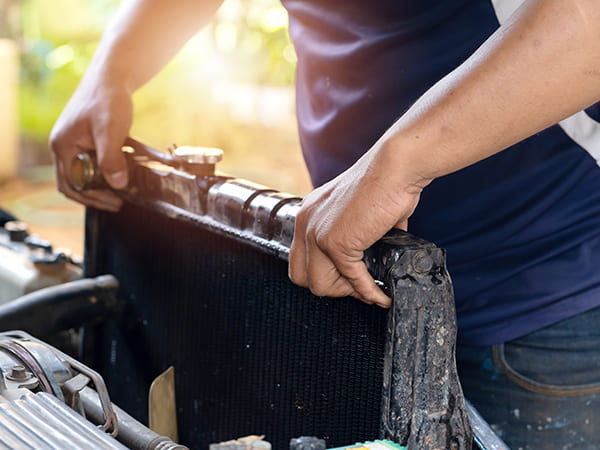
What the Radiator Does & Why It Matters for an Acura
Your Acura’s radiator is the heart of its engine‑cooling system. Coolant absorbs heat from the engine block, then travels to the radiator, where air flowing through radiator fins dissipates that heat.
When the radiator or associated components falter, engine temperature climbs, components wear faster, efficiency drops—and you risk major damage. For an Acura, the precision of the cooling system aligns with the vehicle’s performance standards. Neglecting this part erodes the ride and reliability you expect.
How Radiator Damage Happens: The Process & Pitfalls
Here are the most common failure paths—especially relevant in Belleview’s environment:
1. Coolant leaks and corrosion
When you see coolant puddles, coloured fluid, or an odd sweet smell, your radiator or hoses may leak. These leaks reduce the system’s ability to maintain the correct temperature. Corrosion inside the radiator’s tubes decreases heat‑transfer efficiency, leading to overheating.
2. Pressure loss and overheating
The radiator cap and the pressurised cooling system matter. A faulty cap fails to maintain the system’s designed pressure—which lowers the coolant’s boiling point and allows overheating.
3. Blockage and airflow issues
Debris, bent fins, or damage can reduce airflow and affect cooling. Road‑debris, salt air and tree litter common in Florida can aggravate this.
4. Wear of hoses, connections and other components
Hoses age in heat and humid climates, clamps loosen, and connections leak. If the radiator is fine but hoses fail, the system falters.
5. Secondary effects in Florida traffic
In Belleview’s hot summer days and frequent stop‑and‑go traffic, your radiator works harder. Idling or low‑speed traffic limits airflow, increasing stress on the cooling system. If combined with a weak radiator component, trouble can follow quickly.
Radiator Repair & Maintenance Tips for Your Acura in Belleview
If you drive an Acura around the Belleview/Marion County region, here’s a proactive checklist to keep your radiator and engine cooling system performing strong:
✅ Routine inspections
- Inspect coolant level and condition every few months. Low or dirty coolant signals trouble.
- Look under your vehicle for coloured puddles (green, orange, pink) which suggest leaks.
- Check radiator cap condition: Is the seal intact? Is the cap properly rated for your vehicle?
- Examine hoses for cracks, softness, bulges or loose clamps.
- Scan radiator fins and face for debris, bent fins, or corrosion (especially after storms or salt‑air exposure).
✅ Follow recommended coolant change intervals
Manufacturers often recommend coolant replacement every 5 years or ~100,000 miles (varies by model). Fresh coolant helps prevent internal corrosion and maintains fluid chemistry.
✅ Ensure proper airflow & fan operation
At idle or in traffic (common for Belleview commuters), cooling fans and shrouds must work properly. If your Acura live in a high‑humidity, warm area and the fan isn’t pulling air, risk of overheating increases significantly.
✅ Fix leaks fast
Any leak—from the radiator core, hoses, clamps, or the cap—needs attention. Even a minor leak reduces coolant volume or pressure, which escalates into bigger repair later.
✅ Use correct parts and mix
When you repair or replace parts, use components rated for your specific Acura model (radiator core, hoses, clamp types, radiator cap pressure rating). After repair, refill with the correct coolant type and mixture. Don’t shortcut.
✅ Monitor for signs of trouble & act early
If your Acura’s temperature gauge creeps up, you smell coolant, or you notice performance changes (like air conditioning not cooling as well), act quickly. Because in a warm climate zone like Belleview, heat damage accumulates fast.
Benefits of Timely Radiator Repair & Maintenance
Understanding the “what’s in it for me” makes the effort worth your while:
- Prevents engine overheating: A well‑maintained radiator keeps engine temps in safe range, avoiding head gasket failure, warped heads or full engine rebuilds.
- Extends engine life: Engines operate longer and more reliably when kept cool and stable.
- Improves fuel efficiency and performance: When the cooling system works properly, the engine runs at optimal temperature—and that helps fuel economy and power.
- Reduces repair costs: It’s much cheaper to fix a hose or radiator cap than to rebuild an overheated engine.
- Peace of mind for Florida driving conditions: From high temps to stop‑and‑go traffic and occasional stormy weather in Belleview, you’ll drive with more confidence.
Real‑World Case Study: An Acura Radiator Repair in Belleview
Let’s take a look at a Belleview‑area scenario: A 2015 Acura RDX owner noticed the engine running slightly warmer than usual after a drive from Belleview toward Ocala. The cooling fan occasionally ran louder, and the driver saw a small pink puddle under the front passenger side after parking.
Diagnosis:
- A small leak was found in a hose clamp on the radiator outlet line (corroded clamp).
- Some radiator fins had been crushed and blocked airflow, likely from a roadside impact with debris.
- The radiator cap’s spring had weakened and no longer held proper pressure.
Repair actions:
- Replaced the corroded clamp and hose section.
- Cleaned bent fins and restored airflow path.
- Installed a new radiator cap with the correct pressure rating for the Acura model.
- Flushed coolant and refilled with the correct mix.
Outcome:
Within a week, engine temperature stabilized—even during Belleview’s hot afternoon idling traffic. No puddles reappeared and fuel efficiency improved slightly. Over the next year, the owner saved potential costs of major engine repairs and felt confident driving locally and on trips.
This shows how timely radiator repair and maintenance makes a difference.
Evidence & Data That Back This Up
- A deep‑dive article on cooling systems indicates that pressure loss (via radiator cap) can reduce the coolant’s boiling point and significantly increase risk of overheating.
- An overview of leak causes shows distributed sources such as hoses, clamps, radiator damage and cap failure—each avoidable with inspection and maintenance.
- A service article cites five reasons to maintain the cooling system, including preventing damage and preserving fuel efficiency.
In practical terms for Belleview: Hot summer days, high humidity and frequent traffic stops mean your Acura’s radiator system does more work than average. Applying the repair‑and‑maintenance tips above offsets that extra stress.
Keep Your Acura’s Radiator Working and Your Engine Cool
When you drive your Acura around Belleview—or take it on a longer Florida mission—the radiator plays a silent but essential role. By inspecting hoses and clamps, ensuring proper airflow, replacing weakened parts like caps, and reacting early to any sign of trouble, you protect the investment you’ve made and ensure the driving experience stays smooth.
If you’ve noticed any cooling system oddities—warm idling engine, coolant puddles, sweet smells, or diminished air‑conditioning performance—it’s wise to take action now. For tailored care for your Acura’s cooling system, turn to the experts at Gregg Smith Automotive.
Check out our other articles on cooling system check‑ups, radiator replacement and engine protection to stay ahead of repairs and keep your drive dependable.
Frequently Asked Questions (FAQs)
How often should I have the radiator checked in Belleview, FL?
- Check your radiator system once a year or every 12 months—even if you haven’t had apparent issues. In Belleview’s climate, more frequent checks (every 6 months) are prudent if you drive heavily in stop‑and‑go traffic or near coastal salt‑air zones.
Why is my Acura making a sweet smell and some steam under the hood after driving in Belleview heat?
- A sweet smell or visible steam often means coolant is leaking (or vaporising) in the engine bay—common radiator hose or clamp failure, or a weakened cap. Get it inspected promptly.
Can I replace the radiator cap myself on my Acura?
- Yes, replacing the radiator cap is a relatively simple DIY task if you purchase the correct pressure‑rating cap for your model. However, ensure the system is cool, inspect surrounding components, and follow manufacturer instructions. If unsure, have a professional handle it.
My temperature gauge occasionally creeps into the red zone during Belleview traffic—what should I do?
- That’s a warning sign. Stop driving, let the engine cool safely, then later inspect the radiator hoses, check coolant level, inspect for debris in the radiator fins, and test the fan operation. If no obvious cause is found, schedule a professional inspection.
Do I need to flush my Acura’s cooling system and replace the radiator at certain intervals in Florida?
- Yes. Cooling system flushes are typically recommended every 5 years or ~100,000 miles (check your model’s maintenance guide). Radiator replacement depends on condition: if there’s corrosion, leaks, internal blockages or external damage, replacement is more cost‑effective than repeated repairs.