

If your Acura suddenly won’t start in your Belleview, FL garage or you’re noticing repeated low‑battery warnings, battery drain may be the culprit. Battery drain happens when your vehicle’s 12‑volt battery loses charge unexpectedly—either while parked or during normal use. If you drive in Belleview, the hot, humid weather plus lots of short runs wears a battery down faster and raises the risk of electrical drain.
Simply replacing the battery isn’t always the solution. To truly fix an Acura battery drain, you must understand what’s draining the battery, test the system correctly, and address root causes. This guide walks you through how to fix Acura battery drain in Belleview, FL with detailed steps, useful examples, and reliable data.
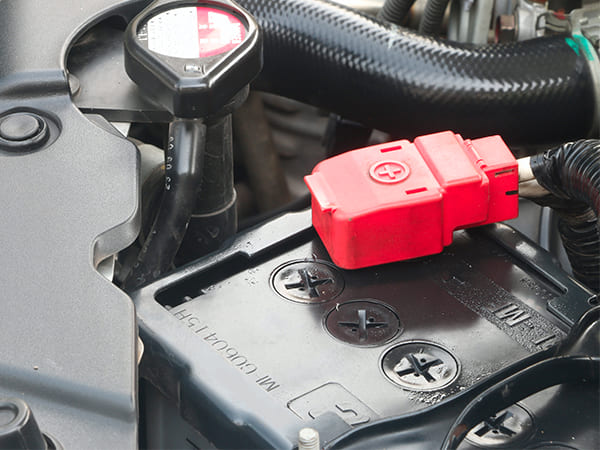
Common Causes of Battery Drain in Acuras
Parasitic Drain
A key reason drivers face battery drain is parasitic (or quiescent) draw—when electrical systems draw power while the engine is off. On modern vehicles, a “normal” draw might be 50‑85 mA. Anything significantly above that is a red flag.
Common culprits include glove‑box lights, trunk lights, aftermarket accessories, or faulty modules that never “sleep.”
Weak or Failing Alternator or Charging System
If your alternator isn’t recharging the battery while driving, your 12‑volt battery can slowly become depleted. According to Kia’s owner’s resource, “defective charging system” is a frequent cause of battery drain.
Under‑use / Short Trips
In Belleview, many drivers use their vehicles for short errands rather than long drives. That means the battery doesn’t get fully recharged, which over time reduces capacity and makes drain effects more pronounced.
Extreme Heat & Humidity
Florida’s climate places stress on battery systems. Excessive heat can accelerate battery degradation, wiring corrosion, and increased electrical resistance—all contributing to faster drain.
Step‑by‑Step Process to Diagnose and Fix Battery Drain in an Acura
Here’s how you can professionally address and fix battery‑drain issues on your Acura in the Belleview area.
Step 1: Confirm the Battery Condition
- Use a digital multimeter to measure resting voltage (should read ~12.6 V when fully charged).
- Inspect battery age and health: Most 12‑volt lead‑acid batteries last 3‑5 years.
- Check terminals and cables for corrosion, loose connections, or damage.
Step 2: Check the Charging System
- With the engine running, measure voltage across the battery: ~13.5‑14.5 V indicates a properly charging alternator.
- If the voltage is low or fluctuates significantly, the alternator or its diodes may be failing.
Step 3: Measure Parasitic Draw
- Turn off all accessories, open and close doors to let computers go to sleep (wait 10–15 minutes).
- Connect an ammeter in series with the negative battery cable. If the draw is above ~85 mA (for newer vehicles), you likely have a drain issue.
- To locate the circuit, remove fuses one by one and observe when the draw drops significantly. That fuse’s circuit is your suspect.
Step 4: Inspect Suspect Circuits and Components
- Inspect any component on the circuit identified: relays that stay stuck closed, modules that never sleep, and aftermarket accessories permanently powered.
- In Belleview, check for corrosion or wiring damage from moisture or salt spray near vent areas.
Step 5: Replace/Repair and Retest
- Replace failed components or correct wiring faults as discovered.
- After repair, retest parasitic draw to ensure the draw is back in the normal range (< 50–85 mA).
- Reconfirm using the multimeter that the battery still charges properly and the starting cranks are strong.
Why Fixing Battery Drain Matters for Your Acura
- Avoid being stranded – One of the most common roadside breakdowns is a drained battery.
- Protect electronics – Persistent low voltage or repeated jump‑starts damage sensors, computers, and alternator systems.
- Save money – Diagnosing the rain early prevents repeated battery replacements and secondary component damage.
- Improved reliability for Belleview drivers – With Florida weather and short trips, your Acura’s battery system has to work harder. Staying ahead of the drain keeps you on the road.
Real‑World Case Study: Battery Drain in a Belleview Acura
A local Belleview driver of a 2015 Acura RDX was experiencing frequent jump‑starts. The battery was only 2 years old. After charging the battery and measuring from the outside, the technician found a parasitic draw of ~250 mA overnight—well above normal. The culprit was an aftermarket alarm module that never entered sleep mode and was draining current continuously.
Once removed and the circuit corrected, the draw dropped to 45 mA, and the battery held charge normally. The driver avoided repeated battery replacements and unexpected failures—proving that battery drain often hides beneath “normal” symptoms.
Expert‑Backed Data on Acura Battery Performance
- According to UTI, “normal” parasitic draw for newer vehicles lies between 50–85 mA; anything above requires investigation.
- AutoZone notes that common parasitic draw causes include stuck relays, short circuits, and modules that never go to sleep—these can drain a battery even when the vehicle isn’t used.
- Less Schwab warns that excessive heat, frequent short trips, loose connections, and parasitic draw are key reasons car batteries die prematurely.
Your Next Steps to Prevent Acura Battery Drain
If you’re dealing with battery drain in your Acura in Belleview, FL, don’t assume it’s “just the battery” again. The best approach is a systematic check: battery health, charging system, parasitic draw. By diagnosing and fixing the real cause, you’ll restore reliability, avoid surprise breakdowns, and protect your vehicle’s electrical system.
Fixing battery drain in your Acura can save you from unexpected breakdowns and costly repairs. If you’re ready for reliable starts and peace of mind, contact Gregg Smith Automotive for expert diagnostics and service today.
FAQs About Acura Battery Drain
Why does my Acura’s battery keep draining overnight in Belleview when nothing is on?
It’s often due to parasitic draw—an electrical component or circuit continuing to consume power while the engine is off. Testing the draw can identify the culprit.
Can Florida heat cause faster battery drain in an Acura?
Yes. High heat accelerates battery degradation, increases internal resistance, and stresses the charging system—making drain more likely.
How many milliamps of draw is considered “too high” for an Acura parked overnight?
For a modern vehicle, more than about 85 mA draw while parked is typically too high and may indicate a parasitic drain.
Will jumping the battery fix a drain issue?
Temporarily, yes, but jumping only restores charge—it does not address the underlying cause of the drain. Diagnosing the system is required for a long‑term fix.
How often should I have my Acura’s battery and electrical system checked in Belleview, FL?
At least annually, and anytime you notice weak starts, repeat jump‑starts, dimmed lights, or battery warning lights. Short trips and the Florida climate make checks more important.