

When you floor the accelerator, the injectors pulse more fuel into the chamber; when you coast, they cut back, preserving smooth performance. When the engine idles unevenly, the car drinks more fuel than usual, or the dashboard flashes a warning, the injectors might be the source of trouble. In this post we’ll look at how Acura fuel injectors operate, point out the most common faults, and walk you through troubleshooting steps that will keep your car running smoothly in Belleview, FL.
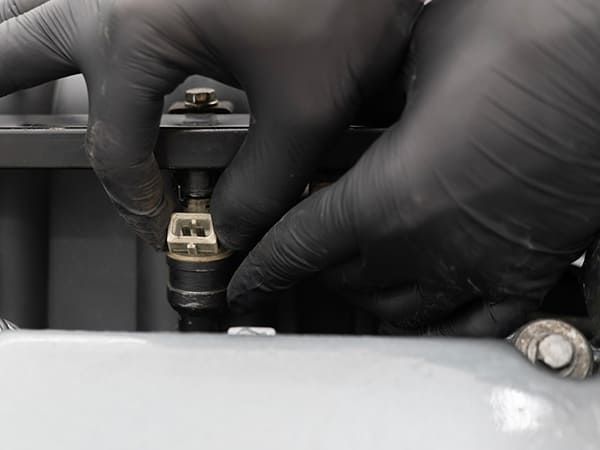
What Are Fuel Injectors and Why Do They Matter?
The job of a fuel injector is to meter just enough fuel and spray it into the combustion chamber. The fuel gets atomized; this allows it to mix with air and burn cleanly. Doing this correctly improves acceleration, stretches each gallon farther, and cuts the amount of harmful gases you emit. Imagine your car hesitates to pick up speed, sips more gasoline, and sometimes fires off a misfire—those are classic signs of a failed injector.
Common Symptoms of Fuel Injector Problems
If you spot any of these signs, your Acura’s fuel injectors may be malfunctioning.
1. Poor Fuel Efficiency
A buildup in the fuel injectors, or a malfunction, disturbs the proper air‑fuel mix, and the engine ends up wasting more fuel for less power. You’ll notice that the car starts gulping fuel faster, and the overall fuel economy falls noticeably as a result.
2. Rough Idling and Engine Misfires
A stuck or worn injector may lead the engine to fire unevenly and give a rough idle. The problem occurs when the engine fails to receive the proper fuel quantity each time it fires. A misfire often shows up after the engine attempts to burn a fuel‑air mix that isn’t right.
3. Check Engine Light
If the OBD‑II system spots a problem with your fuel injectors, the check engine light will come on. A diagnostic scan usually pulls up error codes that single out an injector issue, like a misfire or a blocked injector.
4. Sluggish Acceleration
If your Acura struggles to accelerate or experiences hesitation when you press the gas pedal, a fuel injector issue might be the cause. A malfunctioning injector can cause inconsistent fuel delivery, reducing your car’s power and responsiveness.
5. Fuel Odor
If you catch the smell of gasoline around your car or see fuel dripping in the engine bay, it may point to a faulty fuel injector. Leaking injectors not only waste fuel but can also be hazardous.
Typical Reasons for Fuel Injector Problems
Fuel injectors can become faulty for a variety of reasons. Below are some of the most common causes of fuel injector issues:
- Clogging from Dirt or Carbon Buildup: Dirt, carbon and other residues tend to gather when cheap fuel is used, and this grime narrows the passage for fuel, leading to a drop in engine output.
- Leaking Fuel Injectors: Injector seals or corrosion can lead to leaks, causing poor fuel delivery and potential fuel pooling around the engine.
- Contaminated Fuel: Impurities like water or dirt in fuel can damage injectors, leading to clogging and poor performance.
- Electrical Problems: Fuel injectors rely on electrical signals. Faulty wiring or connections can prevent them from functioning properly.
- Age and Wear: With age and high mileage, fuel injectors can lose effectiveness, eventually requiring replacement despite proper maintenance.
How to Troubleshoot Fuel Injector Problems in Your Acura
Here’s a quick guide to help you troubleshoot fuel injector issues in your Acura:
| Step | Action | Purpose |
| 1. Run a Diagnostic Scan | Connect an OBD‑II scanner, retrieve the injector‑related trouble codes, and note what they say. g., P0201-P0204 or P0301-P0304). | To identify specific injector problems or misfires. |
| 2. Inspect for Leaks | Check injectors and surrounding areas for fuel leaks or fuel odor. | To detect leaking injectors that can cause performance issues. |
| 3. Listen for Irregular Noise | Listen for irregular or absent clicking sounds from the injectors. | To identify clogs or malfunctions in injector operation. |
| 4. Perform a Fuel Pressure Test | Test the fuel pressure to check for low or inconsistent fuel flow. | To determine if the injectors or fuel pump are malfunctioning. |
| 5. Check the Wiring | Inspect the injector wiring for wear, corrosion, or loose connections. | To ensure electrical signals are reaching the injectors properly. |
Following these steps can help identify and resolve any fuel injector issues, ensuring your Acura runs smoothly.
Fixing Fuel Injector Problems in Your Acura
Once you’ve identified the problem with your fuel injectors, it’s time to fix it. Here are the most common solutions:
1. Cleaning the Fuel Injectors
Frequently, a thorough wash restores a fuel injector’s performance. If you’ve noticed sluggish acceleration, a pro cleaning service can help. They employ specialized gear to scrape carbon and dirt from each injector, which often lifts performance and saves gas.
2. Replacing Faulty Injectors
Should the injector be irreparable, the sensible answer is to replace it with a new or remanufactured component. Swap out the bad injectors and your engine will run smoother, sip less fuel, and avoid new damage.
3. Replacing Seals and O-Rings
If your injectors are leaking, swapping out the seals or O‑rings usually does the trick. Eliminating the leak enhances the fuel’s journey to the engine while lowering overall consumption.
4. Repairing or Replacing Electrical Components
Should the fault stem from power issues, you’ll have to mend the compromised cables and, if needed, change the connectors. Let a certified tech troubleshoot the electrical system and get the injector back on track.
Keep Your Acura Running Smoothly with Proper Maintenance
If your Acura’s fuel injectors are acting up, you’ll notice a dip in power, poorer miles per gallon, and a less smooth ride. Detecting a failing fuel injector early lets you avoid pricey fixes and keep your car running smoothly. Routine check ups paired with quick fault scans are essential for squeezing every ounce of power from your Acura.
At Gregg Smith Automotive, we specialize in fuel injector troubleshooting and repairs for Acura vehicles in Belleview, FL. Our expert mechanics use the latest tools and techniques to ensure your fuel system is running smoothly. Contact us today to schedule a fuel injector inspection and keep your Acura performing at its peak!
FAQs: Acura Fuel Injector Troubleshooting
1. How do I know if my Acura’s fuel injectors are clogged?
Common signs include poor acceleration, rough idling, and poor fuel economy. A diagnostic scan can help pinpoint the issue.
2. How long do fuel injectors last in an Acura?
Fuel injectors typically last between 50,000 and 100,000 miles, depending on driving conditions and maintenance.
3. Can I clean my fuel injectors myself?
While there are DIY cleaning kits, it’s best to have a professional clean your fuel injectors to avoid damage and ensure proper performance.
4. How much does it cost to replace fuel injectors in Belleview, FL?
The cost can range from $300 to $1,000 depending on the make, model, and extent of the issue.
5. Can bad fuel cause issues with my Acura’s injectors?
Yes, contaminated or low-quality fuel can cause buildup and clog your injectors, affecting performance. Regular maintenance can help prevent this.