

Dealing with a bad Toyota fuel pump can be a headache! It usually boils down to figuring out why your car isn’t getting enough gas, pinpointing the common culprits, and then replacing or fixing the broken bits. This article covers essential steps in diagnosing and repairing Toyota fuel pumps, including key symptoms, common failures, and preventive maintenance tips to extend the lifespan of the fuel system.
Why Proper Fuel Pump Maintenance Matters
Your Toyota’s engine relies on a functioning fuel pump for performance. This vital component moves fuel from the tank to the engine, guaranteeing a consistent supply for combustion. When your fuel pump starts to act up, your car is basically telling you it’s unhappy. You might notice the engine sputtering, stalling out, or maybe it won’t start at all. Seriously, don’t put off fixing that fuel pump! Getting it replaced or repaired right away keeps your car running like it should and saves you a ton of money on much worse engine problems down the road. Trust me, ignoring it is a recipe for lousy gas mileage and massive repair bills later.
How the Toyota Fuel Pump Works
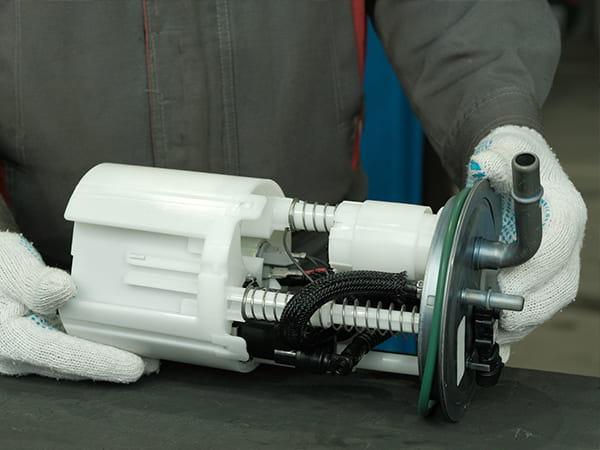
Think of your fuel pump as the engine’s personal delivery service—its job is to get gas from the tank to the engine at exactly the right pressure. In most newer Toyotas, this little worker is electric and lives right inside the gas tank. It pushes the fuel through the lines and into the engine, ready to mix with air and make the car go “vroom!”
Key components of a Toyota fuel pump include:
- The Electric Motor: Powers the pump to transfer fuel.
- The Fuel Strainer: Filters any debris from the fuel before it enters the pump.
- The Fuel Pressure Regulator: Maintains proper fuel pressure for the engine.
Understanding the function of these components helps identify where issues may arise if the fuel pump isn’t working correctly.
Common Causes of Fuel Pump Failure
Fuel pumps can fail for several reasons. Recognizing the signs early on can prevent costly repairs and ensure that your Toyota runs smoothly.
- Clogged Fuel Filter: Over time, dirt and debris can clog the fuel filter, leading to strain on the pump. This can cause the pump to overheat or fail prematurely.
- Old or Contaminated Fuel: If the fuel in the tank is old or contaminated, it can cause the pump to work harder than it should, which can eventually lead to failure.
- Electrical Issues: Since most Toyota fuel pumps are electric, electrical issues such as faulty wiring, blown fuses, or relay malfunctions can prevent the pump from functioning.
- Pump Wear and Tear: Just like any mechanical component, the fuel pump can wear out over time, especially if the vehicle frequently operates on low fuel levels or experiences frequent starting issues.
Symptoms of a Faulty Fuel Pump
Recognizing the symptoms of a failing fuel pump can help you address the issue before it leads to more serious engine damage. Common signs of a failing fuel pump include:
- Engine Stalling or Misfires: If the fuel pump isn’t delivering a steady fuel supply, the engine may stall or misfire, especially at high speeds or when accelerating.
- Loss of Power: If the fuel pump is failing, the engine may not receive enough fuel, resulting in a noticeable loss of power or sluggish acceleration.
- Difficulty Starting the Engine: A faulty fuel pump may cause long cranking times or prevent the engine from starting altogether.
- Sudden Surging or Sputtering: If the fuel pump is inconsistent, you might experience sudden surging or sputtering as the fuel supply to the engine fluctuates.
Preventive Maintenance for Toyota Fuel Pumps
Taking care of your Toyota’s fuel pump involves regular maintenance and addressing issues early before they lead to full pump failure.
- Replace Fuel Filters Regularly: A clogged fuel filter can increase strain on the fuel pump. Replace the filter as part of your regular maintenance schedule, typically every 30,000 to 50,000 miles.
- Keep the Gas Tank Half Full: Running the vehicle with a low fuel level frequently can cause the fuel pump to work harder and overheat, which could lead to early failure.
- Use Clean Fuel: To prevent damage to your fuel pump over time, always use high-quality fuel and avoid using old or contaminated fuel.
- Inspect the Fuel System: Have your fuel system, including the pump, inspected during routine maintenance to identify early signs of wear.
Cost, Risk, and Downtime of Ignoring Fuel Pump Issues
Ignoring fuel pump issues can lead to more than just inconvenience. Here are the key risks of neglecting fuel pump maintenance:
- Cost: Replacing a fuel pump is expensive. In some cases, replacing the fuel pump may also require additional repairs to the fuel tank or electrical components, adding to the overall cost.
- Downtime: A faulty fuel pump can leave you stranded, leading to unexpected downtime and potentially costly tow fees.
- Engine Damage: If a fuel pump fails completely, it can cause severe damage to the engine, requiring even more expensive repairs.
- Safety Risks: A malfunctioning fuel pump can also lead to stalling while driving, which is a significant safety risk, especially on highways or in high-traffic situations.
When to Seek Professional Help
While it is possible to perform some basic checks on your fuel system, repairing or replacing a faulty fuel pump is a job best left to professionals. Gregg Smith Automotive has the experience and tools needed to diagnose and repair Toyota fuel pump issues quickly and efficiently. If you notice any of the symptoms mentioned above, it’s best to schedule an appointment with a trusted professional before the issue worsens.
Conclusion: Proactive Fuel Pump Care
Regular maintenance and early detection of fuel pump issues are key to ensuring the smooth operation of your Toyota. By recognizing symptoms early and performing routine maintenance such as replacing fuel filters and using clean fuel, you can extend the life of your fuel pump and avoid costly repairs down the road. Stay proactive to keep your Toyota running at its best and prevent unexpected breakdowns.
Frequently Asked Questions
How do I know if my Toyota’s fuel pump is failing?
Common signs include engine stalling, difficulty starting, a loss of power, and sputtering. If you notice these symptoms, it’s important to have the fuel system inspected.
Can I drive with a faulty fuel pump?
It’s not recommended to drive with a faulty fuel pump, as it can cause further damage to the engine or leave you stranded on the road.
How long does a Toyota fuel pump typically last?
On average, a Toyota fuel pump can last between 100,000 to 150,000 miles, depending on driving conditions and maintenance.
What causes a fuel pump to fail?
Common causes of fuel pump failure include clogged fuel filters, electrical issues, contaminated fuel, and general wear and tear over time.
Can I replace the fuel pump myself?
While it’s possible for experienced DIYers to replace a fuel pump, it requires specialized tools and expertise. It’s best to consult a professional to ensure the repair is done correctly.