

A faulty Toyota power steering system makes turning the wheel difficult and puts your safety at risk. We explain how power steering operates, identify frequent mechanical failures, and provide the most effective ways to fix them. You will find advice on basic upkeep along with signs that show you need an expert.
Why Power Steering Is Essential for Your Toyota
Power steering is vital to your vehicle’s overall handling and ease of driving. This system uses either hydraulic or electric mechanisms to reduce the effort needed to steer the vehicle, especially at low speeds and while parking. A malfunction in this system can result in poor handling, making driving unsafe and difficult.
Florida heat ruins steering pumps. If you live in Belleview, you need to flush your power steering lines before the wheel gets stiff. Regular maintenance stops big bills and keeps you safe on the road.
How Toyota Power Steering Systems Work
Toyota vehicles can have two types of power steering systems:
Hydraulic Power Steering (HPS)
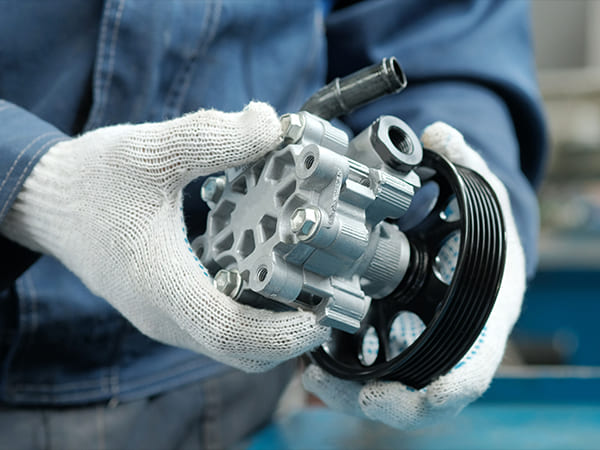
Hydraulic systems use a pump driven by the engine to circulate power steering fluid, which assists in turning the wheels. Watch for leaks. A dry system or a bad pump turns every corner into a workout.
Electric Power Steering (EPS)
EPS systems use an electric motor to assist steering, eliminating the need for hydraulic fluid. This system is more energy-efficient and requires less maintenance. However, motor failure or electrical issues can affect steering responsiveness.
Both systems require regular checks and maintenance to prevent steering issues.
Common Power Steering Problems and Failures
Several factors can cause your Toyota’s power steering system to fail. Identifying the problem early can prevent expensive repairs. Common issues include:
- Low or Contaminated Fluid: Causes whining noises, stiff steering, or leaks in hydraulic systems. Requires checking/replacing fluid.
- Worn Power Steering Pump: Reduces steering assistance; complete failure makes steering inoperable.
- Faulty Steering Rack: Leads to difficulty turning or poor steering responsiveness.
- Electric Power Steering Motor Failure: Results in loss of power steering assistance, making steering difficult and unsafe.
Symptoms of Power Steering Issues
Recognizing the early symptoms of power steering failure can prevent larger problems down the line. Common signs to look out for include:
1. Hard Steering
Difficulty turning the steering wheel, especially at low speeds, may signal a failing power steering system. This is a common symptom of both hydraulic and electric power steering issues.
2. Whining Noises
A whining or groaning sound when turning the steering wheel is a sign of low fluid or a malfunctioning pump. This sound may grow louder as the problem worsens.
3. Fluid Leaks
If you notice fluid beneath your vehicle or around the steering components, it’s a sign of a leak. Leaks can come from hoses, the pump, or the steering rack, and should be addressed immediately.
4. Vibration or Pulling
If your steering wheel vibrates or pulls to one side, it could indicate problems with the steering system or alignment. This symptom should not be ignored, as it can affect handling and safety.
Preventing Power Steering Failures in Your Toyota
Regular power steering maintenance prevents costly repairs and ensures proper function.
Maintenance Tips:
- Check Fluid Levels: Maintain proper fluid levels in hydraulic systems; low fluid harms the pump, and contaminated fluid clogs the system.
- Change Fluid: Flush and replace power steering fluid every 30,000–60,000 miles to prevent contamination and maintain performance.
- Inspect Hoses and Belts: Check for wear on hoses (to prevent leaks) and belts (to ensure pump operation).
- Watch for Leaks: Address any fluid leaks immediately to prevent system damage.
In Belleview, FL, regular maintenance is vital due to heat and humidity accelerating wear.
Cost and Risk of Ignoring Power Steering Problems
Neglecting power steering issues can lead to more significant and costly repairs down the road. For example, failing to address a low fluid situation could result in a burned-out pump, which can cost hundreds of dollars to replace. Likewise, ignoring leaks or fluid contamination can damage the steering rack, making repairs even more expensive.
Ignoring power steering failure can also lead to safety concerns. Without power steering, it becomes harder to maneuver the vehicle, particularly at low speeds or when parking. This not only increases the risk of accidents but can also lead to more costly repairs and extended downtime.
When to Seek Professional Help for Power Steering Issues
While minor issues like low fluid can sometimes be addressed on your own, more serious power steering problems should be evaluated by a professional mechanic. Stiff handling and strange noises are your car’s way of asking for a repair. Address these leaks quickly. Waiting too long often leads to expensive steering rack replacements that you could have easily avoided.
Our team at Gregg Smith Automotive in Belleview fixes Toyota power steering problems fast. We find the leak or pump failure and get your car turning smoothly again. We check every bolt and fix what is broken so you can drive away with total peace of mind.
Maintain Your Toyota’s Power Steering System
Smooth driving depends on a healthy steering rack. Regular maintenance stops leaks and keeps your car responsive on the road. Look under the hood often and listen for weird noises. Fixing a minor rattle now stops a total breakdown later while keeping your car gas mileage steady. Bring your Toyota to a mechanic if the steering feels heavy or stiff. Taking quick action keeps your vehicle reliable and protects everyone on the road.
Contact Gregg Smith Automotive for Professional Power Steering Services
Stop driving with a stiff Toyota steering wheel. Address these mechanical faults now to stay safe on the road. Bring your car to Gregg Smith Automotive in Belleview for an expert checkup and reliable fix. We inspect your ride for safety and fix any steering issues so you can turn with ease.
FAQs
What causes hard steering in my Toyota?
Hard steering is typically caused by low or contaminated power steering fluid, a failing power steering pump, or a worn steering rack. It’s important to address these issues promptly to avoid further damage.
How often should I replace power steering fluid?
Power steering fluid should be replaced every 30,000 to 60,000 miles, depending on your vehicle’s age and the type of power steering system. Always consult your owner’s manual for specific recommendations.
Can I drive my Toyota with a faulty power steering pump?
Driving with a faulty power steering pump can make steering more difficult and unsafe, especially at low speeds. It’s best to have the issue fixed as soon as possible.
How can I tell if my power steering fluid is leaking?
If you notice fluid on the ground underneath your vehicle or around the steering components, it’s likely that the power steering system is leaking. Have it inspected immediately to avoid further damage.
Is it safe to drive with no power steering?
It is not recommended to drive a vehicle with no power steering assistance, as it will make steering much harder and can compromise your ability to safely control the vehicle.