

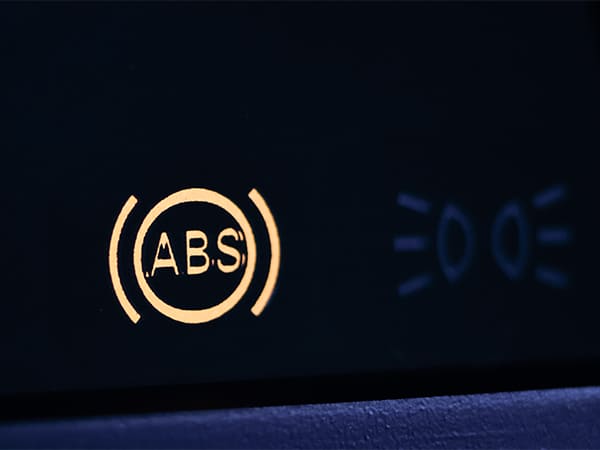
Imagine you’re driving your Honda in Belleview, FL, and suddenly the ABS light flickers on your dashboard. At first, everything feels normal, and your brakes seem fine, but you know that the Anti-lock Braking System (ABS) is crucial for your safety—especially during emergency stops or in wet conditions. So, what should you do next? Is this something you can fix yourself, or do you need to visit a mechanic?
In this article, we’ll explain what the ABS light means for your Honda, why it could come on, and how to troubleshoot the issue. We’ll walk you through common causes, easy DIY fixes, and when it’s time to call in the experts. By the end, you’ll have a clear understanding of how to handle the ABS warning light, ensure your brakes are safe, and avoid costly repairs down the road.
Understanding the ABS Light and Its Importance for Your Safety
The ABS light on your Honda’s dashboard indicates an issue with the Anti-lock Braking System (ABS). ABS helps prevent wheel lock-up during hard braking, especially in emergencies or slippery conditions. When the ABS light turns on, it signals that the system isn’t functioning properly, which could compromise braking effectiveness and your ability to stop quickly when needed.
Ignoring this warning could affect your vehicle’s safety and handling, making it harder to stop quickly in high-risk situations. Here’s a look at some common causes of the ABS light and how to troubleshoot them.
Why Your Honda’s ABS Light Is On: Common Causes
1. Faulty ABS Sensor
What Happens: The ABS relies on sensors to monitor wheel speed and relay this data to the ABS control module. A malfunctioning sensor can trigger the ABS light.
Signs:
- The ABS light stays on.
- Pulling or vibration while braking.
2. Blown ABS Fuse
What Happens: A blown fuse can disrupt the power supply to the ABS system.
Signs:
- The ABS light comes on intermittently.
- No other braking issues.
3. Low Brake Fluid
What Happens: Low brake fluid can prevent the ABS system from functioning properly, triggering the warning light.
Signs:
- Soft or spongy brake pedal.
- ABS light illuminated.
4. Damaged ABS Module
What Happens: The ABS control module processes data from the sensors. If it fails, it triggers the ABS light and affects braking.
Signs:
- ABS light stays on after attempting to reset.
- Increased braking distance.
5. Faulty Wheel Speed Sensor
What Happens: Malfunctioning or dirty wheel speed sensors can lead to the ABS light turning on.
Signs:
- ABS light comes on during hard braking.
- Decreased ABS performance during high-speed or emergency braking.
Troubleshooting the ABS Light in Your Honda
| Step | Action | What to Look For | What to Do |
| Step 1 | Check the Brake Fluid | Low brake fluid levels | If low, top it off with the recommended fluid. If fluid keeps dropping, there may be a leak that needs professional attention. |
| Step 2 | Inspect the ABS Fuse | A blown fuse can interrupt the functionality of the ABS system. | Check the fuse; replace it if blown. If it blows again, a deeper electrical issue might exist. |
| Step 3 | Look for Damaged or Dirty Sensors | Dirt, debris, or damage on ABS sensors | Inspect the wheel speed sensors. Clean or replace any damaged sensors to resolve the issue. |
| Step 4 | Use an OBD-II Scanner | Diagnostic trouble codes (DTCs) | If the ABS light remains on, scan the system with an OBD-II scanner to pinpoint specific issues like faulty sensors or modules. |
| Step 5 | Consult a Professional | Persistent ABS light or unresolved issue | If troubleshooting doesn’t resolve the issue, consult a professional mechanic for further diagnosis and repair. |
By following these troubleshooting steps, you can determine the cause of the ABS light in your Honda and decide whether to take action yourself or seek professional help.
Why It’s Important to Address the ABS Light Promptly
- Improved Safety
ABS ensures you can stop quickly without losing control, especially in emergencies. Ignoring the ABS light can compromise this safety feature.
- Prevent Costly Repairs
Small ABS issues, like a faulty sensor, can turn into larger, costlier problems. Addressing the ABS light early helps avoid expensive repairs.
- Pass Safety Inspections
In Belleview, FL, vehicles must pass safety inspections before registration. A malfunctioning ABS system can cause your vehicle to fail, delaying registration. Timely repairs help your car pass inspections.
- Maintain Vehicle Performance
Regular attention to the ABS system ensures optimal braking performance, reduces stopping distances, and improves overall vehicle control.
ABS Light Troubleshooting: A Belleview, FL Case Study
A 2016 Honda Civic (~85,000 miles) came in with the ABS light on, inconsistent braking, and rough stopping performance. After running a diagnostic scan, we found a faulty ABS wheel speed sensor, affecting the system’s ability to process data correctly.
What We Did:
- Replaced the faulty wheel speed sensor to restore proper data transmission.
- Calibrated the ABS system to ensure proper function.
- Performed a thorough inspection of the entire ABS system.
The Outcome:
After the repair, the ABS light turned off, and the customer experienced smoother braking. The vehicle passed its next inspection without any issues, ensuring continued safety and performance.
Powering Through with Data
ABS Light and Safety:
According to the National Highway Traffic Safety Administration (NHTSA), a malfunctioning ABS system can increase the likelihood of accidents, particularly on wet or icy roads. ABS reduces the risk of skidding and helps maintain vehicle control, making it a crucial safety feature.
ABS System Failures:
Data from Automotive Service Excellence (ASE) suggests that ABS-related failures are common, with sensor malfunctions being one of the leading causes. If your ABS light comes on, it’s important to address the issue immediately to avoid further damage to the braking system.
Address ABS Light Issues for Safety and Performance
If your Honda’s ABS light is on, it’s essential to troubleshoot the issue promptly to maintain your vehicle’s safety and performance. While some ABS issues can be fixed with simple solutions like topping off brake fluid or replacing a fuse, others may require professional attention. Regularly addressing ABS concerns can prevent costly repairs and ensure your vehicle passes safety inspections.
If you’re experiencing ABS light issues in Belleview, FL, Gregg Smith Automotive is here to help. Our experienced technicians will quickly diagnose the problem and restore your ABS system to full functionality.
Book your ABS system inspection today! We’ll help you get your vehicle’s braking system back to optimal performance, ensuring your safety on the road.
Explore our blog for more maintenance tips and keep your Honda running smoothly!
FAQs About ABS Light Troubleshooting
1. Can I still drive my Honda if the ABS light is on?
While you can still drive your vehicle, it’s not advisable to ignore the ABS light. The ABS system is crucial for safe braking, especially in emergency situations.
2. How much does it cost to fix the ABS system?
The cost can vary depending on the issue. Basic repairs like replacing a fuse or sensor may cost $100-$300, while more complex repairs like replacing the ABS module can range from $1,000 to $2,500.
3. How do I reset the ABS light?
You can reset the ABS light using an OBD-II scanner, but it’s important to address the underlying issue first. Simply resetting the light without repairing the problem won’t fix the malfunction.
4. Why is my ABS light on but my brakes still work?
The ABS light may come on while the regular braking system still functions. However, the ABS system may not engage during emergency braking, which can reduce your control in critical situations.
5. Is there a way to test the ABS system at home?
While you can check the brake fluid level and inspect the sensors, it’s best to use an OBD-II scanner for a proper diagnostic test. A professional mechanic will have the tools to accurately test the system.