

If you own an Acura and call Belleview home, understanding cylinder head problems is crucial to protecting your engine and avoiding major repair bills. In this post we’ll walk through what a cylinder head does, why problems arise—especially under Florida driving conditions—how to spot the warning signs, and what steps to take if you suspect trouble. By the end you’ll feel confident recognising potential issues early, before they become catastrophic.
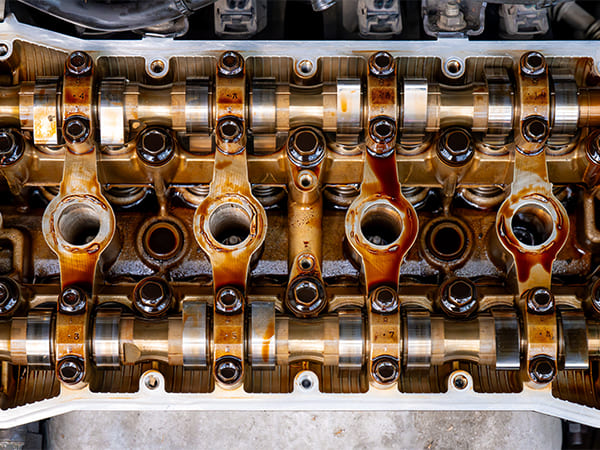
What Is The Cylinder Head And Why Does It Matter?
In your Acura’s engine, the cylinder head sits atop the engine block and plays a vital role. It houses the combustion chambers, intake and exhaust ports, valves, and spark plugs. When working correctly it helps ensure efficient combustion, good power delivery, reliable sealing of coolant and oil passages, and smooth engine operation. If the cylinder head becomes damaged (warped, cracked, or improperly sealed) you may experience loss of compression, coolant leakage, oil mixing, misfires, or engine overheating.
For Belleview‑area drivers, maintaining this component is especially important because local climate (heat, humidity) and driving patterns (stop‑and‑go traffic, errands across the region) place extra demands on cooling systems and engine seals.
Why Cylinder Head Problems Happen On Acuras
Several factors contribute to cylinder head issues in Acuras:
- Overheating: If the engine runs too hot—even intermittently—metal distortion can occur. A warping head reduces the ability to properly seal and may crack.
- Cooling system failure or neglect: A gasket or head that fails because coolant circulation is compromised. When coolant doesn’t carry away heat, the cylinder head is exposed to higher thermal stress.
- Age and mileage: Many Acura in the Belleview region may have higher miles; over time, thermal fatigue plus repeated warm‑up/cool‑down cycles can cause small cracks in the head or gasket interface.
- Material/engine‑design aspects: In some models, the head gasket region or the alloy used may be more sensitive to thermal issues or less tolerant of repeated overheating.
- Failure to repair minor problems: What starts as a coolant leak or a misfire can lead to head or gasket damage if ignored; small signs often precede major failure.
Common signs of Acura cylinder head issues (and what to watch for)
Here are the most frequent warning signs, with explanation and how they play out in real‑life for Belleview drivers:
| Sign | What It Means | How It Appears for Belleview Drivers |
| 1. Engine Overheats or Temp Gauge Climbs | The cylinder head or gasket may no longer seal properly, allowing heat to build and coolant to leak internally. | Overheating on hot Florida days, in traffic, or when using A/C; temperature needle creeping higher than normal. |
| 2. White Exhaust Smoke or Coolant Loss | Coolant may be entering the combustion chamber due to a crack or failed gasket. | White, steam-like exhaust; coolant reservoir drops with no visible leak—common in humid Belleview mornings. |
| 3. Oil in Coolant or Coolant in Oil | Oil and coolant mix when the head or gasket fails, indicating advanced internal leakage. | Milky oil on dipstick, foamy residue in coolant tank; may show up gradually in high‑mileage Acuras. |
| 4. Engine Misfires, Rough Idle, Poor Performance | Loss of compression or coolant intrusion disrupts combustion in one or more cylinders. | Rough idle during cold starts, misfire codes, reduced power on local highway ramps, increased fuel use. |
| 5. Visible Cracks or Warpage (During Inspection) | Physical damage to the cylinder head surface or coolant passages confirms failure. | Technician notes cracks or warpage while measuring head flatness—often after repeated overheating. |
Real‑World Case Study: Belleview Local Acura Cylinder Head Repair
Vehicle & Context:
A 2012 Acura TSX with approximately 120,000 miles, owned by a Belleview commuter who drives daily between Ocala and Summerfield.
Issue Reported:
The driver noticed the coolant tank slowly losing fluid, overheated engine warnings on unusually hot days, and occasional white smoke on start‑up. The car also felt a bit rough at idle in the morning.
Diagnostic Steps & Findings:
- Technician scanned for codes: found misfire in cylinder 2 and low coolant flow warning.
- Removed the intake manifold and coolant passages: found small crack in the cylinder head at the coolant port near cylinder #2, and the head surface was slightly warped.
- Measurement confirmed warpage beyond service limit.
- Replacement plan: Removed head, fitted new head gasket, surface‑machined head (flat restoration), re‑installed new head, timed valves and inspected water pump and coolant system.
- After repair: Coolant loss stopped, engine temperature remained steady under Florida summer loads, idle smoothed out.
Take‑away for Belleview Drivers:
A relatively moderate repair (versus full engine rebuild) prevented what could have turned into a total engine failure. Because the symptoms were caught early and the vehicle driven in local conditions (heat/humidity), the owner avoided extended downtime. This underlines the value of recognising early signs, especially in Florida’s climate.
Supporting Data & Local Tips for Belleview Acura Owners
- According to a technical guide on Acura cylinder heads: “If your Acura engine frequently overheats, a warped or cracked cylinder head might be the culprit.”
- On forums for Acuras: members report head gasket leaks or cylinder head cracks causing coolant loss or rough running.
Belleview‑specific maintenance tips:
🔧 Monitor coolant system regularly: Given Belleview’s warm climate, make sure your coolant is fresh, the system is free of air pockets, and there are no slow leaks.
🔧 Watch for white smoke on start‑up: Especially after sitting overnight in humid conditions, a puff of white smoke may signal coolant entering the combustion chamber.
🔧 Don’t ignore overheating episodes: If your temperature gauge spikes, even briefly, it’s worth having a professional check the head and gasket rather than assume “just a hot day.”
🔧 Schedule inspection at higher mileage: If your Acura has passed 100k miles (common for local drivers), and you drive through stop‑and‑go or rural highway traffic, a cylinder head inspection is a smart preventive step.
🔧 Use a trusted local shop with engine expertise: The cylinder head repair involves precise machining, torque specs, valve adjustment and coolant system re‑purging — you want technicians familiar with Acura engines.
Summary: Smart Action for Acura Owners in Belleview
Cylinder head issues in an Acura may not always scream “imminent engine failure,” but they often start quietly—coolant loss, slightly rough idle, rising engine temps. By recognising the signs early and acting decisively, you protect your engine’s longevity, preserve resale value, and avoid catastrophic breakdowns. For Belleview drivers dealing with higher ambient heat and humid conditions, being proactive gives you a real advantage.
Take the next step! By staying alert to key warning signs and acting proactively, you protect your Acura’s engine and avoid expensive surprises. If you drive an Acura in Belleview and suspect cylinder head trouble—or simply want a preventive inspection—reach out to Gregg Smith Automotive today. We’ll help you keep your engine running strong and your drives worry‑free. Explore our related articles now to learn more about cooling‑system maintenance, head‑gasket care, and performance tips.
Frequently Asked Questions (FAQs)
How do I know if my Acura cylinder head is cracked or if it’s just the head gasket?
- A cracked head usually causes white smoke, coolant loss, and misfires. A head gasket leak may only show oil-coolant mixing or cylinder-specific issues.
Can I drive with a blown cylinder head gasket in Belleview, FL?
- Driving with a blown head gasket is risky. It can cause overheating or coolant loss, especially in Florida heat. Get it checked ASAP.
Is cylinder head warping common in Acuras in Florida?
- Yes. High heat and humidity in Florida increase the risk of cylinder head warping in Acuras, especially with frequent short trips or traffic.
What does it cost to repair an Acura cylinder head in Belleview, FL?
- Repairs can range from a few hundred for gasket and machining to several thousand for full head replacement. Always get a detailed quote.
Which Acura models are known for cylinder head problems?
- Older Acuras like the 2005 MDX, early TL, and TSX are more prone to cylinder head or gasket failures—especially over 100K miles.