

Being an Acura driver in the Belleview, FL area means you count on crisp, accurate steering, not any stiffness, leaking parts, or dangerous handling. But over time, wear and tear — often accelerated by Florida’s weather and road conditions — can lead to serious steering rack problems. In this post, you’ll learn what a steering rack does, common issues Acura owners face, how to diagnose them early, and what to do about it before it becomes a costly safety or repair problem.
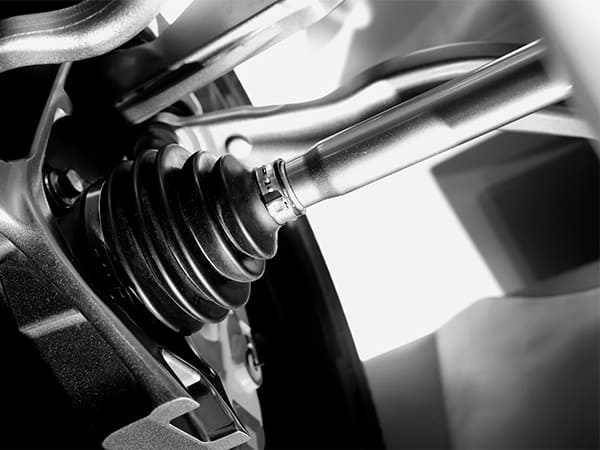
Inside the Steering Rack: How It Works and Why It Deserves Attention
At the heart of modern steering systems is the rack-and-pinion setup. The “rack” is a long metal bar, and the “pinion” is a gear tied to your steering wheel. When you turn the wheel, the pinion rotates and moves the rack side-to-side, which in turn angles the front wheels. A well-functioning rack-and-pinion system ensures that even small steering inputs translate into smooth, accurate wheel movement.
If the rack that powers most of your Acura’s steering gives out, the car’s handling changes instantly. You’ll go from a precise, light feel to a steering that feels stiff, vague, or wildly inconsistent.
Why Acura Steering Racks Can Have Problems
➤ Normal Wear & Tear
Gears, seals, and bushings degrade over time, especially on high-mileage Acuras — leading to leaks and imprecise steering.
➤ Contaminated or Old Power Steering Fluid
Contaminated fluid damages seals and internal parts, increasing the risk of failure if not changed regularly.
➤ Rough Roads, Potholes, Unexpected Impacts
Belleview’s uneven roads and sudden impacts can misalign the system or stress the rack, accelerating wear or causing direct damage.
➤ Harsh Climate: Heat and Humidity
Hot, humid conditions speed up rubber and seal breakdown, making steering racks more prone to leaks and early failure.
Common Steering Rack Problems in Acuras — What to Watch For
When a steering rack starts failing, how does it feel? Here are the most common symptoms to watch out for:
- Difficulty or stiffness when turning the wheel, especially at low speeds or while parking. Your steering may feel heavier than usual
- A power steering fluid leak often shows up as a red or pink stain gathering beneath the front wheels, or as a slow decrease in the fluid gauge.
- Unusual noises while turning: grinding, whining, clunking, or creaking. These can indicate worn gears or lack of lubrication inside the rack.
- Loose or unresponsive steering, where the steering wheel feels sloppy, or there’s “play” — you turn the wheel, but the response is delayed.
- The steering wheel does not return smoothly to center after a turn, or the vehicle tends to drift or pull to one side even on straight roads.
- Uneven tire wear — because a faulty rack often leads to misalignment or irregular suspension geometry.
Ignoring these signs can lead not only to uncomfortable driving — but safety hazards. A failing steering rack can compromise your control over the vehicle, especially at high speeds or during emergency maneuvers.
What Happens If You Don’t Fix Steering Rack Problems
Leaving a faulty steering rack untreated can trigger a cascade of problems:
- Accelerated wear on suspension components (tie rods, ball joints, bushings) because the steering system works harder.
- Permanent alignment issues, leading to uneven tire wear and reduced tire life.
- Reduced fuel efficiency and degraded handling — misaligned tires cause increased rolling resistance.
- Potential safety risk: unpredictable steering behavior, especially when maneuvering around obstacles, braking, or making sharp turns.
In some cases, what starts as a leak or stiffness can evolve into a near-complete loss of steering control. One forum anecdote notes that internal leakage in the rack can allow it to appear “working,” but with poor steering response or sudden jerks.
What You Should Do — Inspection and Maintenance Steps
1. Monitor Fluid Levels Regularly
Check your power steering fluid — if it drops noticeably or becomes discolored — that’s a red flag. Low fluid often mirrors internal leakage in the rack.
2. Notice Changes in Steering Feel or Sounds
If your Acura starts to feel stiff when turning, or you hear grinding/clunking noises, don’t ignore it. These symptoms often precede major rack failure.
3. Inspect Underneath the Car for Leaks
If you spot fluid puddling under the front wheels or along the undercarriage, have it checked immediately. Even small leaks can worsen fast.
4. Check Alignment After Road Impacts
After hitting a pothole or curb — common in Florida — it’s wise to get wheel alignment checked. Misalignment puts extra stress on the steering rack.
5. Flush or Replace Power Steering Fluid Periodically
Using clean, manufacturer‑recommended fluid helps preserve seals and internal components. Changing fluid per schedule reduces risk of contamination‑related wear.
6. Address Issues Early — Don’t Wait
Replacing or rebuilding a rack before failure can prevent damage to related parts (tie rods, suspension arms) and avoid a full steering collapse. Early intervention is both safer and more cost‑effective.
Real‑World Case Study: Steering Rack Issue in a Central Florida Acura
A 2014 Acura TLX owner near Belleview noticed minor steering stiffness after hitting rough roads. Months later, fluid leaks appeared. A local shop found worn seals causing a slow power steering fluid leak.
The owner replaced the rack and realigned the wheels before more damage occurred. The fix restored smooth steering and prevented further issues — proving how early action can save both money and safety.
How Widespread Are Steering Rack/Rack & Pinion Failures?
While public data rarely gives exact numbers for Acuras, many independent repair shops and owners point to rack leaks and stiff steering as the most common issues, especially on high‑mileage cars or those that spend a lot of time on rough roads.
Data gathered by seasoned mechanics indicates that old or contaminated fluid, continual jolts from uneven surfaces like potholes, and the failure to perform routine alignment checks sit near the top of the list for steering system breakdowns; therefore, motorists in Central Florida ought to be especially cautious.
Keep Your Acura Steering Tight, Safe, and Reliable
Steering rack problems usually begin with a subtle stiffness or a tiny leak, yet they can soon jeopardize your ability to steer if left unchecked. Belleview’s heat, sticky air and jagged streets force your Acura’s steering to work overtime, risking extra wear. When you keep an eye on fluid and examine the site after a hit, you’ll spot trouble right away. Take the time to look after your steering now, and you’ll notice fewer jitters, better control, and longer life.
Your Acura is built for precision — but even the best engineering can be challenged by Florida’s roads and weather. Steering rack issues often begin quietly, but with real consequences if ignored. Stay alert, run routine inspections, and respond quickly to any warning signs, and your car will remain safe, handle smoothly, and stay ready for the road for years.
If you want to dive deeper into related topics — like suspension care, wheel alignment, or tire maintenance — check out our other articles.
Trust your ride and stay safe on the road.
Ready for your next tune‑up or inspection? Contact Gregg Smith Automotive today to ensure your Acura’s steering system stays in top shape.
🛠️ Frequently Asked Questions (FAQs)
How can I tell if my Acura’s steering rack is going bad?
Look for stiff or loose steering, unusual noises when turning, fluid leaks, or uneven tire wear. These are common signs of a failing steering rack.
Is it safe to drive with a leaking power steering rack in Belleview?
It’s not recommended. A leak can reduce steering control and lead to total system failure. Driving with a bad rack puts safety at risk.
What causes steering rack problems in Florida Acuras?
Heat, humidity, dirty fluid, and rough roads can damage seals and stress the system. Belleview roads and climate make these issues more likely.
How much does it cost to replace a steering rack on an Acura near Belleview?
On average, rack replacement can cost between $900–$1,500, depending on the model and labor. Early repairs may cost less.
When should I check my Acura’s steering system in Florida?
Check every 6–12 months, especially after hitting potholes or if steering feels off. High-mileage Acuras need more frequent checks in Belleview’s climate.