

If you drive an Acura around Belleview, FL, you know how unpredictable local roads and weather can be. From summer heat and frequent rain to bumpy roads and unexpected potholes, your tires take quite a beating. Think of tire rotation as a quick habit that pays off big: longer‑lasting tires, fewer slips, and a smoother, safer ride. In this guide, you’ll learn exactly what tire rotation is, why it matters, when to do it, and how to stay on top of it for your Acura driving around Central Florida.
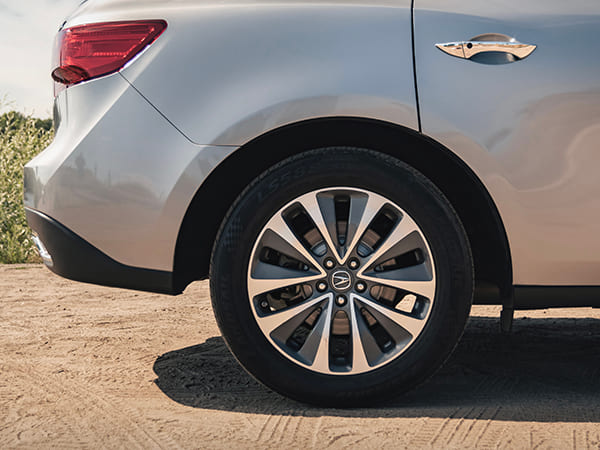
Tire Rotation Explained: Function and Importance
Tire rotation means you regularly move each wheel to a different spot on the car, such as taking the front tires to the rear, swapping left and right sides, or using a crisscross layout, according to your drivetrain and tire type.
As you drive, certain spots on the tire will wear more quickly than the rest. If your vehicle is front‑wheel drive (FWD), rear‑wheel drive (RWD) or all‑wheel drive (AWD), the tires on the driven axle take on more weight, see higher torque, and do more of the braking work. Switching tire positions spreads the wear, keeping each one aging at the same rate.
In a place like Belleview, FL — with high heat, humidity, frequent rain, and varied road surfaces — rotating your tires becomes even more critical. It ensures even tread wear, better traction in wet conditions, smoother handling, and helps prevent premature tire replacement.
Recommended Tire Rotation Schedule for Acuras
Many experts recommend rotating tires every 5,000 to 7,500 miles for typical FWD or RWD vehicles.
If you drive an AWD Acura, the ideal interval can be shorter: sometimes as often as every 3,000 to 5,000 miles.
These ranges give a rough idea, but you should always look at your Acura’s owner’s manual for the maker’s advice, since driving style, tire model, and local weather can change how quickly tires wear.
If you’re a Belleview resident who regularly encounters potholes, beach sand, or soggy streets, set a goal to switch your tires after 5,000 miles or six months—pick the sooner of the two.
What You Gain from Routine Tire Rotations in Florida
Here’s what you gain by rotating tires on schedule for your Acura:
- Longer tire lifespan & smoother wear:
- Rotations spread out wear evenly, avoiding premature replacement.
- Rotations spread out wear evenly, avoiding premature replacement.
- Better handling, traction & safety:
- Even tires provide more predictable handling — especially important in wet or slippery Florida roads — reducing risk of hydroplaning or loss of control.
- Even tires provide more predictable handling — especially important in wet or slippery Florida roads — reducing risk of hydroplaning or loss of control.
- Improved fuel efficiency:
- Balanced, evenly worn tires reduce rolling resistance, which can improve gas mileage and make your ride smoother.
- Balanced, evenly worn tires reduce rolling resistance, which can improve gas mileage and make your ride smoother.
- Reduced wear on suspension and drivetrain:
- Uneven tires can stress suspension components, brakes, and drivetrain. Rotating tires helps distribute load evenly, protecting these parts.
- Uneven tires can stress suspension components, brakes, and drivetrain. Rotating tires helps distribute load evenly, protecting these parts.
- Cost savings over time:
- Preventing uneven wear and avoiding early tire replacement or suspension work saves money.
For Belleview drivers dealing with Florida heat, humidity, occasional rain — and sometimes sandy or damaged roads — these benefits become especially valuable.
How to Rotate Tires on Your Acura — Patterns & Best Practices
When rotating tires, the pattern depends on your vehicle’s drivetrain and tire type (directional tires, staggered setups, etc.).
- FWD or RWD vehicles (non-AWD): Move rear tires to the front and swap sides (e.g., left rear ➝ right front, right rear ➝ left front). Move the front tires to the rear on the same side.
- AWD vehicles: Use a “crisscross” or “X-pattern” rotation — front tires to opposite rear positions, rear tires to opposite front positions — ensuring wear is equal across all wheels.
Pro tips for best results:
- Always check tire pressure and adjust to manufacturer spec after rotation.
- Inspect tread depth, sidewall condition, and look for uneven wear or distortions.
- If tires are directional or staggered (different front/rear sizes), rotation may be limited or require alternate patterns — consult a professional.
- Consider combining rotation with wheel balance and alignment — especially after hitting potholes or driving on rough Florida roads.
Real‑World Example: Tire Rotation for a Belleview Acura Owner
Meet “Carlos,” an owner of a 2018 Acura RDX living just outside Belleview. He drives daily to get groceries, run errands, and sometimes heads to The Villages for errands or visits. Over time, he noticed that braking felt slightly less smooth, and on rainy days the handling felt a bit “soft.”
At one of his routine oil changes (about 6,000 miles), he had the tires rotated and balanced. The technician pointed out slightly uneven tread wear on the front tires — a sign they were doing more work (braking, steering). After rotation, pressure adjustment, and balancing:
- Carlos felt more stable handling in wet conditions
- Tire wear evened out — his front tires no longer wore faster than rear
- He avoided replacing the front tires much sooner than necessary, saving nearly $300 in potential tire costs
Because he lives in warm, humid Florida and drives on mixed road surfaces (some new, some older county roads), keeping a regular rotation schedule helped maximize safety, tire life, and riding comfort.
What Happens If You Skip Tire Rotations (Especially in Florida)
Skipping rotations or delaying them too long — especially under Florida’s driving conditions — can lead to:
- Premature tire wear (front tires wearing out much sooner than rear) — increasing replacement costs.
- Uneven tread wear leading to poor traction on wet or rainy roads — raising the risk of hydroplaning or unstable handling.
- Uneven load on suspension components and drivetrain, which can cause excessive wear or even damage over time.
- Decreased fuel efficiency due to uneven rolling resistance.
- Possible voided warranty on tires, if required rotation intervals are part of the warranty terms.
In short: skipping tire rotations is a false economy — especially for Florida drivers facing heat, humidity, mixed roads, and frequent rain.
Final Thoughts — Keep Your Acura Rolling Smoothly on Belleview Roads
Tire rotation might seem like a small maintenance task, but for Acura owners in Belleview, FL, it’s one of the smartest — and most cost‑effective — ways to protect your tires, maintain handling, and stay safe on unpredictable roads. Even wear, better traction, improved fuel efficiency, and longer-lasting tires are all within reach when you rotate on schedule.
If you’d like more guidance — including when to align, balance, or check suspension components — check out our other articles.
Ready for your next tire rotation or inspection? Contact Gregg Smith Automotive today to keep your Acura performing at its best.
FAQ: Your Acura Tire Rotation Questions Answered
How often should I rotate tires on my Acura if I live in Belleview, FL?
Aim for every 5,000–7,500 miles, or roughly every 6 months — sooner if you drive on rough or sandy roads.
Does my Acura type (FWD, AWD) affect the tire rotation schedule?
Yes. FWD or RWD Acuras typically follow the 5,000–7,500 mile guideline. AWD Acuras may need rotation more often — sometimes every 3,000–5,000 miles.
Can tire rotation improve traction during Florida’s rainy season?
Absolutely. Rotated tires wear evenly, maintain better tread depth, and provide more reliable grip on wet roads — reducing hydroplaning risk.
What happens if I rotate irregularly or skip rotations for a long time?
Tires can wear unevenly, reduce lifespan, cause unstable handling, lower fuel efficiency, and stress suspension components — even void tire warranties.
Should I combine tire rotation with alignment or balancing when living in Central Florida?
Yes — rotating, balancing, and aligning especially after potholes or heavy rainfall helps maintain even wear, stable handling, and longer tire/suspension life.