

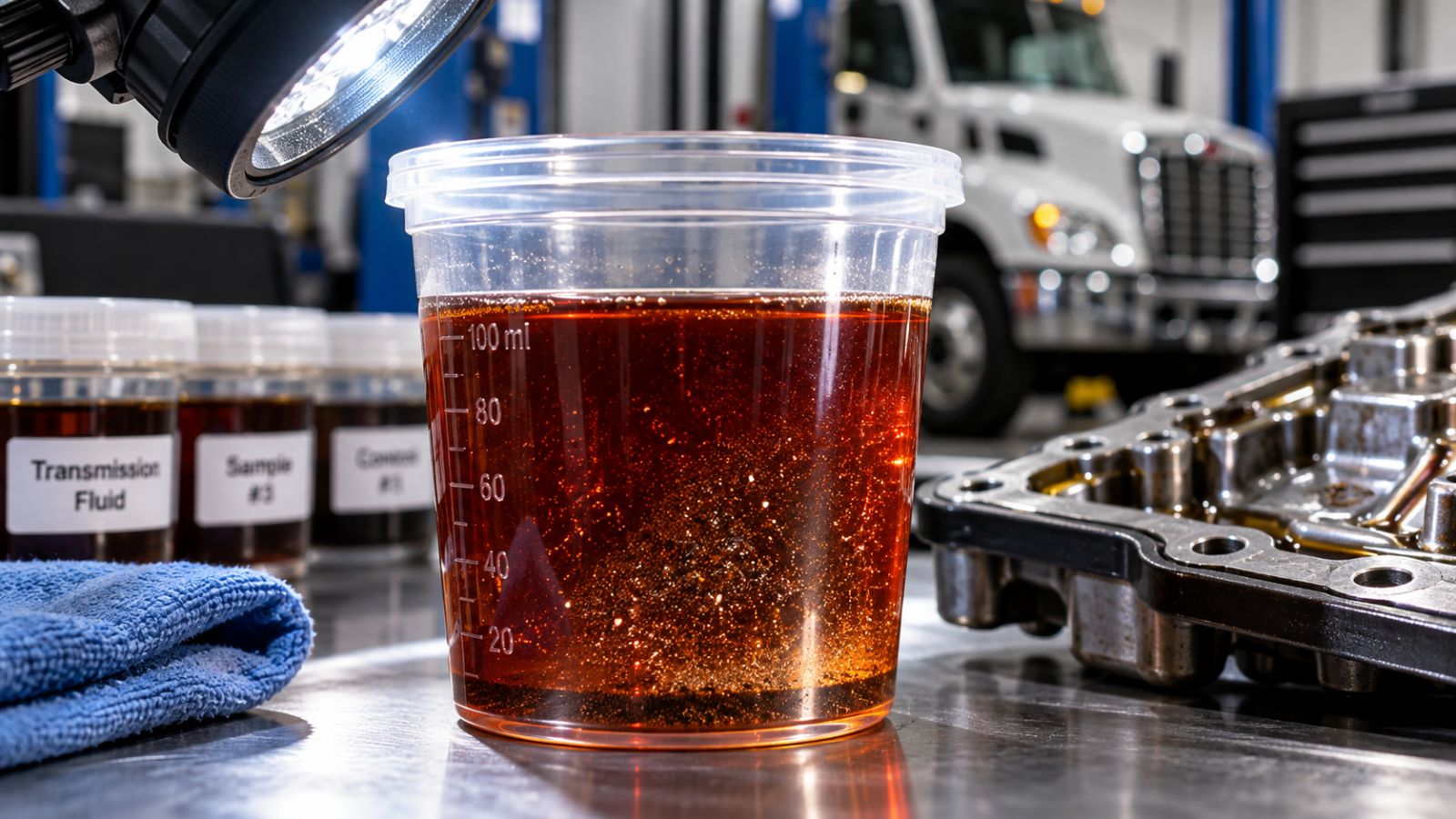
Ford F-250 and F-350 Super Duty trucks towing heavy equipment trailers across Central Florida experience severe torque converter clutch delamination and rear differential pinion bearing pitting. High ambient humidity combined with thermal overload along County Road 484 forces transmission fluids past thermal breakdown points, causing slip codes and catastrophic drivetrain lockup.
Heavy towing along the sandy corridors of County Road 484 and CR 25 causes severe drivetrain shear on local Ford F-Series work trucks. Excessive heat destroys fluid thickness in the 10R140 transmission and Sterling 10. Once the oil thins out, it stops lubricating critical parts properly. The back end sags hard when you floor it while hauling. This continuous friction scorches clutch packs, pits roller bearings, and causes total power transfer loss.
Super Duty System Tolerances
We track critical failure thresholds to isolate Ford truck drivetrain stress before structural components shear under heavy payloads.
| Stress Factor | Field Observed Metric |
| Primary Symptom | 3-4 shift shudder under load, whining rear axle at 45-60 MPH, metallic shimmer in fluid |
| Target Component | Torque Converter Friction Material & Rear Pinion Outer Bearing (Ford 10R140 / Sterling 10.5) |
| Specialized Tooling | PicoScope 4425A Vibration Analyzer, Fluke 88V Digital Multimeter, Snap-on Thermal Camera |
| Local/Environmental Stressor | Heavy GCWR towing, 95°F ambient heat-soak, fine quartz sand ingress at axle seals |
| High-Risk Run / Profile | Commercial utility fleets, horse trailer haulers, 6.7L PowerStroke trucks exceeding 75,000 miles |
Mechanical Physics Behind Heavy Towing Drivetrain Failure
Under standard unloaded operation, the torque converter lockup clutch engages via hydraulic pressure, mechanical coupling engine output directly to the transmission input shaft with zero slip. Fluid temperatures remain stabilized around 195°F through the auxiliary air-to-liquid fluid cooler.
Towing heavy commercial loads along CR 484 past Belleview quarry exits alters fluid dynamics. Thermal heat-soaking elevates transmission sump temperatures past 235°F, causing line pressure drops inside the valve body control solenoids.
At elevated temperatures, the cellulose-based friction material on the converter lockup disk loses structural integrity and delaminates. Dissolved friction particles circulate through the fluid passages, scoring valve body bores and clogging internal filter screens. Simultaneously, high radial loads from heavy tongue weights force pinion bearings out of alignment, causing microscopic metal pitting along the bearing races.
Advanced Diagnostic Protocols for Ford Drivetrain Reliability
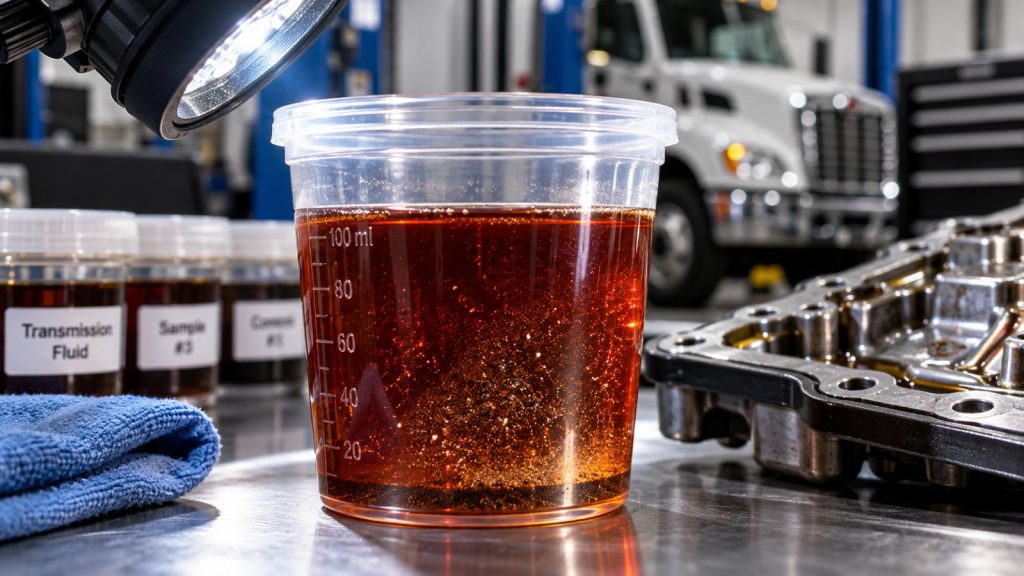
Detecting mechanical drivetrain fatigue before it shears a pinion gear or destroys internal planetary gearsets requires a structured diagnostic protocol.
- Step 1: Fluid Contamination Analysis. Pull 50cc samples from both the transmission pan and rear differential housing. Examine fluid clarity using a localized light source to detect metallic shimmer, suspended friction material, or thermal oxidation odors.
- Step 2: Dynamic Line Pressure Verification. Install a 500 PSI transducer into the main line pressure test port on the 10R140 transmission housing. Command pressure increases using factory diagnostic software while monitoring voltage drop across control solenoid circuits under load.
- Step 3: NVH Vibration Analysis. Attach piezoelectric accelerometers to the rear differential housing and transmission tailhousing. Perform a road test at 50 MPH under 80% throttle engine load to map second-order order shaft speeds against known bearing failure frequencies.
- Step 4: Pinion Preload and Backlash Inspection. Drain the rear differential cover and measure ring-to-pinion backlash using a magnetic dial indicator. Specified tolerances must fall strictly within 0.008 to 0.012 inches, with rotational torque-to-rotate values verified against factory preload specs.
Shop Note: Never ignore a slight shudder during the 3-4 shift under heavy towing load. That vibration is friction material shredding off the torque converter disk into your fluid passages.
Prevent Drivetrain Shearing at Our Belleview Repair Shop
Ignoring driveline vibration or thermal fluid degradation on your Ford F-250 or F-350 leads directly to planetary gear failure and rear axle lockup. Continuing to tow with burnt transmission fluid destroys internal clutches, turning a simple maintenance repair into a full driveline replacement. Skip corporate fleet delays and dealer backlogs by bringing your vehicle directly to local transmission specialists.
Book your comprehensive Ford truck inspection directly with Gregg Smith Automotive, located at 6202 SE Abshier Blvd, Belleview, FL 34420.
Frequently Asked Questions
Can towing in overdrive cause Ford transmission overheating?
Yes. Towing heavy loads in top overdrive gears causes frequent torque converter lockup cycling and excessive gear hunt. Locking out top overdrive ratios stabilizes fluid line pressures, lowers sump operating temperatures, and reduces internal clutch disk slippage under load.
Does rear differential noise mean the entire Ford axle assembly is destroyed?
No. Whining noises during acceleration typically indicate worn pinion or carrier bearings rather than destroyed ring and pinion gears. Catching bearing pitting early allows replacement of internal bearings and seals before gear teeth suffer catastrophic scoring.
Will heavy towing degrade Ford transmission fluid faster than normal driving?
Yes. Operating a loaded truck in hot climates breaks down fluid additives rapidly through extreme thermal shear. Heat-soaking accelerates oxidation, turning protective hydraulic fluid into a corrosive sludge that starves internal valves of pressure.
Is dynamic line pressure testing necessary during a Ford truck inspection?
Yes. Electronic pressure transducers catch weak control solenoids and internal hydraulic leaks before clutch packs burn out. Monitoring line pressure under actual engine load reveals internal seal bypassing that standard visual checks miss.
Can a worn torque converter damage the entire Ford 10-speed transmission?
Yes. Delaminated converter friction material floats directly into the transmission fluid stream, plugging fine mesh screens and scoring sensitive valve body bores. Starved of proper lubrication, planetary gearsets overheat and gall internal thrust washers.